




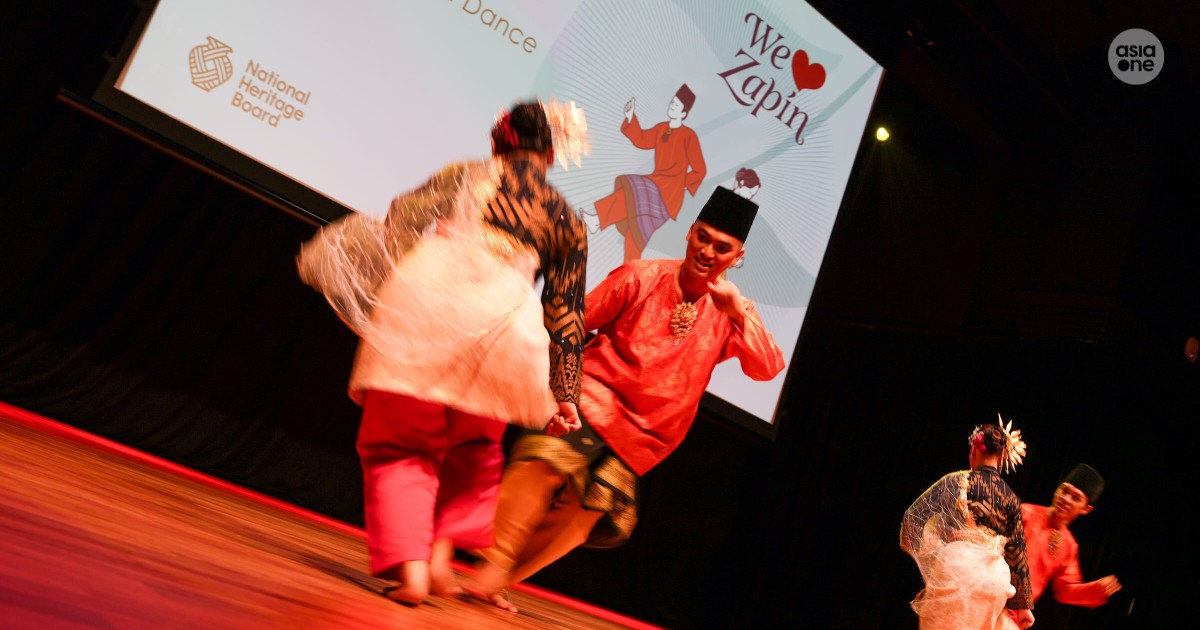


Singapore will be nominating zapin, a traditional performing art, for inscription on the UNESCO Representative List of the Intangible Cultural Heritage (ICH) of Humanity alongside Brunei, Indonesia and Malaysia.
The four countries, together with their thriving zapin-practising communities, will submit their nomination in March 2027, the National Heritage Board (NHB) announced on Thursday (Sept 24).
“This multinational nomination represents an opportunity for all four countries to strengthen cultural ties and enhance international collaboration in the promotion of zapin and its practitioners,” NHB said.
This also marks Singapore’s fourth nomination, as well as the first time our nation is jointly nominating a performing art form to the UNESCO Representative List.
An evolving dance
Zapin originated from a dance tradition in Yemen, and was introduced to the Malay Archipelago in the 14th century.
Although zapin dancers were predominantly male in the past, it is no longer uncommon to see both male and female zapin dancers take the stage and perform together today.
According to NHB, zapin is an “inseparable union of music, song and dance” that was only performed during significant or ceremonial occasions such as weddings in the past.
Today, it has grown in popularity in Singapore.
Zapin‘s elegant, upbeat and expressive dance movements are usually accompanied by lively melodies, which are performed using traditional musical instruments.
It also incorporates dance moves inspired by animals and nature, such as the keluang (fruit bat), batang (tree trunk) and pusau (swirl).
“Zapin Asyik was brought [to Singapore] by Mdm Liau Ah Choon, an Indonesian lady who shared this dance item to Singaporeans in early 1957,” shared Som Said, founder of Sri Warisan Som Said Performing Arts — Singapore’s first fully professional Malay dance company.
Singapore has also put its own spin on the traditional dance with local variants.
Zapin Telok Blangah is choreographed by Said to Zubir Abdullah’s distinctive composition, conveying the area’s port history while Zapin Sungei Kallang, created by Osman Abdul Hamid, commemorates his home near the river as well as the community living there in the 1970s.
[[nid:734334]]
Elevate the dance, reach more hearts
When asked how he felt about the news of zapin being nominated for the UNESCO Representative List, Hamid, who is the founder of Era Dance Theatre, shared his excitement.
“I’m more than happy because zapin has been part of my life, in my creation and artistic work throughout the years,” said the Steward of Intangible Cultural Heritage.
The inscription of the dance would be wonderful as it would elevate the dance and help with the preservation of the art form, the 64-year-old said.
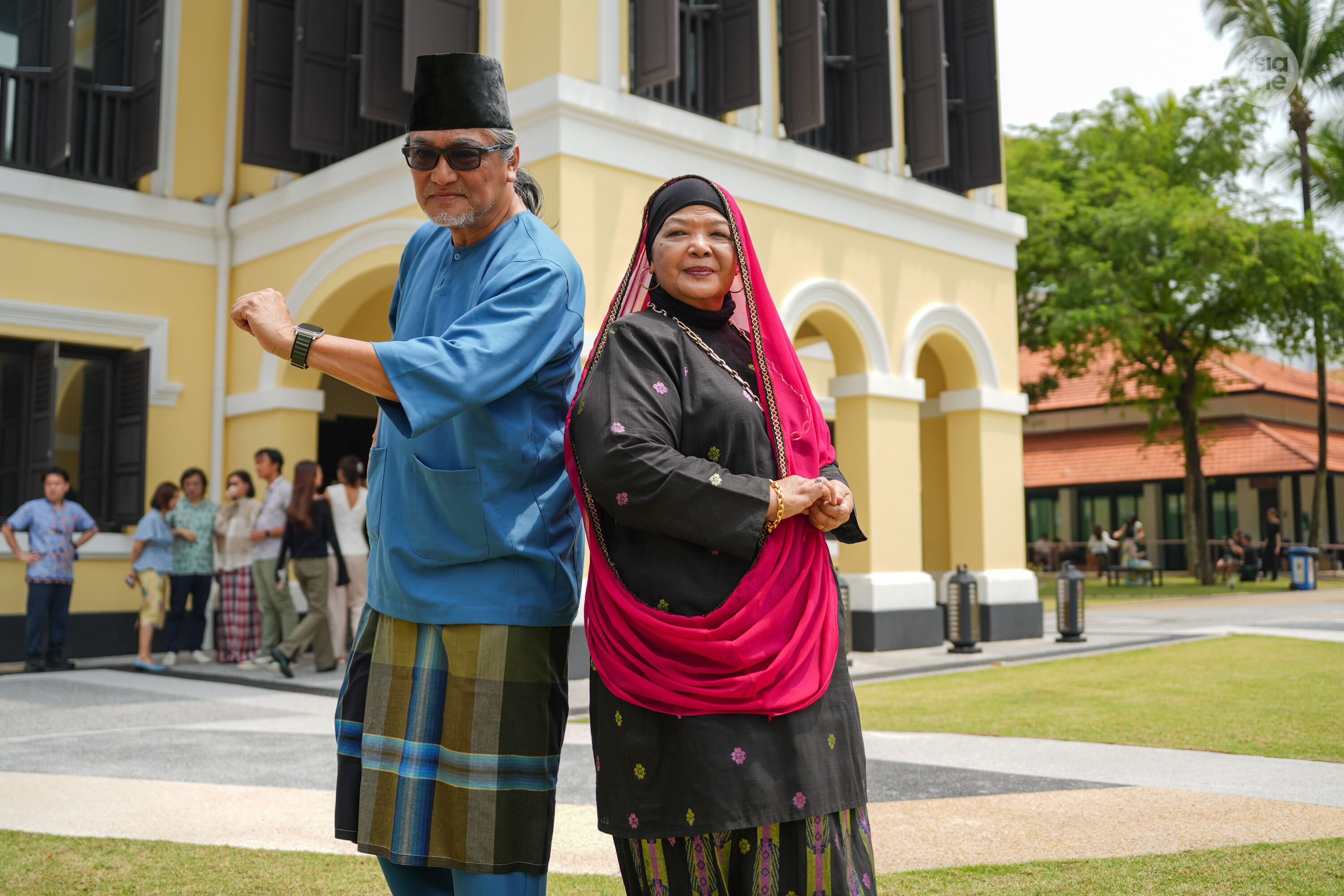

Said, who is also a recipient of the Cultural Medallion, shared that the inscription would promote a greater appreciation for the dance.
“With this endorsement, I think we will reach out to more people, not only in Singapore but [throughout] the region,” she said.
She wants more people to learn about the dance.
“We want to reach out to housewives, seniors and everybody. Zapin is for everybody,” the 75-year-old elaborated.
Zapin is not just for Malays, but for everyone, non-Malays, young and old, “all are invited”, she said.
“We embrace everybody, whether they know [how to] dance or not.”
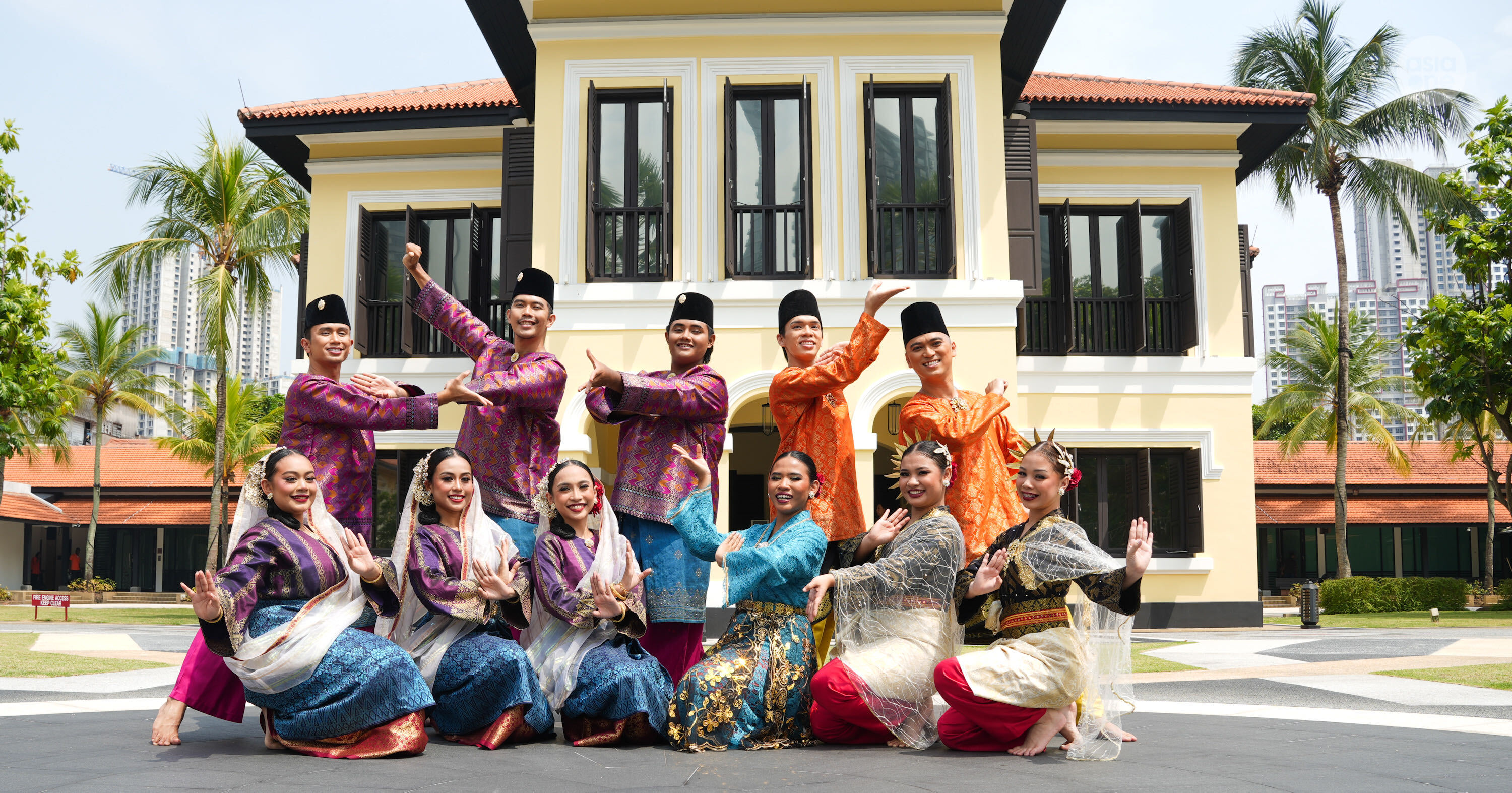

On the other hand, Hamid also stressed the importance of learning more about the dance to preserve the Malay heritage.
“We have to understand ourselves and appreciate the value of our traditional arts and culture because it is a reflection of our Malay identity,” he told AsiaOne.
[[nid:708300]]
laili.abdeen@asiaone.com
Read the full article here