






Given the tight time constraints of the Academy Awards telecast, it is perhaps inevitable that the solemn In Memoriam segment of the Oscars will fail to include every notable entertainment industry figure who has died over the last year. And so it was this year, with some viewers, and in one case, seemingly a whole nation, upset over the omissions made during the telecast.
This year, the telecast omitted the likes of James Van Der Beek, Eric Dane, Malcolm Jamal-Warner and Tom Noonan, and fans on social media were quick to point that out.
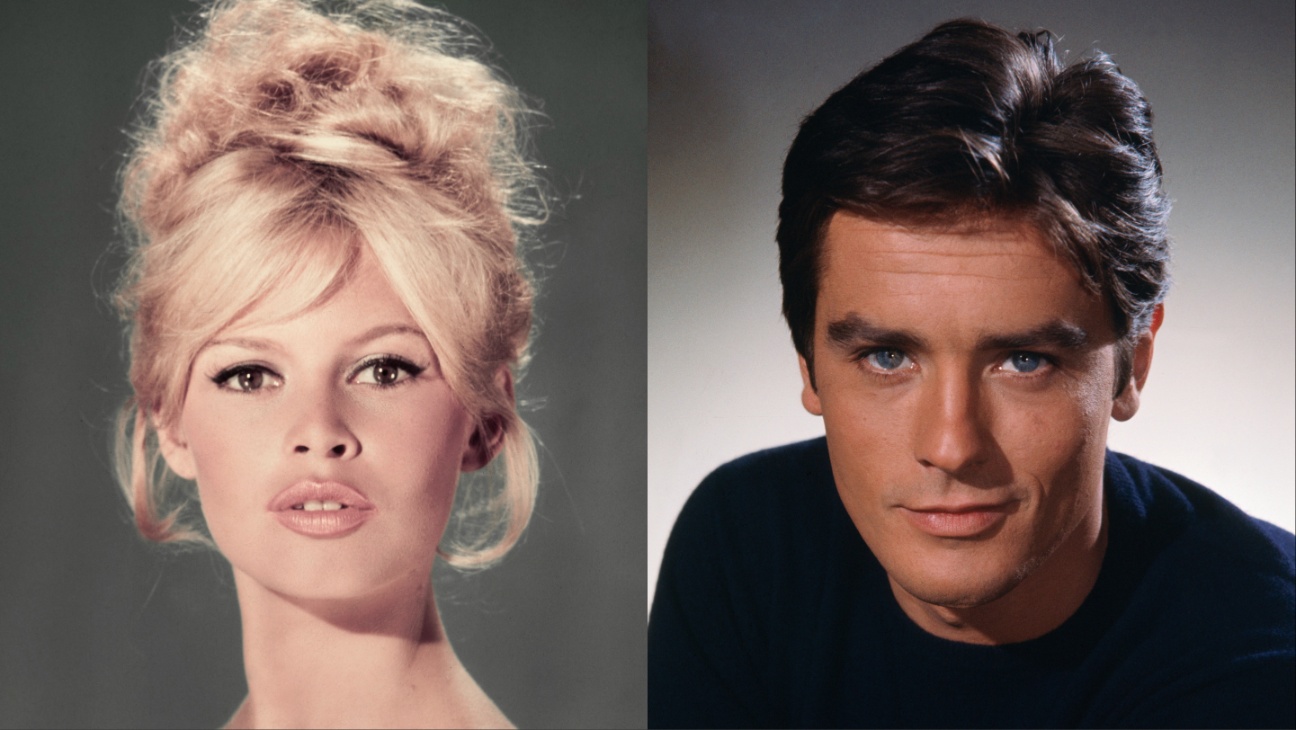
In France, the glaring absence of film icon Brigitte Bardot has caused much debate in mainstream media and on social media. Bardot, who died in December at 91, was undoubtedly a global star due to her appearance in classic films like And God Created Woman, The Truth and Contempt. But after her film career abruptly ended in the mid 1970s, Bardot became notorious in her home country for her extreme right-wing politics.
Bardot’s absence saw many in France recall the omission of Alain Delon at the 2025 Oscars. The Leopard and Le Samouraï actor, who was often dubbed “the male Brigitte Bardot,” was also a hugely influential film and pop culture figure in the 1960s and 1970s, and also like Bardot became better known in his later years for his extremist politics.
To be clear, no reasons have been given for Bardot’s absence, and she did feature on The Academy’s website, which contained a much more comprehensive In Memoriam section.
Still, the majority of the French entertainment media seemed shocked by Bardot’s exclusion, given her outsized film legacy, but also reluctant to touch on Bardot’s politics as a possible reason why she didn’t make the cut for the telecast.
Paris Match described Bardot’s absence as “unforgivable,” and asked, “How could such a cinematic icon have been overlooked?” Talking up Bardot’s legacy, the magazine wrote that the actress “not only left her mark on film history with her movies but also sparked a sexual revolution in the United States in the 1950s with her role in Roger Vadim’s And God Created Woman.”
Circling back to Delon, Paris Match wrote that the actor’s “absence was already a glaring omission.” “How could the Oscars ignore the career of the immortal Samurai? Now it’s clear: the Academy still doesn’t seem to have gotten over the fact that France reigned supreme in cinema during the 1950s and 60s. Brigitte Bardot didn’t chase after awards and accolades and left the film world abruptly, well into her 38s. Perhaps that’s also what the Oscars are “holding against” her. Contempt, certainly.”
In the French edition of Closer, the magazine wrote that Bardot’s “absence quickly drew reactions from film industry observers,” although the magazine does not mention Bardot’s politics or speculate as to reasons why the actress was ignored. Like other publications, Closer felt the inclusion of international icons such as Tarr and Cardinale made Bardot’s omission “much harder to understand.” “This isn’t the first time the Academy has been criticized for a glaring oversight. Last year, Alain Delon’s absence caused a stir among many film enthusiasts,” wrote Closer. “Many wondered how the legendary actor’s career in “Le Samouraï” could have been ignored. As for Brigitte Bardot, the surprise is all the greater given her immense influence on world cinema.”
Closer continued, “this omission raises questions about the Academy’s sometimes selective memory” and “a legend of world cinema whom the Oscars seem to have overlooked.”
“We will never forget them. And yet we will,” is how RTL’s story on Bardot snub began. The publication also referenced the omissions of Delon and also Triangle of Sadness star Charlbi Dean in 2023, and was more interested in transparency in how people are selected for the In Memorium segment. “How is this sequence handled? The Oscars rules make no mention of this emotional moment.”
Premiere magazine wrote that Bardot’s absence was “regrettable” and the “imperfect” selection process for the In Memoriam segment was likely to be a “source of debate among film enthusiasts.”
The news website 20 Minutes also flagged the criticism within France over omitting Bardot, but conceded that the actress was “controversial.” The publication felt Bardot’s cultural influence as “a symbol of the popular New Wave of the 1950s and 1960s” should have been enough to merit her inclusion, whereas Delon’s absence last year was “perhaps justified by his relatively short Hollywood career. The actor only made three films in the United States in the mid-1960s.”
Though French entertainment and lifestyle media seemed reluctant to speculate on the reasons for Bardot and Delon’s In Memoriam omissions, or even mention their extreme political views, over on social media and hard news sites, there was a consensus emerging that it was the politics of both cinema icons that perhaps played against them.
Euronews was among the only publications that highlighted Bardot’s extreme politics as a possible reason why the actress didn’t make the Oscars telecast, and also referenced that a more front and center tribute to Bardot at this year’s Cesar awards was met with boos from the crowd and shouts of “racist!” “For some, Bardot’s place in history is tainted, however, by her far-right political views, including her close affiliation with members of France’s National Front party (renamed to National Rally), racist comments, and anti-immigration stance,” writes Euronews. “She was convicted five times in French courts for inciting racial hatred. In her book Mon BBcédaire, released just months before her death, Bardot wrote that right-wing politicians were the “only urgent remedy to the agony of France.”
Bardot was among the biggest celebrity supporters of the National Front, actively campaigning for far-right candidates including Catherine Megret and Marine Le Pen, and frequently speaking out against the “Islamisation” of France. In her 2003 book, A Cry in the Silence, she railed against Muslims, homosexuals (comparing them to pedophiles), drug abusers, female politicians, illegal immigrants, and the “professionally” unemployed.
Le Figaro, a center-right publication and one of France’s newspapers of record, was another to broach politics as to why Bardot was snubbed. The newspaper wrote that, “Our American cousins missed an opportunity to correct the rudeness of the segment of the César audience that booed images of Brigitte Bardot” but instead ignored the actress. “How, then, to explain Brigitte Bardot’s absence? Is it because she left film sets decades before her death, at the height of her fame? Or because of her political stances? The Academy has clearly forgotten the phenomenal success of And God Created Woman (1956), a whirlwind of freedom that resonated even in the United States. Last year, it didn’t see fit to honor the late Alain Delon.”
DepressedBergman, the popular classic film account on X, made the politics link more explicit in considering reasons for the omissions. “This year’s Oscar “In Memoriam” tribute video didn’t include Brigitte Bardot. Last year, they didn’t mention Alain Delon. This is embarrassing to say the least. I assume they were excluded because of their politics, but the job of the Academy is to remember them for their contributions to Cinema. Their political opinions shouldn’t come into consideration here.”
DepressedBergman added, “I too don’t agree with their politics, but I can still celebrate them for their performances on screen. I hope this trend doesn’t continue.”
Read the full article here