



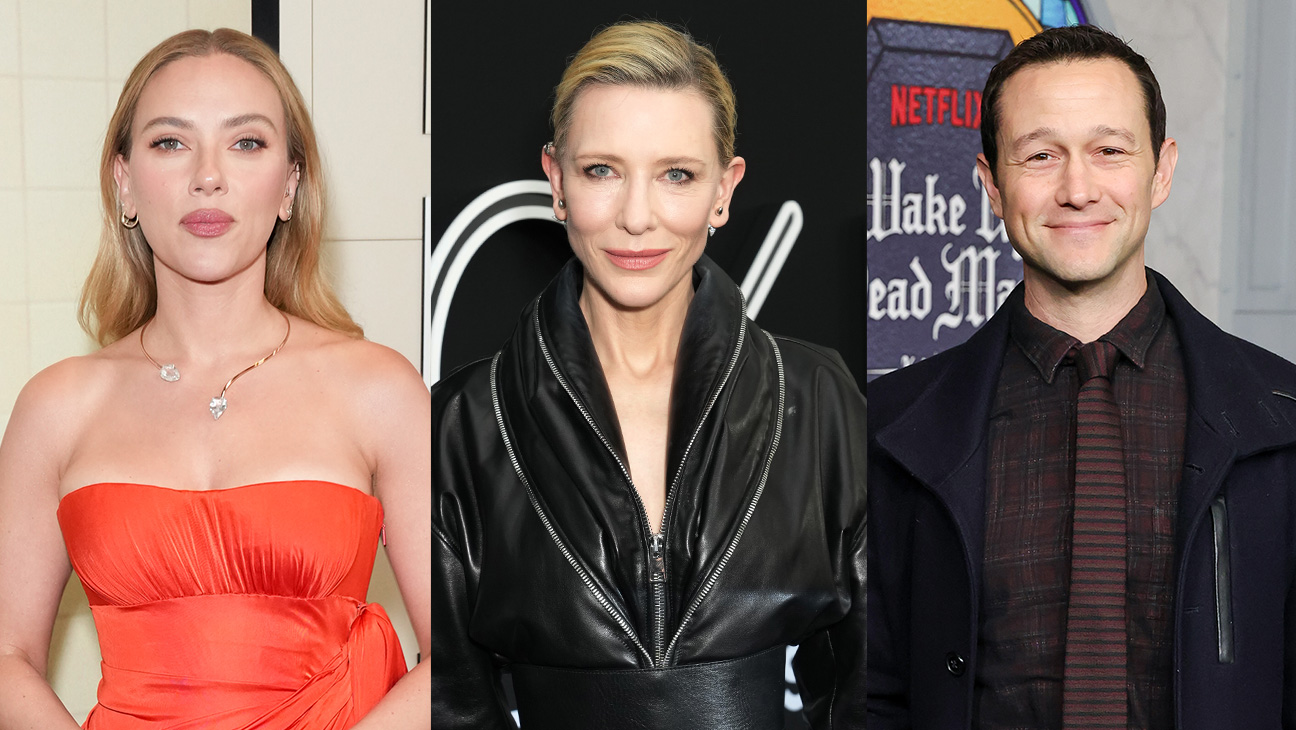


Celebrities including Scarlett Johansson, Cate Blanchett and Joseph Gordon-Levitt are backing a campaign blasting tech companies for training generative AI tools on copyrighted works without express permission.
The “Stealing Isn’t Innovation” campaign from the Human Artistry Campaign, which launches Thursday, protests tech companies’ alleged mass theft of human-created works in order to produce tools that could theoretically compete with real creatives.
On Thursday, the Human Artistry Campaign debuted the awareness campaign and revealed more than 700 supporters behind it, while The New York Times ran an ad for the push.
“Big Tech is trying to change the law so they can keep stealing American artistry to build their AI businesses – without authorization and without paying the people who did the work. That is wrong; it’s un-American, and it’s theft on a grand scale,” one of the campaign’s message proclaims. “The following creators all agree. Do you? If so, come join us.”
In addition to Johansson, Blanchett and Gordon-Levitt, industry figures David Lowery, Fran Drescher, Jennifer Hudson, Kristen Bell, Michele Mulroney, Olivia Munn, Sean Astin and Vince Gilligan all signed their names as backing the campaign. Musicians such as Cyndi Lauper, LeAnn Rimes, Martina McBride and Questlove and the groups MGMT, One Republic, R.E.M. and OK Go have also given their support, as did the authors George Saunders, Jodi Picoult, Roxane Gay and Jonathan Franzen.
The Human Artistry Campaign is composed of a mix of unions representing creators, artists’ rights groups and trade associations like the Writers Guild of America, the Recording Industry Association of America, The NewsGuild, the NFL Players Association and SAG-AFTRA.
The organization encourages tech companies to license works and also to allow creators to opt out of their projects being subject to generative AI training.
“Real innovation comes from the human motivation to change our lives. It moves opportunity forward while driving economic growth and creating jobs,” Human Artistry Campaign senior advisor Dr. Moiya McTier said in a statement. “But AI companies are endangering artists’ careers while exploiting their practiced craft, using human art and other creative works without authorization to amass billions in corporate earnings.”
McTier added, “America wins when technology companies and creators collaborate to make the highest quality consumer and enterprise digital products and tools. Solutions like licensing offer a path to a mutually beneficial outcome for all.”
So far, only a couple Hollywood companies have dipped their toes into sanctioned licensing for generative AI tools. The biggest to date was Disney, which in December inked a three-year deal with OpenAI to bring some of its iconic characters to the video-generation tool Sora.
But the AI company raised eyebrows in Hollywood just a few months earlier, when upon release Sora 2.0 produced characters from titles including Bob’s Burgers, Pokémon, Grand Theft Auto and SpongeBob Squarepants in its outputs. At the time, the company’s position was that rights holders could contact the firm to opt out and have their works excluded from the video generator. A few days later, the company walked back that position.
Read the full article here