




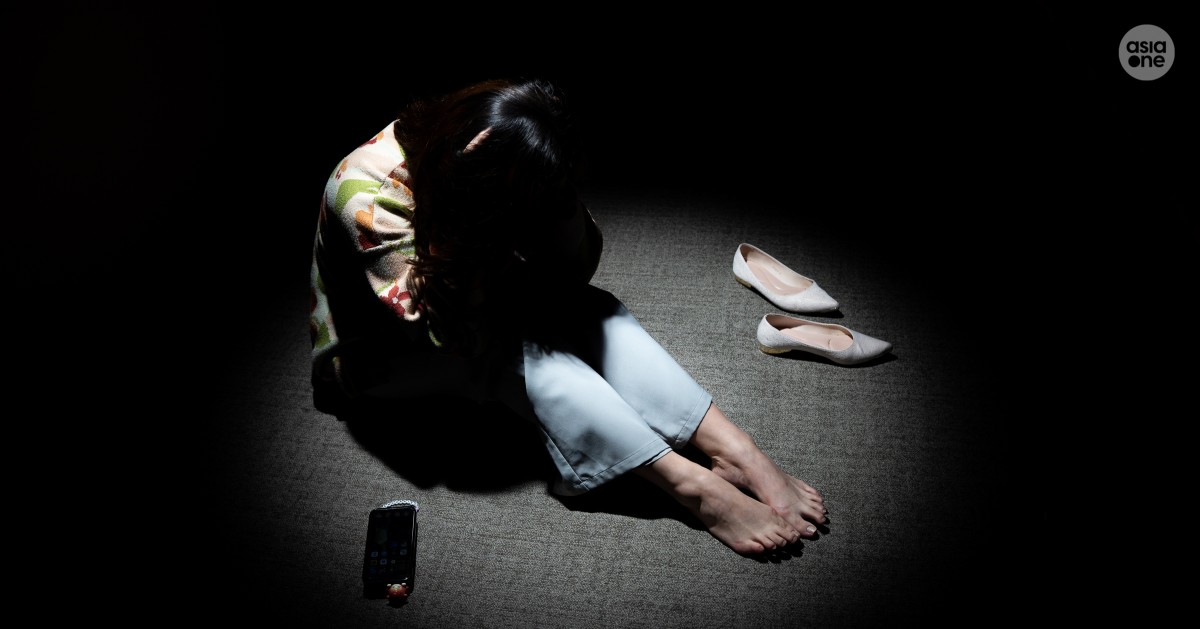


Sarah’s (not her real name) relationship with food has been complicated since adolescence.
While she used to “live to eat”, even breaking into dance when given food she likes when she was a kid, social pressures during her teenage years pushed her into becoming hyperaware of her food intake as she wished to maintain an “ideal” physique.
Speaking to AsiaOne about her tumultuous relationship with food and body image, the 22-year-old student said that she began associating being smaller-sized with looking better due to remarks from family and relatives when she lost weight during puberty.
These comments included how she was “skinny”, “slim” and “becoming prettier” — a stark contrast to the endearing but at times critical remarks Sarah received as a chubby kid.
“While these comments were usually intended as compliments, they reinforced the idea that my attractiveness was tied to my size,” she said, adding that she also began to joke about “gaining weight and becoming fat” after heavy meals.
Sarah also shared that social media played a part in making her think “skinny is beautiful”.
Over time, she started to believe that maintaining a certain appearance was something she needed to feel confident and desirable.
“Before I knew it, I had developed a fear of food and started struggling with body image and my relationship with food,” she said.
This series of events led to her developing anorexia nervosa, an eating disorder which causes patients to develop a fear of gaining weight and a distorted body image.
The disorder also prevents people from understanding the seriousness of their condition, often leading to them skipping multiple meals and having a significantly low body weight as a result.
It seems that Sarah’s condition is not uncommon among young Singaporeans.
According to Sarah’s dietician Grace Yanti, young people are growing up in an environment which pressures them to keep improving and meeting certain standards.
Constantly comparing themselves with others can also reinforce feelings of insecurity or the belief that they are somehow falling short.
“As technology, including AI, continues to evolve, young people may also encounter more unrealistic images or highly personalised content that affects the way they see food, health and their bodies,” she told AsiaOne.
Grace pointed out that online trends impact youths’ idea of self-worth significantly and often normalise extreme behaviours.
She cited exaggerated food challenges or mukbangs (eating shows) as well as trends that promote thinness, certain body ideals or restrictive eating habits as culprits.
Eating disorders, especially in youths, often begin in ways that seem harmless, she adds.
What starts as eating “a little healthier” or being more disciplined can at times morph into something they feel trapped by, she explained.
Missing out on social events, family gatherings
The senior dietician at Mouth Elizabeth Hospital has also seen many patients avoiding meals with others, saying no to social activities, or missing opportunities to experience adolescent life to the fullest due to their eating disorders.
Sarah, who started seeing Grace in 2024 and is still doing so, was one of these patients.
The 22-year-old told AsiaOne that her eating disorder took a huge toll on her social life and friendships.
“I was losing more than weight,” she said.
Although eating is often a social activity — be it lunch with friends, celebrations or holidays with family — Sarah’s anorexia made her afraid of eating out as well as eating food that she usually did not.
This meant that having meals with her loved ones was pretty much off the table.
“I would choose to miss out on gatherings, come up with an excuse to not eat while at events, or pack my own food for celebrations,” she recounted.
Even if she did muster up the courage to order something while dining out, Sarah said that she would be overly fixated on what she was eating and how many calories it contained.
Her anxiety regarding the meal she just had would make her unable to engage in conversations or even partake in other activities throughout the day.
As a result, Sarah began to withdraw from those close to her.
Eating disorder made her feel “suffocated”
Despite her aversion to celebrations, Sarah’s wakeup call came on her birthday.
“It was devastating when I could not enjoy a day that was meant to be celebrated,” she told us.
“It was the first time I consciously acknowledged that living life in this way was draining and that I wanted to find joy in life again.”
Sarah recounted that she spent the whole day worrying about her birthday meal. And during the meal itself, she was agonising over every bite and beating herself up about it.
And when her friends sent her desserts that evening, the 22-year-old broke down and refused to eat any of them.
“I felt helpless. I could not understand why I was behaving the way I did and felt so miserable,” she said, adding that she felt “suffocated” by her poor relationship with food.
After she confided in her family about her struggles, Sarah and her parents decided to get her professional help in 2024.
But the 22-year-old’s decision did not stem from a desire to recover as it meant gaining weight, which she described as “one of the last things [she] wanted to do”.
However, Sarah’s frustration with the way she was living outweighed her fear of weight gain.
Her recovery journey began when her doctor handed her an ultimatum: gain weight or be admitted to the hospital.
With the latter being something her family vehemently objected to, Sarah was put under strict supervision for all her meals, and her physical activity was tightly monitored.
She had to completely give up control of her diet for recovery, which was extremely difficult and put a strain on her relationships with family.
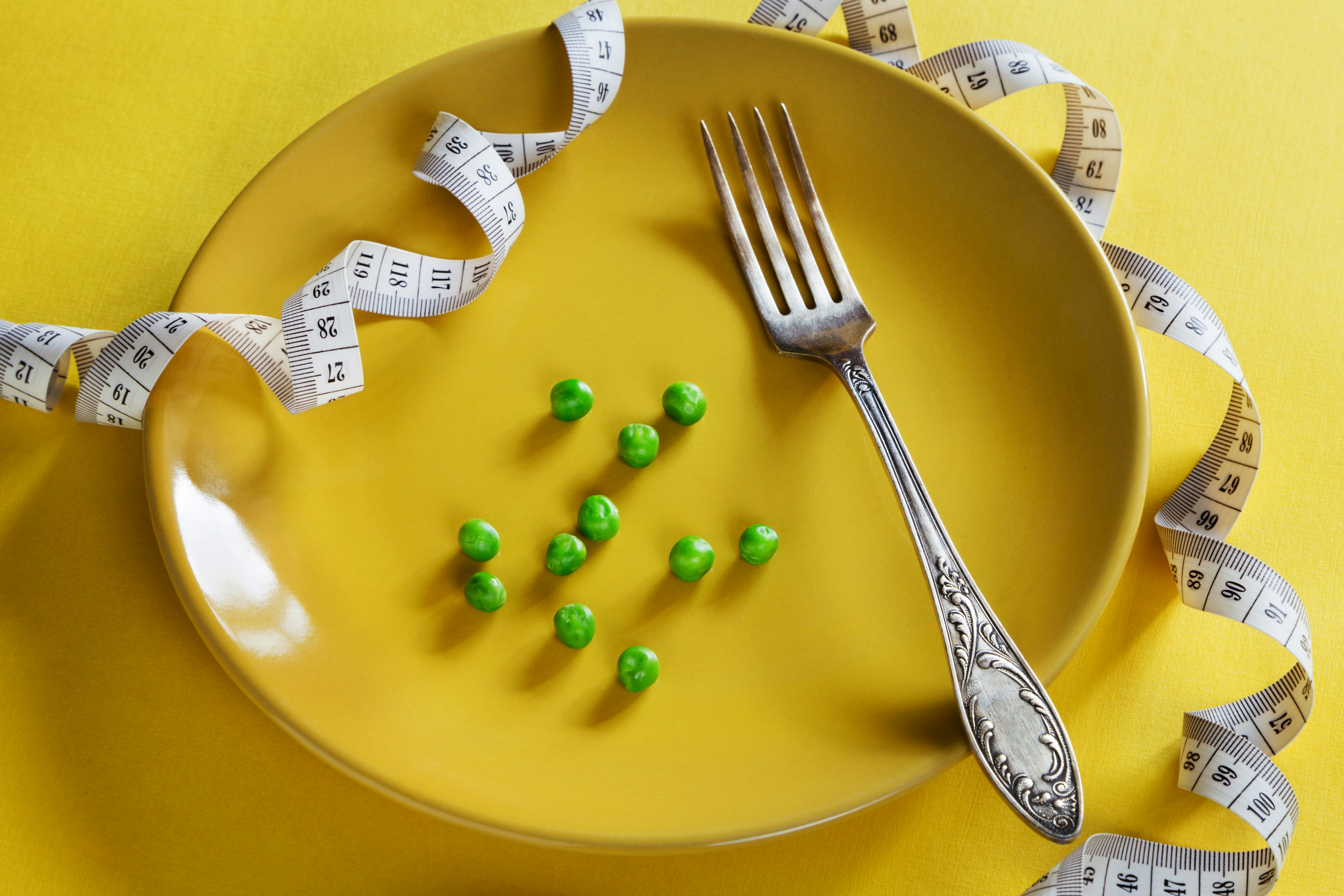

Sarah admitted that during the early days of recovery, she would lie to loved ones about her food intake, throw food away, cut corners with her meal plan and avoid taking her nutritional supplement — all to avoid eating and gaining weight.
The 22-year-old also recalls lying about how much she exercised, exceeding her daily limits to “burn off” anything she ate.
“This did detrimental damage to the trust my family had in me and made my relationship with them extremely tense…I got frustrated whenever they tried helping me and enforcing my recovery plan,” she told us.
But in hindsight, her family taking control over her meals was extremely helpful to Sarah’s recovery, she said.
“If it was left up to me, I probably would have continued deceiving my way through my meal plan and my activity levels, and it would have spiraled even further,” she explained.
Sarah added that as she ate more and gained some weight, she also gained more mental clarity and started seeing the seriousness of her situation.
“I’ve [come to] appreciate those around me who remained firm despite my requests for compromises in my meal plan and activity restrictions, especially during the initial part of my recovery,” she said.
Small victories important in recovery
According to Sarah’s dietician, “small victories” play a big role in eating disorder recovery and are different for each patient.
“For some, it may be eating food they were previously afraid of, while for others it might mean being able to share meals with family and friends again or taking part in social activities they had been avoiding,” said Grace.
“With time and the right support, young people can reconnect with themselves and the parts of life that matter to them.”
She also stressed the importance of addressing misconceptions regarding eating disorders.
“People tend to focus on what they can see, such as food, weight, or appearance, while missing what the young person is actually struggling with,” she pointed out.
While some early signs of an eating disorder — such as being disciplined or having strong self-control — can be mistaken as positive traits, these behaviours may be driven by anxiety, insecurity, or a need for control, she explained.
Grace also stressed that eating disorder recovery is not simply about “eating normally again”, but involves helping people rebuild their trust in food, their bodies and themselves.
And Sarah agrees with this sentiment.
When asked what message she would like to give to others who were in a similar situation to her, she said: “I would tell them that there is truly so much more to life beyond your reflection, how others perceive you or what you eat in a day.”
The 22-year-old said that she also wants to encourage people to appreciate and love their bodies.
“Bodies are naturally unique — there is no “correct” or “ideal” way to look, and health can look different for each person,” she stressed.
“Moreover, you never truly know the internal battles others are fighting behind closed doors, so comparing ourselves to them only sets us up against unrealistic and unfair standards.”
Sarah also encouraged young people struggling with disordered eating to speak to someone they can trust as it can create a safe space with empathy, understanding, and support.
“Recovery is not something you have to face by yourself. While it can feel frightening to reach out for help and embark on this journey, it is one of the bravest things you can do,” she said.
“There is a whole life worth recovering for waiting on the other side of it, far more carefree and fulfilling than you could imagine.”
[[nid:737647]]
bhavya.rawat@asiaone.com
No part of this article can be reproduced without permission from AsiaOne.
Read the full article here