






In a typical museum, artifacts and artworks are kept behind glass cases to preserve and protect them.
But things are a little different at the Museum of Food, where all exhibits are openly displayed.
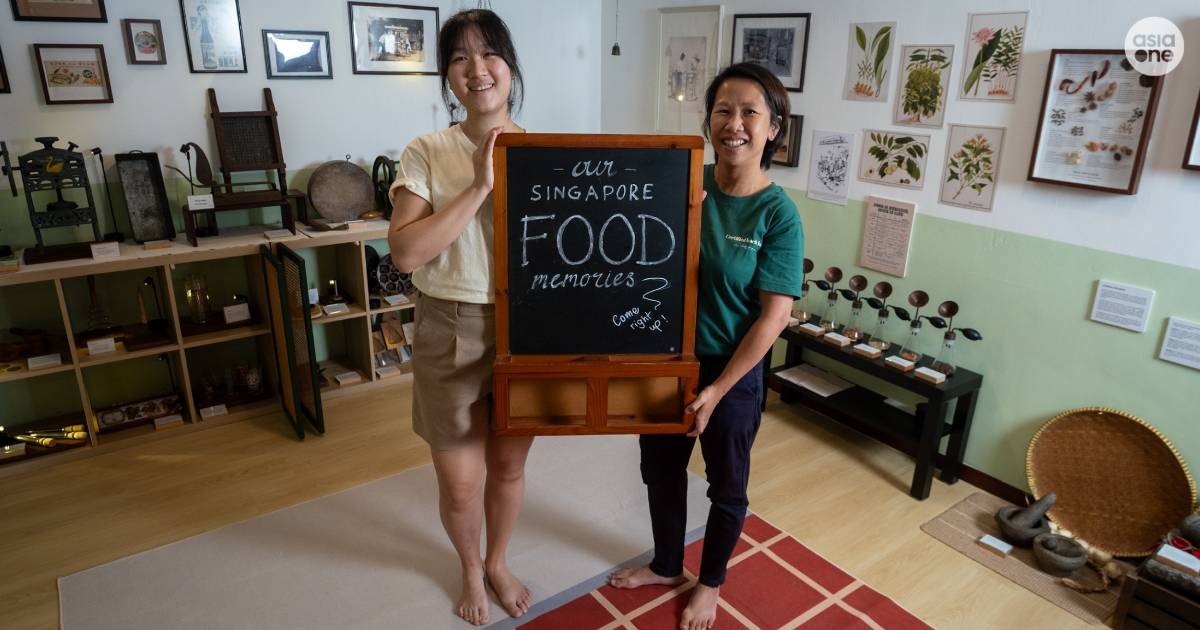
“My experience with museums is that there are certain rules to follow, such as no food and no running [around]. But the difference with our museum is that guests really get to be themselves,” co-founder Emily Yeo, 39, told AsiaOne in an interview on April 17.
“They get to ask questions and are encouraged to touch everything, keep moving, and stay engaged.”
Emily founded the museum with Yeo Min, 30, after the pair bonded over their desire to keep Singapore’s food heritage alive. They currently run the museum full-time while working on personal projects on the side.
Located in a shophouse along Joo Chiat Road, the two-storey space is divided into several areas — a workshop, gift store, and book corner on the first floor, and a display area for exhibits on the second.
The Museum of Food has no fixed operating hours. Instead, those interested in visiting can do so by appointment during open houses or on days when workshops are conducted.
The first open house will take place on May 3. Subsequent ones will happen every month, with each ticket going for around $10.
Workshops last one to two hours and average $50 per person. Group rates are also available.
“The whole point of being a food museum of living heritage is that people need to come and have something to taste, do, or learn. It’s not your usual museum where you just go in and walk around,” said Min.
From authors to museum owners
Emily and Min, who are both authors, got to know each other through a shared publisher in late 2023.
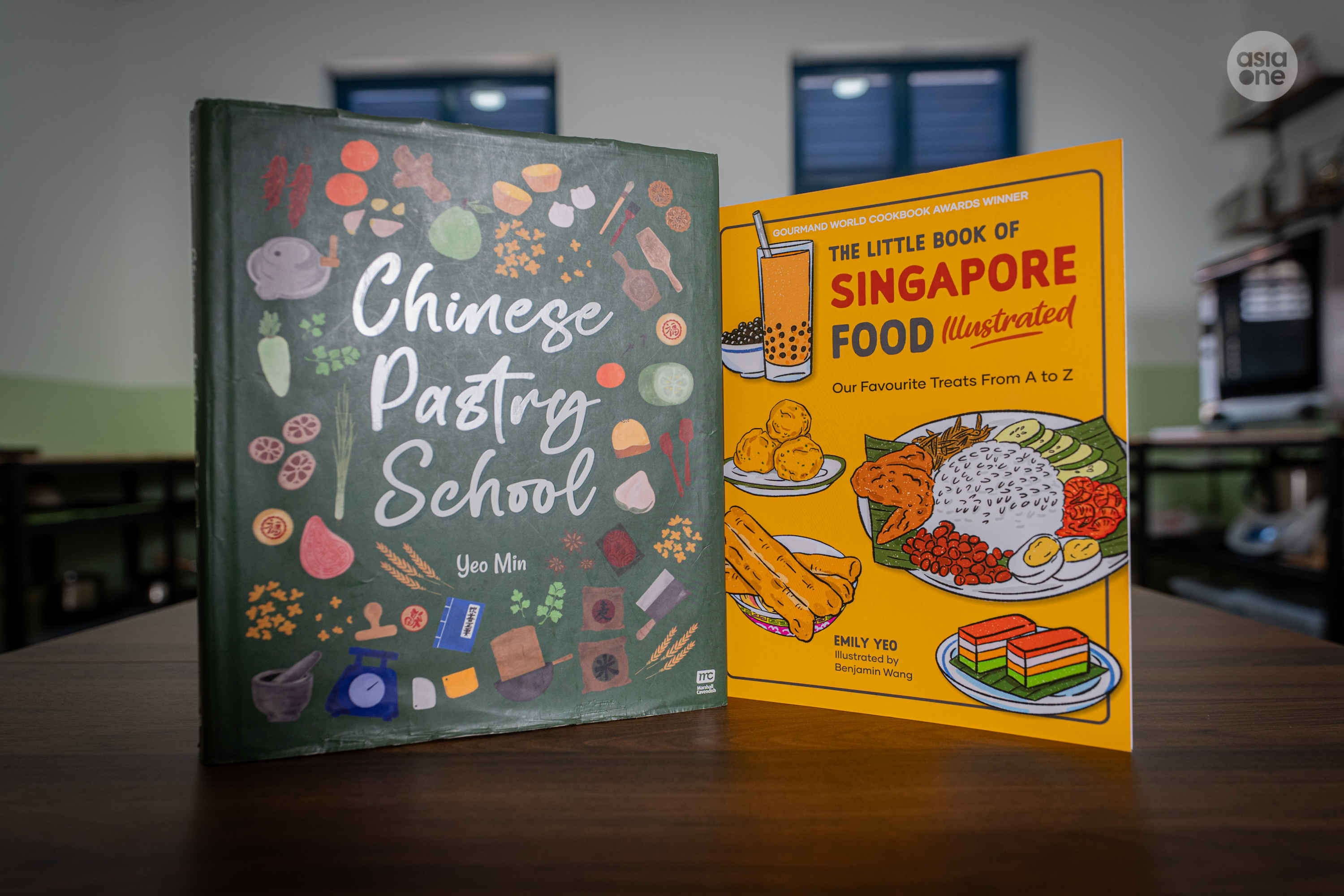
Emily, who started a cooking studio for children in 2013, wrote the cookbook The Little Book Of Singapore Food Illustrated, while Min authored Chinese Pastry School.

After becoming friends, the pair collaborated on several projects — such as a kids baking workshop and community project QixiFest 2024 — and discovered their shared interest in food and preserving Singapore’s heritage.
“One thing led to another. We realised that there’s really a lack of food heritage programmes in Singapore. So that’s where we saw a crisis, and also an opportunity,” said Emily.
The women also noticed that in Singapore, the way food and culture are approached can sometimes be a bit “separate”.
“For example, when we want to learn about Malay heritage, we go to the Malay Heritage Centre, and vice versa for Chinese heritage,” said Min.
“But at the Museum of Food, there is a lot more flexibility to look across cultures and to think about what we really consider Singapore food.”
Prior to opening the museum, the duo were already hosting cooking workshops separately, and it made sense for them to collaborate on workshops featuring heritage recipes.
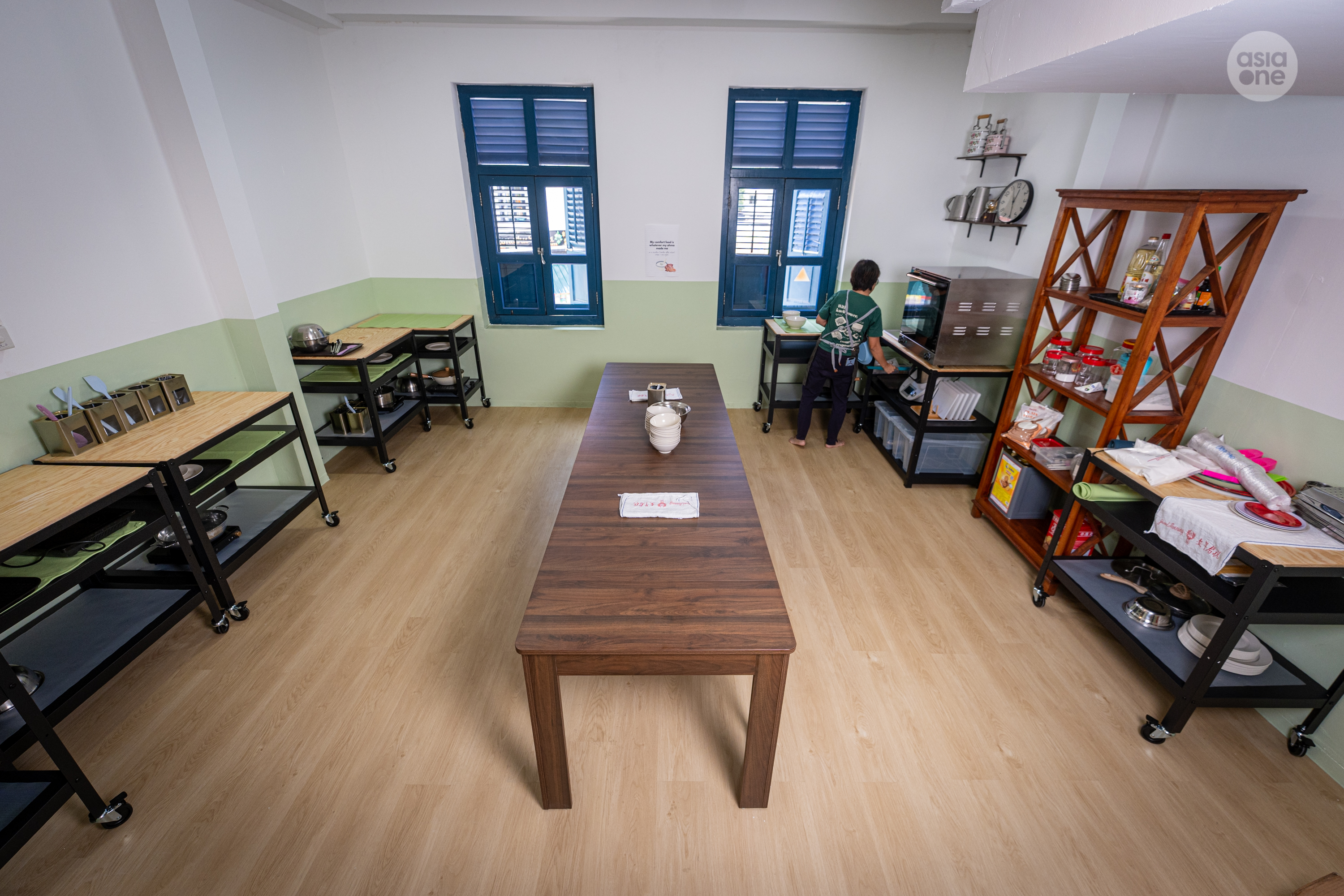
But as this idea grew, they realised that not everyone has the time and resources to attend such classes, and that they can also be rather expensive.
“A lot of cooking classes out there charge $100 to $200, so we wanted to set this up as a non-profit organisation with accessible cooking classes that cover a range of topics,” explained Min.
Apart from cooking lessons, they wanted people to be able to view and interact with artifacts and tools that have been used in Singapore’s kitchens for decades.
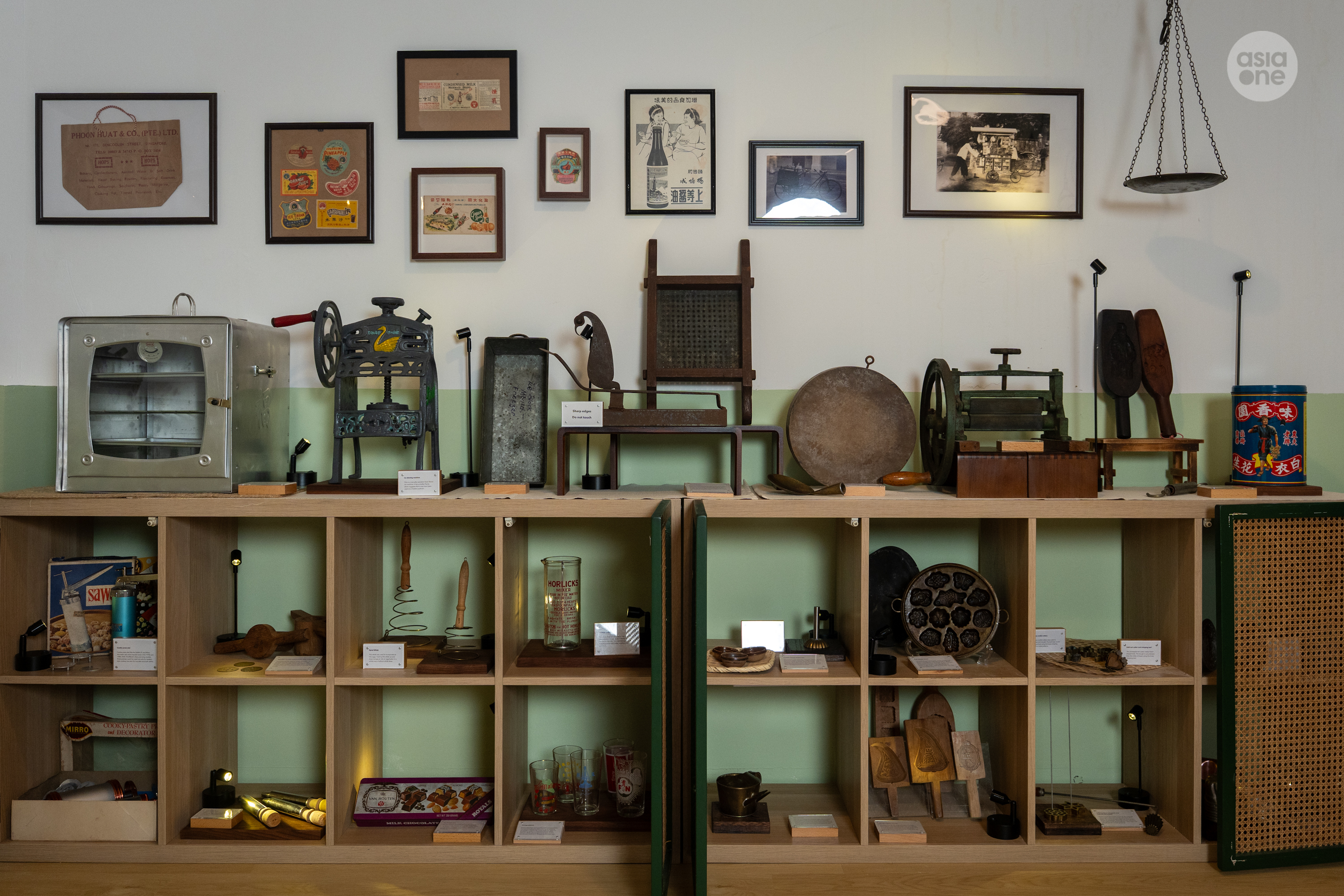
So they thought, why not open a museum that has both?
They started coming up with ideas in 2024, and by August that year, they registered as a company.
In December 2025, they began hunting for a space. After visiting 10 different venues, they chanced upon their current shophouse, which they secured on Feb 13.
“The location is very good, because we are near Geylang Serai Market and Haig Road Market, as well as supermarkets within walking distance,” said Min.
The museum is funded through government grants, philanthropic grants, fundraising, donations, as well as revenue from cooking programmes.
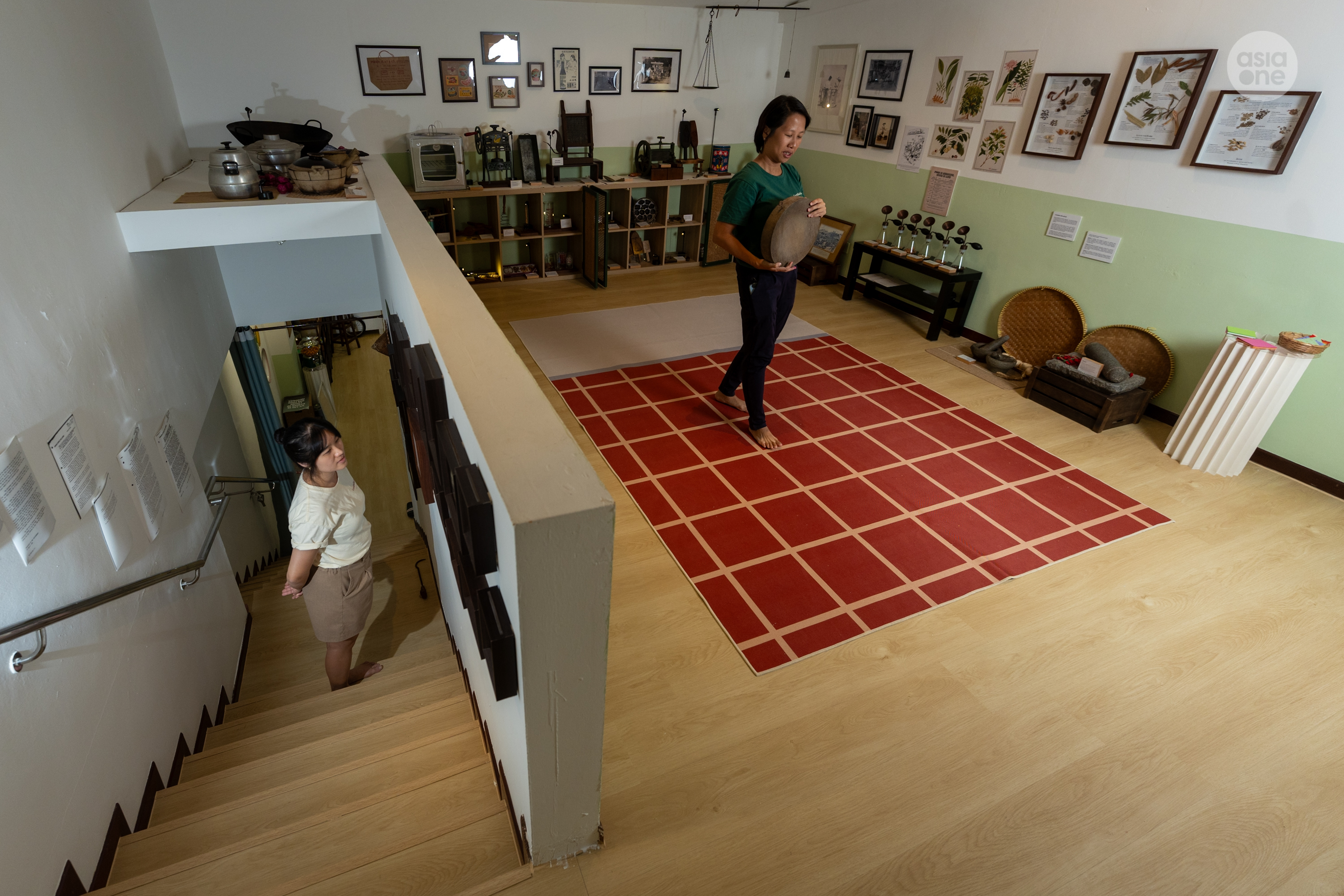
To save money, the pair renovated as much of the space as possible themselves. They also sourced the bulk of their furniture from Carousell.
So far, the response to the Museum of Food has been very “heartening”.
“We didn’t expect it to be this well-received. The support that we’ve got from strangers writing to us via email, our website, and social media has been very encouraging,” said Emily.
What’s in the museum?
The duo describes the Museum of Food as a “living museum” because the recipes they teach and the artifacts on display are still being used.
Around 30 per cent of their artifacts are donations, while the rest have been sourced from Carousell, vintage collectors, and people’s grandparents.
As of now, the most expensive item in the museum is a hawker carrier which the women paid $800 for.
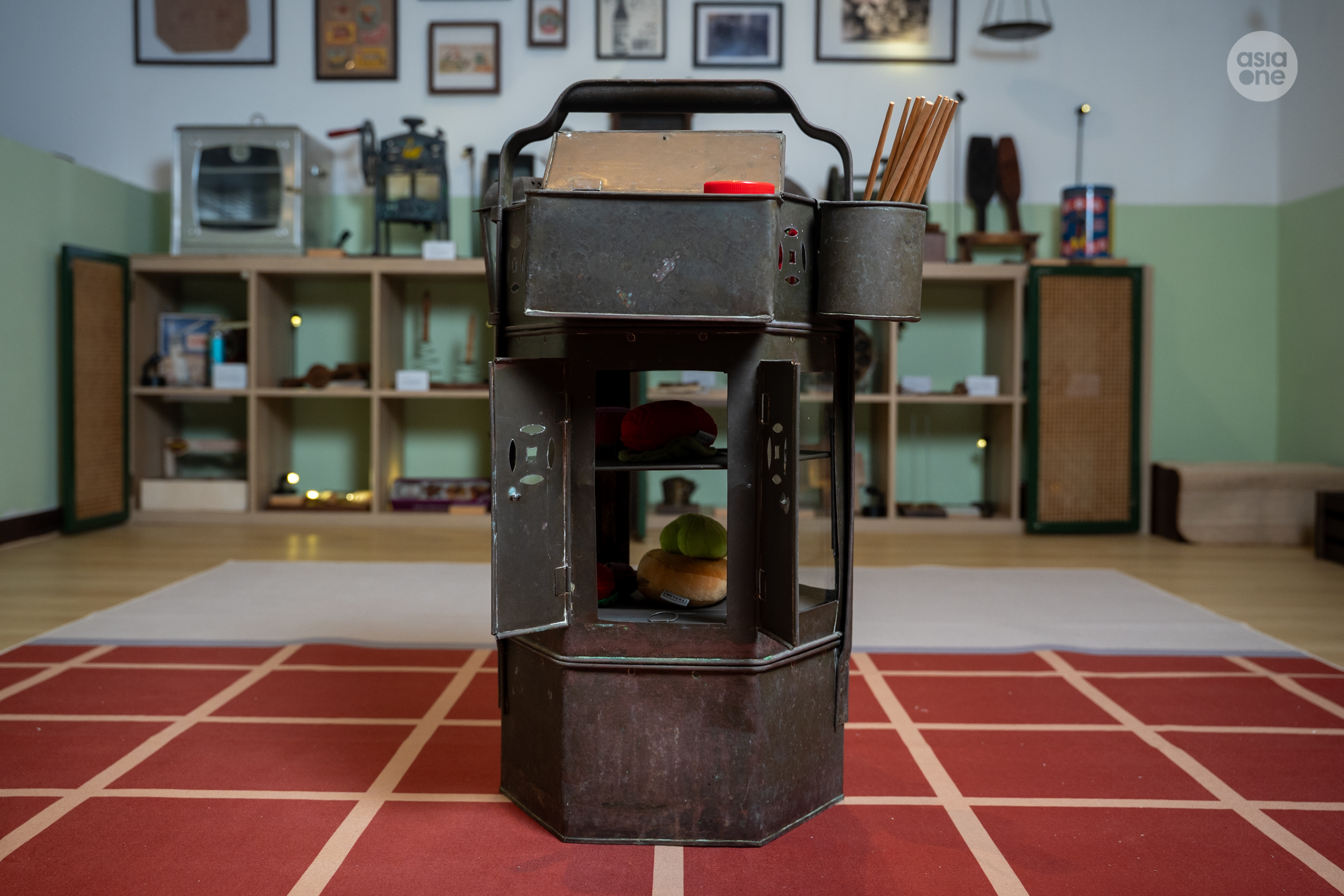
The collection started off with a few kueh molds, and Min would go onto Carousell to source for more items to be added.
Her favourite find so far is a batu giling, a ground stone tool used for processing ingredients such as grains, seeds, and chilli.
“I only paid $16 for this,” she told us proudly, while demonstrating how users crush ingredients by rolling the cylindrical rolling stone over the flat stone slab.
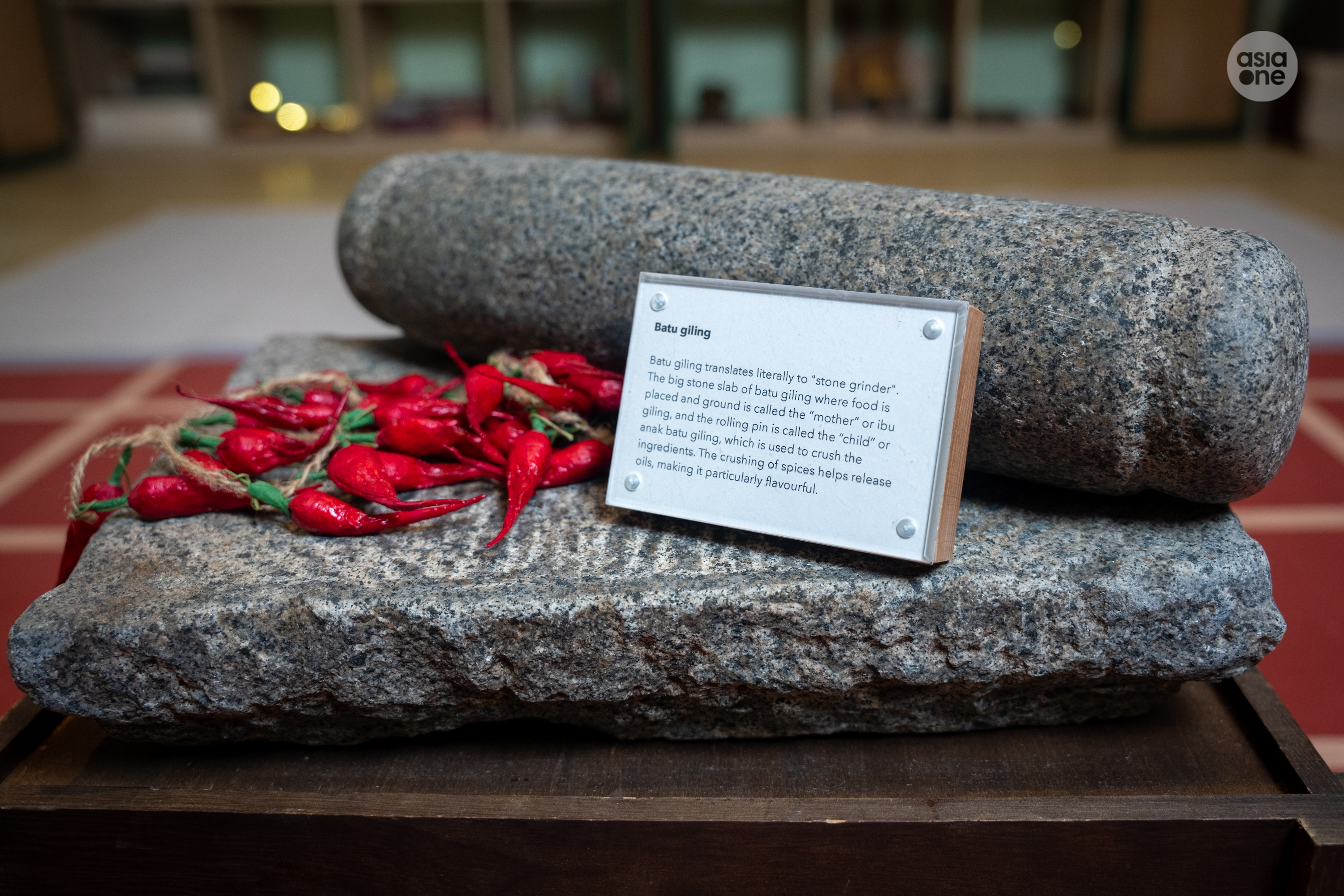
Once, they let kids try their hand at using the batu giling during a cooking class.
“You can really see the excitement in their eyes. It’s not like masak masak (imaginative cooking) or a toy kitchen where they use pretend tools,” recounted Emily.
“When the children saw the juices and pulp being squeezed out from the garlic, onions and chillies they were grinding, the looks on their faces were priceless. It was very sensorial and I would think, life-changing for them.”
Endangered dishes
Emily and Min define heritage food as a “collective memory”.
“Whatever we eat today, we will be telling people about it in 50 years’ time,” explained Min.
Emily shared that over time, dishes are disappearing along with the generations that created them.
“Every day that goes by, our seniors leave us and some of their stories go undocumented forever,” she said.
To illustrate her point, she shared an encounter with an elderly man who came from a kampung. There, he had eaten a very specific duck dish that left a strong impression on him.
“He described it in such vivid detail to me, but later said he can’t find the dish anymore, nor does he know how to recreate it. It’s something he is going to leave the world without tasting again,” Emily said with frustration.
“How many other dishes like this are just going to die? That scares us. That’s what makes our work urgent. If we don’t do anything about this today, nothing is going to change.”
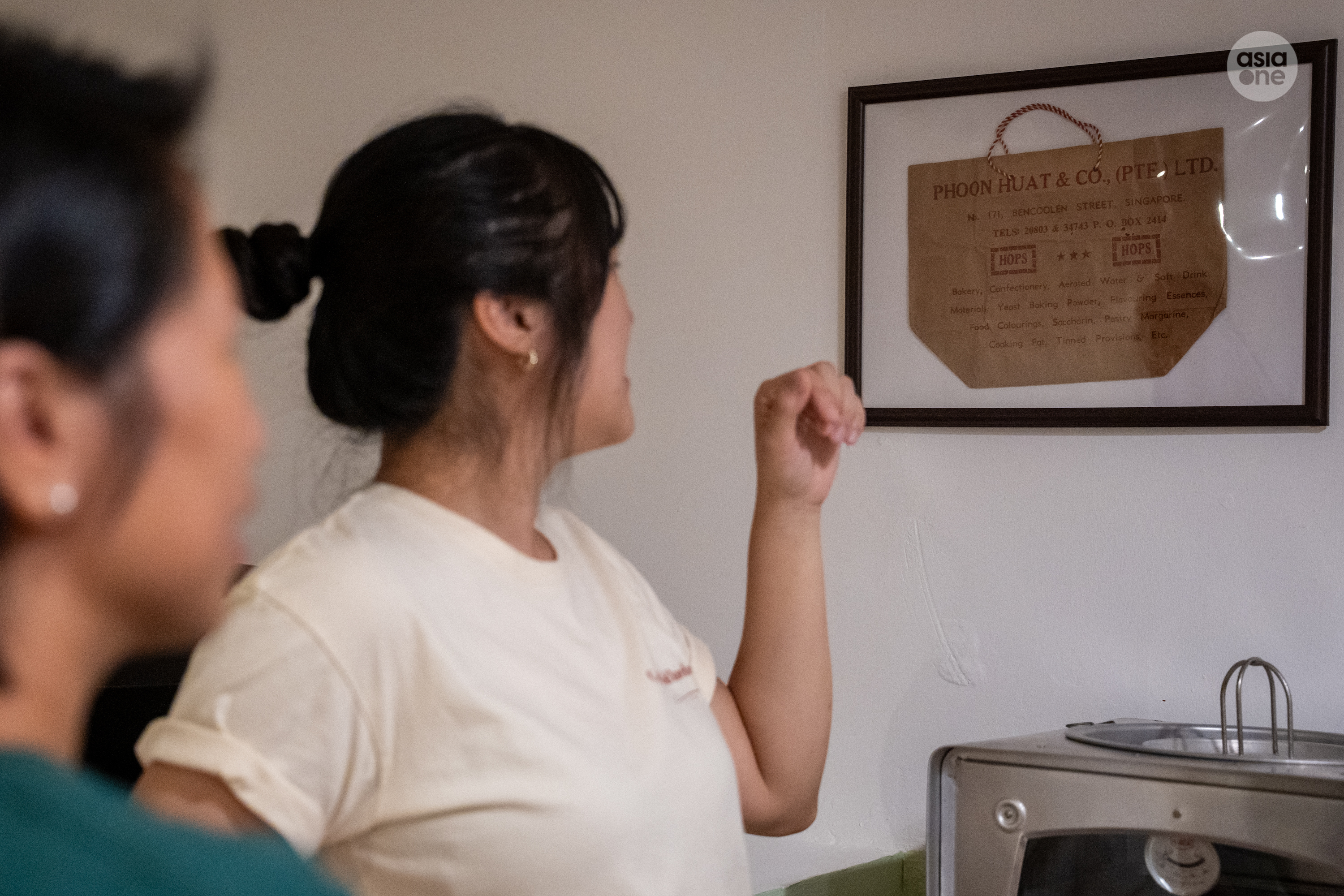
“Emily and I are part of the problem,” Min admitted. “We realised that we knew so much about the different fish we see in a Japanese buffet line, but at a wet market, we couldn’t identify our own local fish. Things like that got us thinking.”
Another issue is that various cuisines are being squeezed into singular labels.
“I feel like our local food is so diverse because Singapore is so diverse, but everything is being grouped together,” said Min, adding that only as an adult did she realise there is a difference between Hokkien, Teochew, Cantonese and Hakka food.
“For the Malays, there is so much diversity, whether they are orang laut, whether your ancestors lived on the islands, grew up in different kampungs, or came from different parts of Malaysia or Indonesia. There’s so much diversity and that makes a lot of difference in the food that we eat at home,” she elaborated.
“We are erasing so much history by saying everything is just Singapore food.”
The pair also noticed that one by one, local heritage brands were closing down, and many in the younger generation knew little about Singapore’s heritage food.
[[nid:730505]]
Emily, who is a pastry chef, shared that many of her peers in culinary school did not want to learn how to cook local food because they saw no future in it.
“For example, if you sell one croissant, you can earn $6, and you don’t even need to make it entirely by hand. But to make a tau sar piah (mung bean paste pastry), it’s so much more work, but you can only sell it for around $1.20,” she elaborated.
While they know that they cannot rescue every single local recipe out there, they want to do what they can.

“It’s an impossible task, but we just want to make more people aware, so that these dishes don’t slip through our fingers just like that,” said Emily.
The pair also realised that they are unable to do everything by themselves, so they plan to collaborate with partners to host workshops and activities, as well as rent the space to others who want to run their own heritage programmes.
Part of this includes bringing in guest chefs from different backgrounds. For instance, on April 25, local chef, author and television personality Audra Morrice will be leading a workshop and fundraising event that explores cross-cultural themes.
During this event, guests will be taught how to cook fusion recipes, and are also encouraged to discuss topics surrounding culture, identity, and the ever-evolving nature of what we eat.
Through these efforts, Emily and Min hope to preserve Singapore’s heritage food for future generations.
“We are still writing Singapore’s heritage every day, because we are such a young country. This is just the beginning,” said Min.
[[nid:733919]]
Address: 102 Joo Chiat Road, #02-01, Singapore 427396
No part of this article can be reproduced without permission from AsiaOne.
melissateo@asiaone.com
Read the full article here