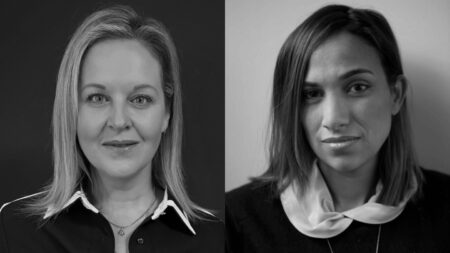





Kenya may be famous around the world for its wildlife safaris, marathon runners, and tea and coffee. But there are also dark sides, as Kikuyu Land, a new documentary from journalist and Bea Wangondu and U.S. co-director Andrew H. Brown, who also handled cinematography, shows.
The doc, which premieres in Sundance’s World Cinema Documentary Competition on Jan. 25, follows Wangondu, a journalist in Kenya’s capital Nairobi, as she starts investigating a land restitution battle in which the local government and a multinational corporation are key players. Soon, family secrets and questions about the land ownership of her grandfather emerge, and global power imbalances come to light.
Kikuyu Land becomes a deep dive into family history, the legacy of British colonialism, neocolonialism and corporate power, and inherited traumas. While fellow members of the Kikuyu, Kenya’s largest ethnic group, hope to reclaim land, Wangondu also embarked on a journey to reclaim her own narrative. Ahead of the doc’s Sundance world premiere, Wangondu and Brown talked to THR about the making of Kikuyu Land, universal themes explored in the film and how the film became deeply personal for Wangondu.
Wangondu and Brown met when they were both on assignment for National Geographic. Brown was reading Weep Not, Child around then, the 1964 novel by Kenyan author Ngũgĩ wa Thiong’o, which tells the story of a Kikuyu family, whose ancestral land is stolen from them. They decided to go on a cinematic journey together and “open a big, fat can of worms,” as Wangondu puts it.
Asking questions that were seen as possibly opening old wounds threatened to make the Wangondu a pariah back in her hometown. “We had a span of almost eight or nine months where I couldn’t call anybody at home,” Wangondu tells THR. “I couldn’t call anybody where my grandfather and grandmother lived. I was literally enemy number one. I really wanted answers and felt, let’s have this conversation. It was very, very difficult.”
In Kikuyu culture, talking about what’s happening at home is frowned upon, according to Wangondu. The experience of the so-called Mau Mau rebellion of 1952 to 1960 against British colonialists is one of the reasons for that. “Don’t let anybody know what’s going on at home, because you might let loose secrets of the Mau Mau, our revolutionary group that went into the forest to fight the colonialists,” Wangondu explains of the prevailing attitude.
Also, patriarchal tradition runs deep in the community. “Where I come from, the men are going to make the decisions,” she explains. “My mom tried to help, but it didn’t work until we finally could have that conversation. I called my uncle and said, ‘You could just tell me your side of the story and what you know.’ He brought some of his brothers, and we got to have that conversation. Even though it was very curated, I had to just be okay with how far they were willing to go.”
Brown recalls being impressed by how his co-director approached that meeting. “She basically said, ‘I don’t need you to tell me what happened. I just want to hear how it sits with you and how you are interpreting it’.”
In the end, this family conversation was “a really special moment,” both for Kikuyu Land and the participants, Brown tells THR. “The best part of it was that afterwards, everybody felt much lighter. After that, they went and visited her grandfather’s grave, and it actually felt for the first time that there was a bit of closure and honesty.”
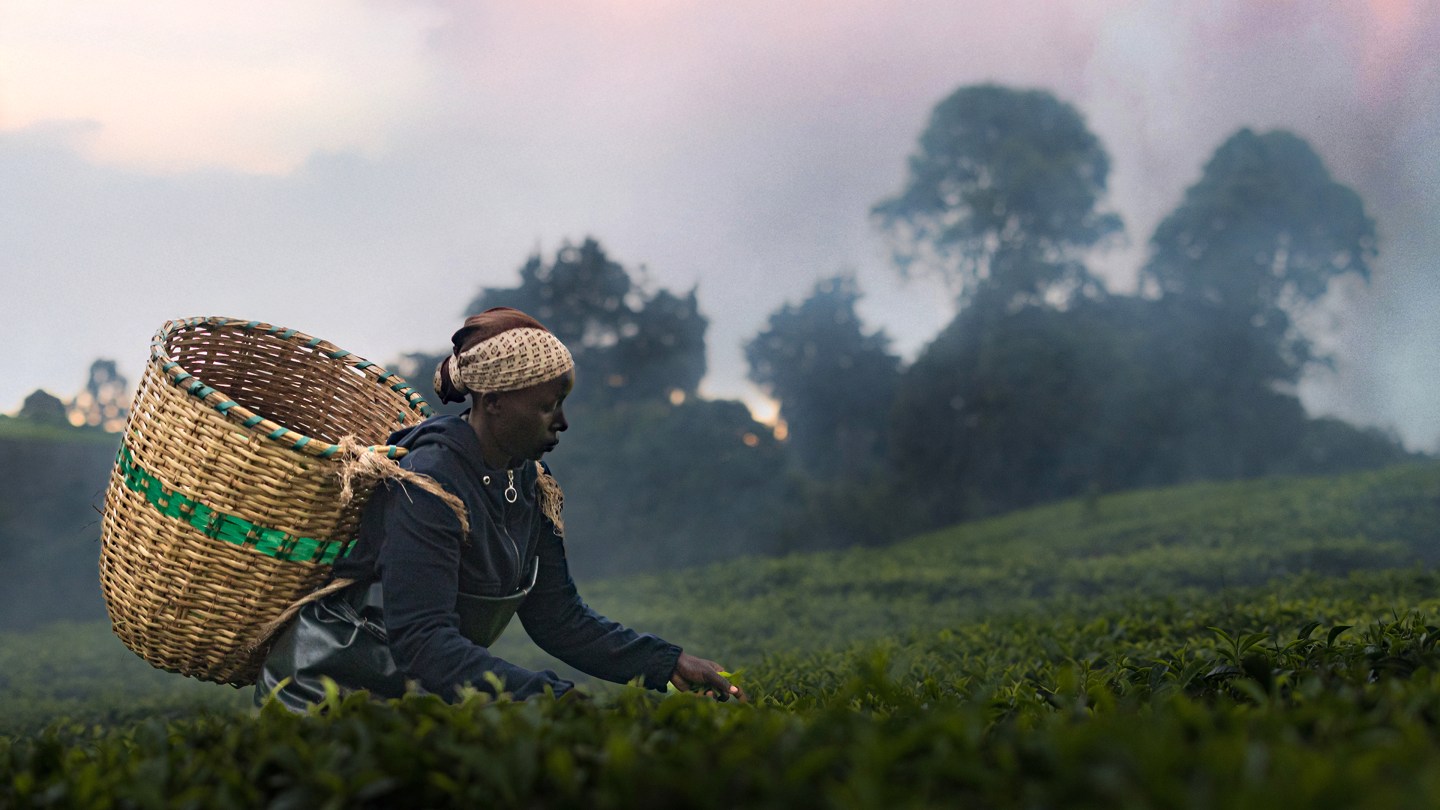
Among the big names that Kikuyu Land covers are consumer goods giant Unilever, which got repeated calls from Wangondu about the treatment of women on Kenyan tea plantations. (Those plantations ended up selling to a private equity firm in 2022.) Footage in the film shows plantation workers being yelled at by male supervisors, and also features stories of sexual abuse by those supervisors.
Kikuyu Land also covers the current political chaos in the country, as Kenyan president William Ruto, a former populist, has become widely criticized and has turned increasingly authoritarian.
“We now have a new French military base. We have the Brits. We have the Americans. Our president is a big neocolonialist,” Wangondu explains. “[Ruto] will do everything possible to have the West, the global North, to like him.”
The co-directors argue that U.S. President Donald Trump and Ruto are being “cut from the same cloth.” And audiences in other parts of the world will surely recognize some of the frustrations, gaps in political and economic power, and more depicted in the doc. “We want audiences to understand the effects of colonialism and corporate power and how they are still shaping people’s lives right now,” highlights Brown. “We all play a role in these systems, whether we are supporting those systems or challenging them.” That is one of the elements that makes Kikuyu Land “a global story,” he argues.
The duo plans to take Kikuyu Land, which they describe as mostly “made for Kenyans by Kenyans,” out into the world first before bringing it to the country and screening it across Kenya, including in community screenings.
Despite all the hurdles, challenges, and pain, making Kikuyu Land was “almost a relief” for Wangondu. “I took a journey, and this is where it’s brought me,” she tells THR. “I don’t have everything and all the answers, but that’s okay. I did something for my own identity. And I can’t wait for people to see it.”
THR can now reveal an exclusive clip from Kikuyu Land, which you can check out here.

Read the full article here