




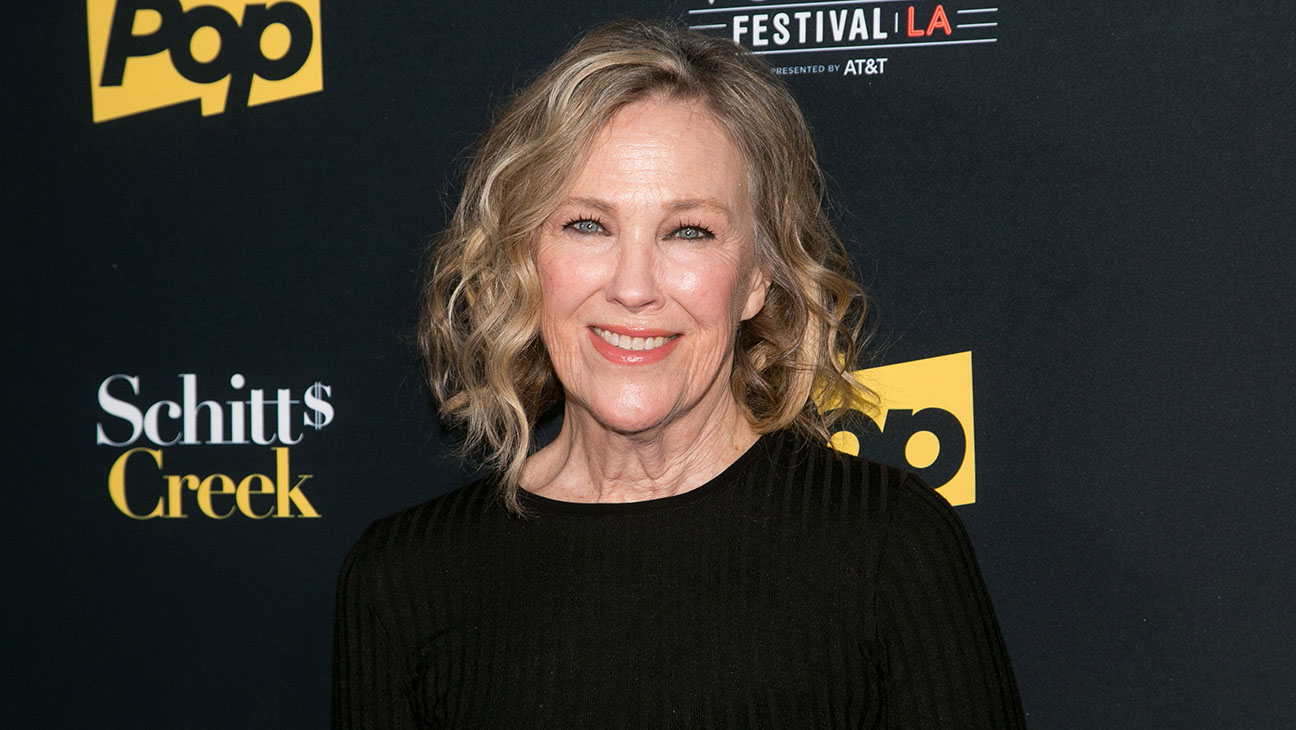


A funny thing happened to Catherine O’Hara over the past decade.
Actually, many funny things probably happened to, and because of, Catherine O’Hara over the past decade — but over the past decade, Catherine O’Hara got really famous.
If people take umbrage at that statement, I don’t blame them. Catherine O’Hara was definitely famous before Schitt’s Creek, but she was famous in a fragmented way that isn’t uncommon in the modern media landscape.
Yes, she was a Canadian national treasure and had been since the launch of SCTV. If you made a Mount Rushmore of comic sketch performers, Catherine O’Hara would be on it. But while John Candy and Rick Moranis and even O’Hara’s career-long professional partner Eugene Levy experienced above-the-title stardom, O’Hara went from being the most valuable performer in a sketch ensemble to being the most valuable performer in countless other ensembles, including Christopher Guest’s troupe of improvisational geniuses.
So O’Hara was already Canada-famous and comedy-famous, but she was famous in a way that the internet was constantly discovering that the mom in Home Alone was Catherine O’Hara — partially a reflection of the internet’s goldfish memory and partially a reflection of O’Hara’s status as a comic character actor, a plug-and-play performer who might only get a scene or two in your movie or an episode or two in your sitcom, but would absolutely guarantee laughter.
Schitt’s Creek, though, did something different. What started as an exercise in nostalgia, the pure joy of watching O’Hara and Levy riffing off each other so potently after all these years, became an exercise in both discovery and affirmation.
It was discovery, because for younger viewers, SCTV doesn’t necessarily exist. It isn’t streaming anywhere and, at least to the best of my memory, never has been. That’s a travesty. O’Hara turned out to be a perfect performer for the YouTube/Quibi/TikTok era.
Fine.
She turned out to be a perfect performer for any era.
And I mean ANY era. One thing that’s striking if you watch the clips from SCTV that are floating around YouTube is that O’Hara could do anything. SCTV let her sing, dance, explode with zaniness and offer quiet support. Put a young Catherine O’Hara in the 1930s and she would have been a screwball comedy star without equal, which I’m not just saying because O’Hara’s Katharine Hepburn impression was one of her very best bits. Put a middle-aged O’Hara in the ’50s or ’60s and one can only imagine what Billy Wilder might have written for her.
But if you’re an actor capable of giving any snippet of dialogue, literally however short, a line reading from a different, far funnier planet, you’re made to be celebrated in brief bursts, in cutdown montages, in degraded vintage sketches digitized from somebody’s collection of old VHS tapes. If I needed to list somebody capable of generating hilarity in three seconds or less, I’m not sure I’d put anybody above Catherine O’Hara. Heck, on Schitt’s Creek, she and the writers often set aside monologues or punchlines and innovated the idea of a punch-syllable.
It was a discovery, though, because for every time Moira Rose made you die laughing from the emphasis she placed in a word that turned it from a piece of ongoing conversation to the sort of giggle-inducing inflection that forced viewers to pause — lest they miss the next alien intonation — there were quiet scenes between O’Hara and Levy that elevated what, by all rights, should have been a silly, low-brow comedy with a dirty pun as its title.
There was a broad, somewhat forgettable sitcom that Schitt’s Creek often was in its first season, but then there was the show that Levy and O’Hara were starring in — and as Schitt’s Creek progressed and evolved, the whole series rose to their level and every member of the cast did as well. That, I think, is what O’Hara learned as she cut her teeth on SCTV and through those Guest classics — namely when to be a star of an ensemble and when to be support, when to make a scene your own and when to let other people shine.
As a result, O’Hara went from famous to FAMOUS, from being beloved by 25 different niche audiences to being universally beloved, from being respected and adored to being decorated and celebrated. Sometimes when performers make this transition, it comes when their careers are winding down. But with O’Hara, it seemed like she was still fully in ascension, that she was ready to embrace the acclaim and parlay it into opportunities. She was wonderful in The Studio. She showed rarely utilized dramatic chops in The Last of Us — a side she’d hinted at before, because many of her best comic roles were grounded in a certain human desperation, but rarely had the opportunity to utilize. Heck, she got to be named honorary mayor of Brentwood.
Catherine O’Hara died on Friday at 71. The past decade has shown that as great as we already knew she was, there were new depths she had to explore and, more than that, available opportunities for her to explore those depths.
But the universal adoration came when she could appreciate it and, more than that, when she could turn it into those opportunities to do more, or different, or whatever she wanted to be doing. I always worry, when people pass away and the internet collectively grieves, that the person in question perhaps didn’t know or didn’t have the chances to use that love-equity to do more. My sense is that O’Hara knew and did much with her chances, both the ones that came when select audiences first found her five decades ago and the ones that came when everybody found her a decade ago.
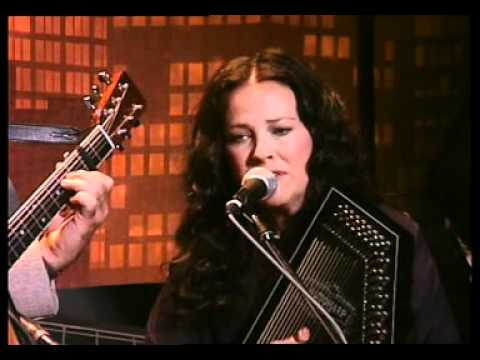
I’m going to take that as sad and also reassuring, and I’m going to watch some YouTube clips of O’Hara’s funniest SCTV moments, before closing with this:
Read the full article here