




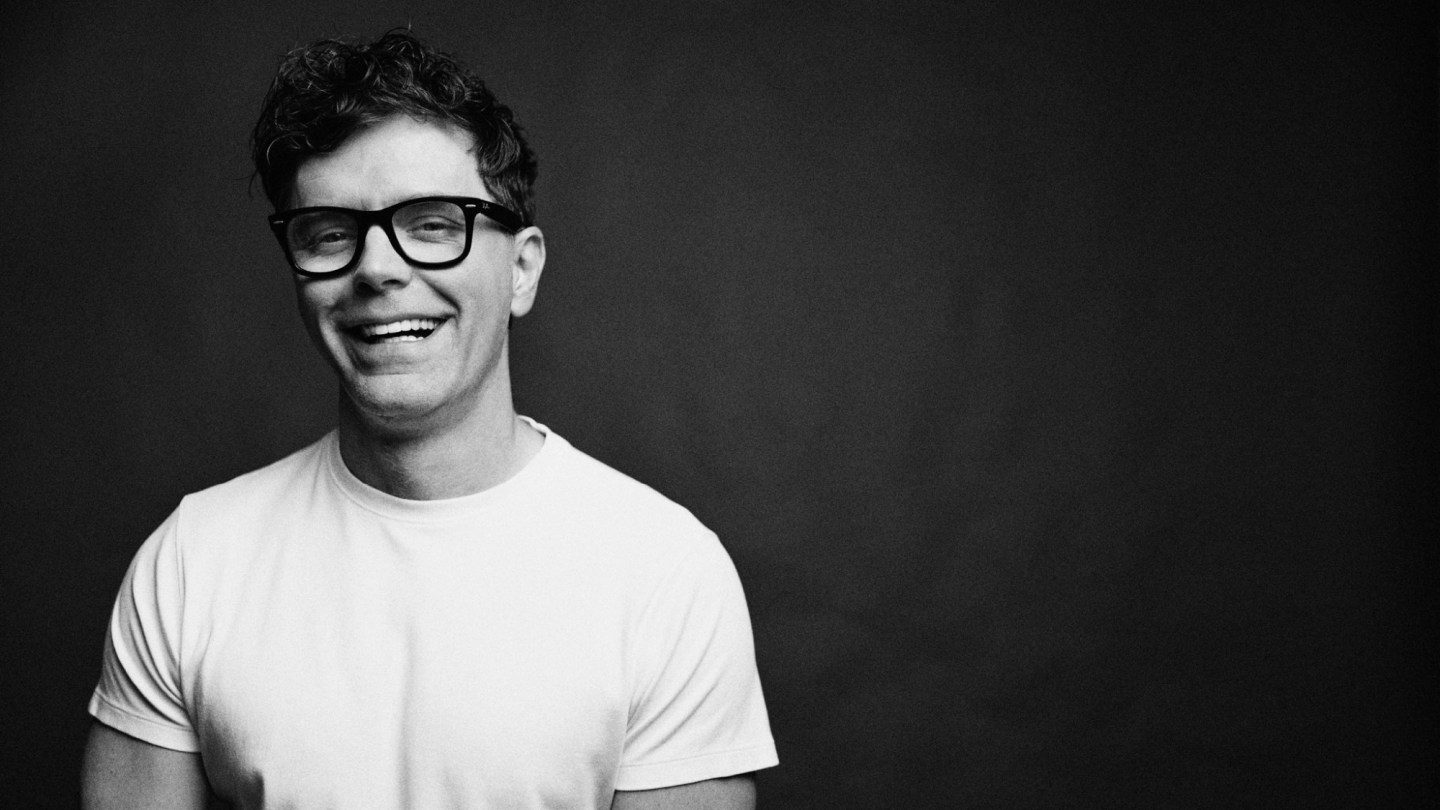


Bobby Bones presides over an audio empire thanks to his eponymous radio show, a partnership with the NFL and dalliances in TV work. But when Netflix came calling with a new idea, it was a quick yes. For starters, “Well, they offered us a lot of money,” Bones tells The Hollywood Reporter.
Bones is part of Netflix’s grand experiment in video podcasting, the streaming platform began hosting the format earlier this year — launching with shows like The Bill Simmons Podcast and Barstool Sports’ Pardon My Take — in an effort to bring in more daytime viewers and compete with archrival YouTube. While the results of putting podcasts on Netflix remain to be seen, the experiment is paying off for creators like Bones, who signed a multimillion-dollar contract with the streamer, on top of a $100 million overall talent deal with iHeartMedia.
The trade-off, per the deals Netflix struck with companies like iHeartMedia and Spotify, is that full video episodes no longer can appear on YouTube. But Netflix is making it worth their while. Once Bones signed the Netflix deal, he began completely renovating one of the buildings he owns in Nashville in order to build out a multicam studio for his podcast, The BobbyCast.
“The visual part of it’s always been important to me. But we leveled up whenever this deal happened. We leveled up because they gave us the resources to do it, and also if a lot of people are going to watch, I definitely want it to look as best as it possibly can,” he said.
Since episodes started streaming in January (he’s delivered more than 80), Bones says the streamer has not laid out any rules for his show but has offered to help book guests. They largely appear in person at the studio, with many already part of the Nashville music scene or coming through the area on tour. But recently, Bones said, he’s also been receiving requests from guests willing to travel specifically to the city for the show, as was the case for Mumford and Sons.
The building used for The BobbyCast is unmarked and secured, which helps maintain the safety and anonymity of the guests, who have included Sheryl Crow, Blake Shelton and Kenan Thompson. (Bones also shoots his content for the NFL in a different studio in the building).
“I think the good part about being with Netflix is, a lot of people are watching it, because they’ve put us all over the world now,” Bones says. “The bad thing is, a lot of people watch, and if something like that blows up, man, it blows up hard.”
That was a lesson learned in July when John Stamos appeared on Bones’ podcast and joked that, unlike his host, he would never do Dancing With the Stars despite repeated offers. The stray remark backfired for Stamos, who received online attacks for being dismissive of the show.
Bones is no stranger to security concerns and controversy. He lists several incidents that have occurred throughout his career, including being jumped outside of work, held at gunpoint, pistol-whipped and also having his house broken into, all of which has required his own level of security. “It’s not even really because of anything that I say that’s controversial. I think they’re having so many instances and so many years of this that it’s just a numbers game. If enough people consume you and you’re very close and personal, there’s a parasocial relationship that happens,” Bones says.
“There’s no crying on the yacht, so everything’s going pretty good. I’m not whining about it, but it is a weird part of the life that I live now,” he adds.
When he first started in the business with The Bobby Bones Show in 2003, Bones says he and Charlamagne tha God, who remains a close friend and has his own syndicated iHeart show as well as a Netflix deal, would swap info to make sure they were each getting the best deals. “The transparency has been a real asset for me because there are things where I didn’t know that this could even be asked for, and same from him to me,” he says.
“Bobby is my dude. One of the greatest radio personalities to ever exist and a true disruptor in the best way,” Charlamagne tells THR. “Every step of the way on my journey in radio, he’s shared information with me, and I’ve shared information with him. That kind of relationship is invaluable because we’ve literally been able to learn from each other as we grow.”
(Charlamagne also offered words of encouragement after Bones was fined $1 million by the FCC for playing Emergency Alert System tones live on his syndicated show, which triggered alerts across several states.)
Bones also has cultivated a certain lore around himself, after he bought the trademark for the phrase “Make America Great Again” for use with apparel in 2015. He tweeted at then-candidate Donald Trump and said he would hand it over for a $100,000 donation to St. Jude’s Children’s Research Hospital. Bones says Trump did not make the donation, but he did get paid for the trademark. “I was just getting some really angry and threatening phone calls from really high-up people,” he adds warily, noting that he may be able to tell the full story “when the political climate cools a bit.” (Bones said in 2018 he’s not a Republican or a Democrat: “I’m in the middle.”)
When he began the Netflix contract, Bones says, he was not sure what type of audience it would bring. He’s since been able to meet with the company and was surprised to find that his solo episodes are performing particularly well. They’re not as high as some of the best guest episodes, he adds, but they’re climbing faster than the other episodes. Netflix has not publicly released data on how individual podcasts are performing but has said the shows are more popular than longform series with mobile users and have driven up engagement during the daytime.
In recent years, Bones acknowledges the space has become much more crowded with podcasters, with competition for guests, and claims he’s become “slightly less relevant.” But because his audience has stuck around, he says he’s also become more valuable.
“Most people are doing interview podcasts now, and what I really also want to try to avoid is the retread of the same guest that’s doing 11 podcasts at once,” he says.
“I like to have guests that I’m actually interested in, and then now I’m really focused on what I want to say because I know that’s starting to be, as we can tell through the numbers, the differentiator,” he notes.
As Bones’ career has taken off — from the syndication of his program and launching a YouTube channel to appearing on such shows as American Idol and Dancing With the Stars — he says he wasn’t sure how to keep his everyman persona in line with his growing billfold. “I really worried about that when the success started to happen,” he adds. “But now I just try to be very honest, and I might tell a story about when I waited tables and how I depended on tips just to have car insurance. But then I have to go, ‘I have a lot of money now.’ ”
This story appeared in the Sept. 2 issue of The Hollywood Reporter magazine. Click here to subscribe.
Read the full article here