



In the 2011 New York media and literary scene, Gawker was a juggernaut, Twitter was ascendant (and still kinda fun!) and print media, while hanging on by its fingernails, mattered. It is this fleeting moment that Alexandra Pechman’s feature directorial debut, Magazine — which will premiere in the Toronto International Film Festival’s Discovery section on Sept. 11 — deftly captures in all of its awkwardness and glory.
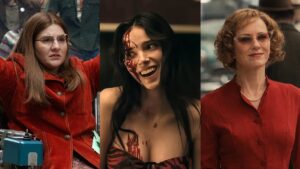
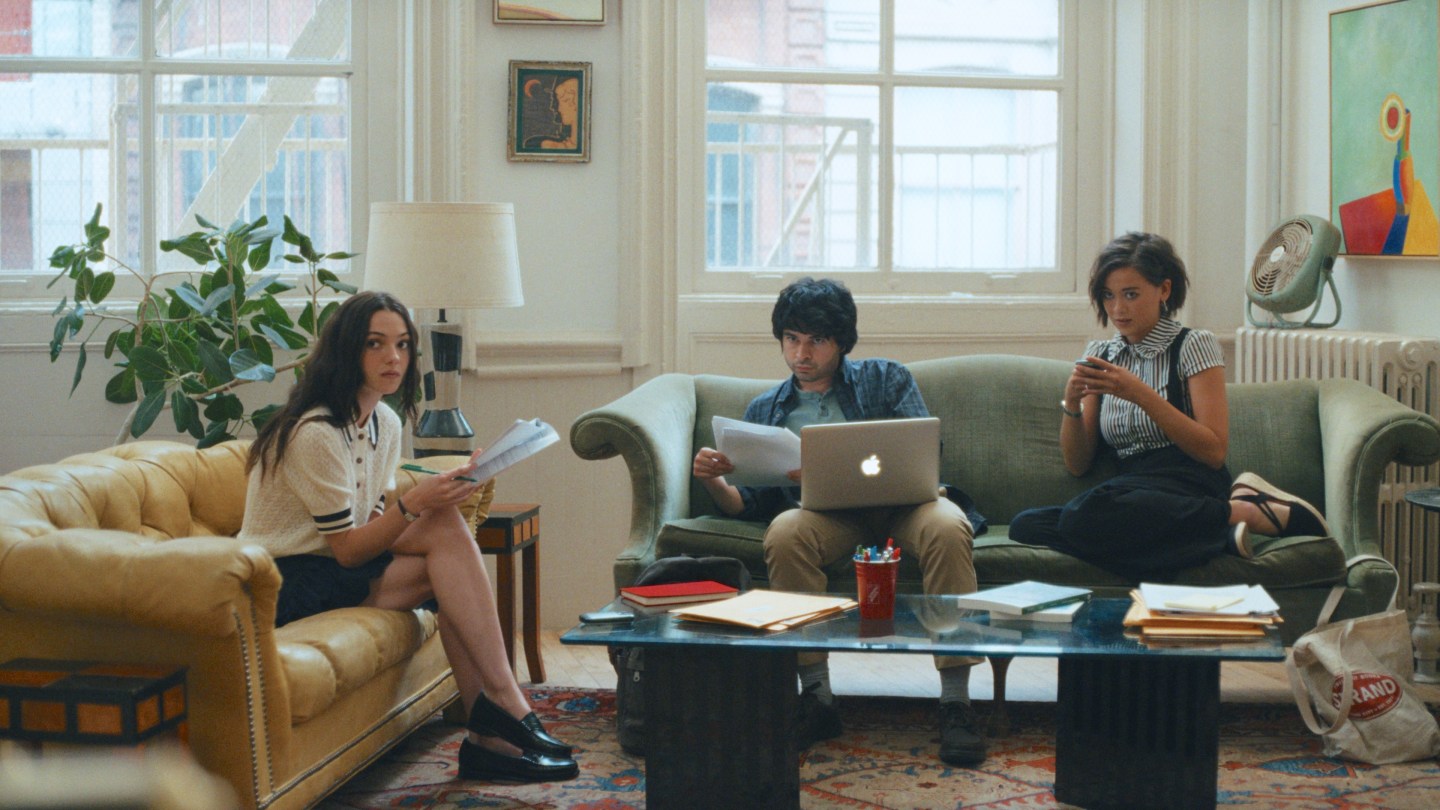
The movie centers on an eager intern and aspiring poet, played by Lily McInerny, who spends a summer at a literary magazine, Platen, that is equal parts aspirational and pretentious. She embarks on ill-fated romances and charming friendships while navigating the personalities and ambitions that you would find at a New York-based quarterly focused on cultish literary figures.
“I have the correct degree to make this movie,” jokes Pechman, who graduated from Northwestern’s School of Journalism with a bachelor of science in magazine journalism. Before her time as a filmmaker — her credits include the Syfy series Channel Zero and several short films — Pechman’s life was in publishing, with internships at the AV Club and The Paris Review before doing time as a fact-checker at ArtNews and writing for publications like Art Forum and Vogue.
“This was the first thing I ever started writing where I was like, ‘I can’t let anybody else [direct] this,’ ” says Pechman of her close connection to Magazine, having lived and worked through this particular moment in New York media. Her inspirations were films like Cameron Crowe’s Almost Famous and Whit Stillman’s The Last Days of Disco, each of which inspired nostalgia for bygone eras of journalism and city living, respectively.
Magazine is set in a pre-#MeToo and pre-pandemic moment, when in-person office culture made the commute from your tiny Brooklyn apartment worth it and interoffice romances were far more common and far less fraught. People still dressed up to be among their co-workers (Peter Pan collars and saddle shoes abounded) and happy hours were a way of life. “Everything [became] a lot more regulated and boundary-ed — for the better, for the most part — but I also missed the messiness and magic of that cusp-y time before we all really knew what to do with the internet,” Pechman says.
As for centering her movie at a quarterly literary magazine as opposed to an upstart blog, a legacy newspaper, fashion magazine or elsewhere in the then (more) crowded media ecosystem, Pechman says she wanted to examine a certain kind of elite publication “that gets its notoriety from it being a throwback, from it being a little bit encased in amber and a little bit trapped in the past.”
Shooting on location in Tribeca, Pechman and the crew filled out borrowed locations with Facebook Marketplace finds — a faded emerald velvet couch was a particular favorite — so its faux literary journal had just the right amount of patina. Mood boards were populated by 2010s figures like reigning “It” girl Alexa Chung and indie-sleaze ingenue Cory Kennedy, with costume designer Michelle J. Li creating over 150 looks for the cast, which also includes White Lotus favorite Jake Lacy, AnnaSophia Robb and Iris Apatow.
And viewers are taking notice of the attention to detail and affection — albeit affection with a critical eye — for that time. “For us in 2026, [the romance] is rooted in nostalgia, starting with an opening sequence that lingers over the tactile relics of a not-that-far-bygone era: well-worn paperbacks, a BlackBerry with a keyboard, a tangle of iPod earbud wires,” reads The Hollywood Reporter‘s review of film by Angie Han. “For Nora, it’s precisely the opposite. An aspiring poet from Arizona, she just knows, instinctively, that the New York literary scene will be where she finally finds her people.”
As she has started putting Magazine in front of audiences, the filmmaker was surprised to find younger watchers charmed by an era where iPhones weren’t so ubiquitous and Zoom was a decade away. Like Lena Dunham’s Girls, which takes place in 2010s New York and had a recent resurgence among Gen Z streamers, these viewers are charmed by an era where iPhone weren’t ubiquitous and Zoom was a decade away from prevalence.
“In starting to talk to younger people about the movie, in a lot of ways they key into the nostalgia of the movie even more,” says Pechman. “Especially because Gen Z is so starved for that authenticity and that tactility and culture.”
Read the full article here