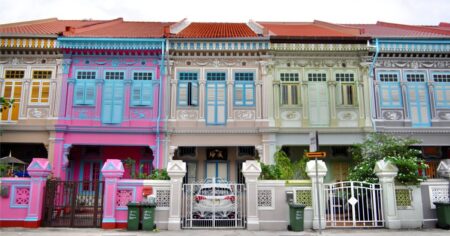





Extended alcohol sale hours at nightlife spots along the Singapore River are among the measures that will be formalised on Tuesday (Aug 18) after a year-long trial.
The pilot programme to revitalise Boat Quay Historic District, Upper Circular Road area and Clarke Quay Conservation Area has seen encouraging results as well as strong interest from businesses, the authorities said on Monday.
The measures include:
- applications for new bars, clubs and nightclubs within the Boat Quay Historic District
- resumption of road closures at Circular Road for events and pedestrian-friendly activities
- extended liquor trading hours to 4am on Thursday and Friday nights at the Boat Quay Historic District, Upper Circular Road area and Clarke Quay Conservation Area
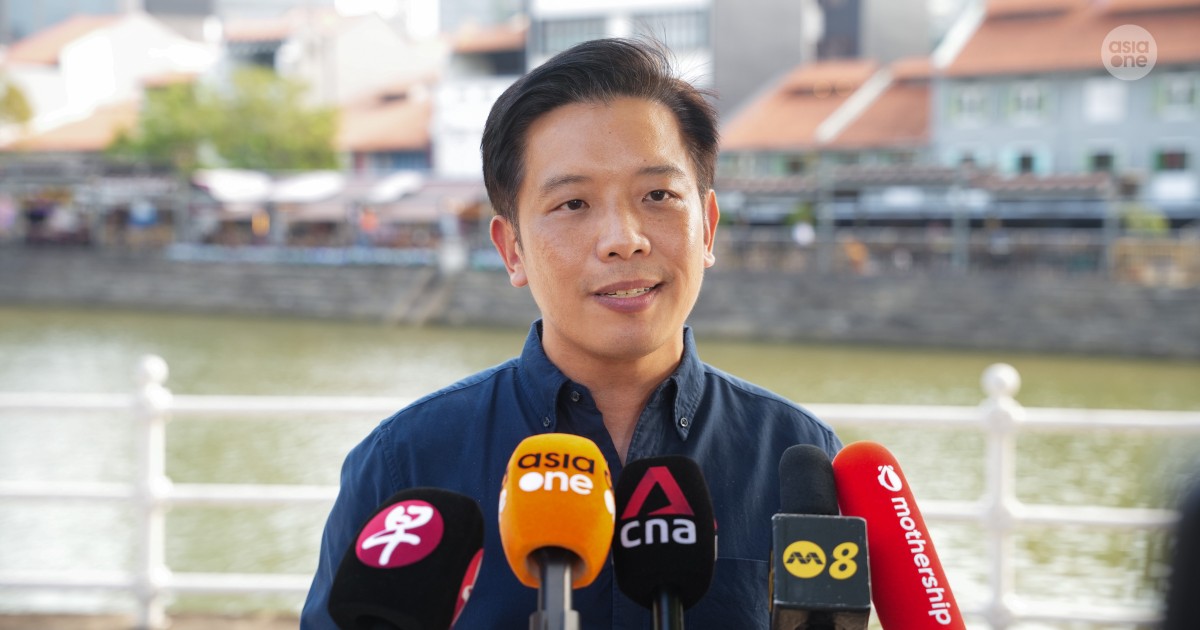
Formalising these measures can make Singapore’s tourism and nightlife offerings more attractive while supporting business vibrancy and creating good jobs in the sector, said Minister of State for National Development Alvin Tan.
“Boat Quay and Clarke Quay behind me are prominent waterfront destinations for both local and tourists alike,” he told the media on Monday.
“Our Singapore River is a key heritage, lifestyle and entertainment precinct, and can contribute to our vibrant nightlife.”
The Urban Redevelopment Authority approved 37 applications for new nightlife uses in the parts of the Boat Quay Historic District between last August and this June.
Meanwhile, the police approved 92 applications to extend liquor trading hours in these three areas, said the trade and industry, national development as well as home affairs ministries on Monday.
Businesses on board
Nicholas Lee, centre manager of CQ @ Clarke Quay welcomed the initiative, saying the added flexibility will benefit businesses along Singapore River.
Citing the reopening of Zouk in June, the revitalisation measures will support efforts to keep the precinct’s offerings fresh and distinctive, he said.
While Clarke Quay’s vibrant night scene remains a defining part of the precinct’s identity, Nicholas noted that CQ @ Clarke Quay has evolved beyond nightlife to offer dining, wellness, entertainment and waterfront experiences throughout the day.
“This enables us to cater to a broad range of visitors while reinforcing Clarke Quay’s position as one of Singapore’s lifestyle destinations,” Nicholas said.
Danny Loong, president of the Singapore Nightlife Business Association (SNBA), echoed this broader view on nightlife.
“It’s an ecosystem,” he said.
In the grander scheme of things, the organisation is looking at “what works at night” for their stakeholders, which can range from bars and clubs to coffee shops and other events, Danny explained.
[[nid:738369]]
Public safety first
As the measures are formalised, Alvin stressed that safety and security will remain a priority.
“That’s why the government will continue to work with different stakeholders to maintain a safe environment for businesses, patrons and residents,” he said.
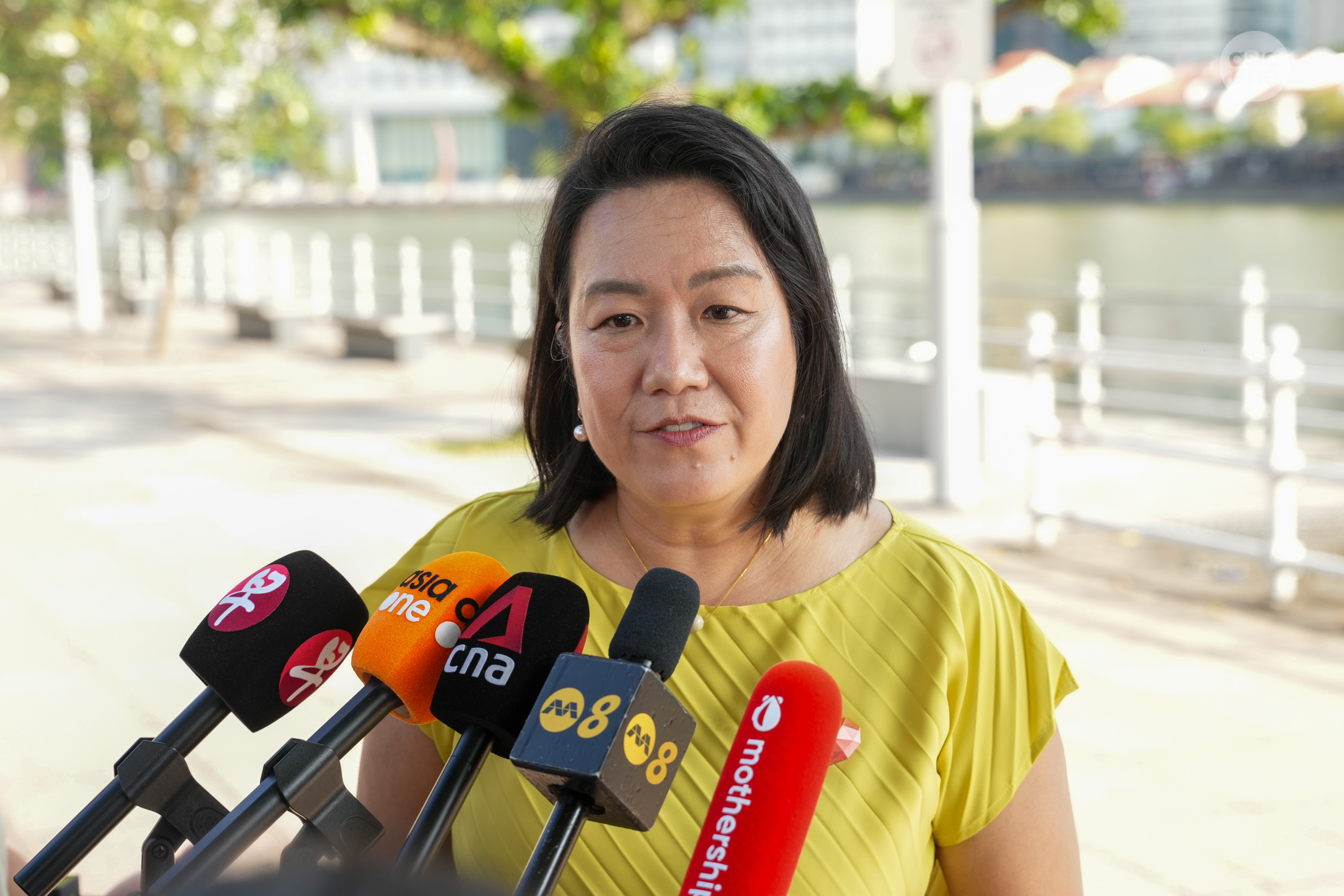
Singapore River One has been working with the police on enhanced security measures in the precinct, said executive director Michelle Koh.
The organisation deploys five additional security personnel to patrol the areas from 7pm to 3am.
“We want this space to be safe for people to have their drinks and entertainment,” she said, adding that the management bears the cost of the additional security, which amounts to approximately $20,000 per month.
While it’s “not the cheapest”, Singapore River One has decided to move ahead so as to “move the needle” — and the gesture has helped allay agencies’ concerns.
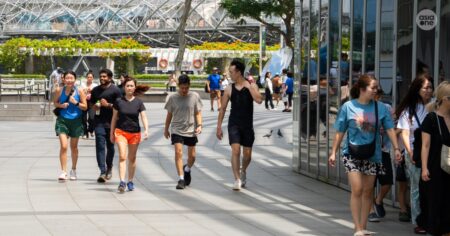
According to her, the average footfall along Circular Road and the Boat Quay area increased by about 10 per cent during the pilot programme.
Organisers also bring in additional security where necessary, Danny said.
“When we do an event, for example, we engage more security to make sure that everybody’s having fun safely and drinking responsibly.”
“We work with all the agencies to make sure that customers, whether it’s Singaporeans, tourists or expats, they are having a good but safe time.”
[[nid:721114]]
No part of this article can be reproduced without permission from AsiaOne.
Read the full article here