



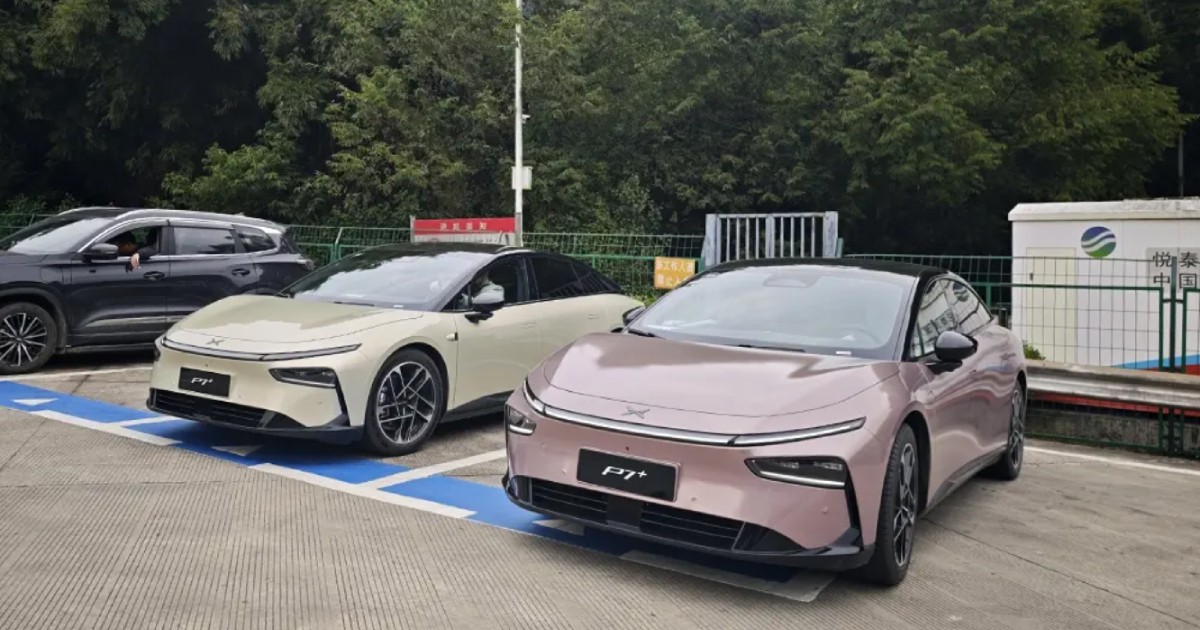

If you have read my review of the Xpeng P7, you might find the naming convention rather confusing. Xpeng’s P7 was one of its original car models, then there’s the one I recently drove, the second generation P7, but where does that leave the P7+?
Don’t worry, I was pretty confused as well initially — well, the P7+ should actually be viewed as a separate, adjacent product line. Unlike the style and performance-focused P7, the P7+ focuses on offering maximum space and smart driving technology.
Larger, smarter – made for families
Measuring over five metres long and almost two metres wide, the Xpeng P7+ is one of the brand’s largest model — in fact it is the only model apart from the X9 that is over five metres long!
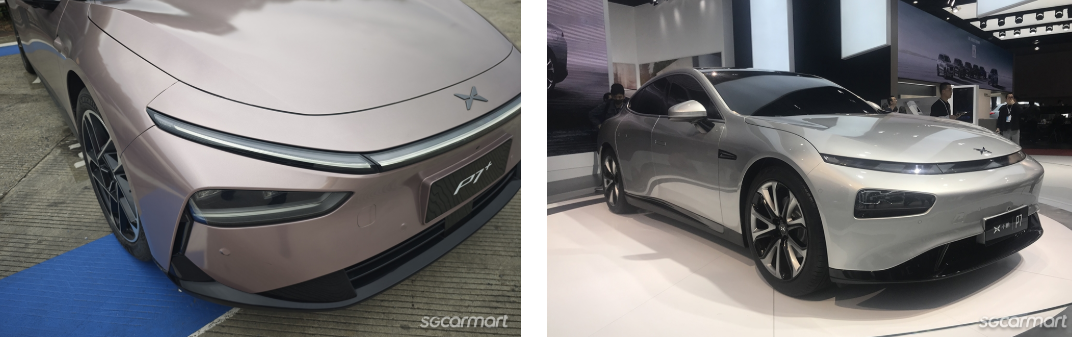
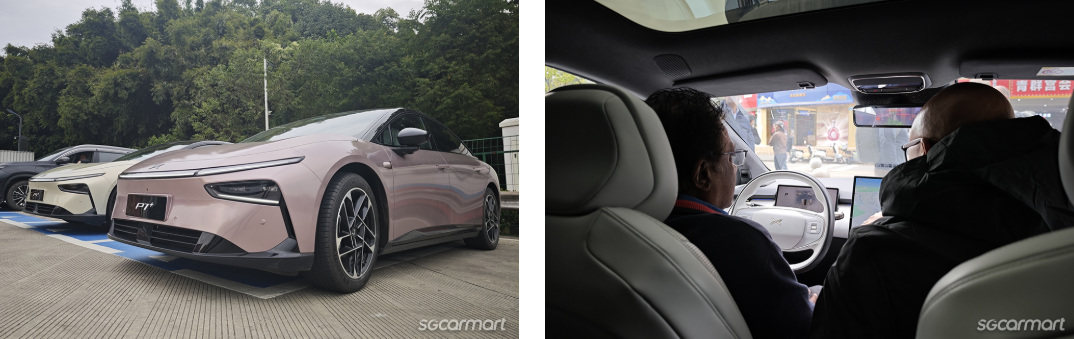
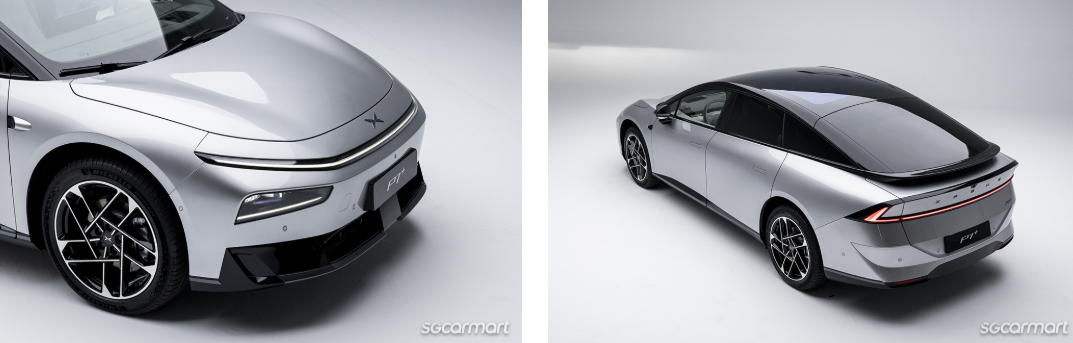
On the design department, the P7+ actually looks heavily influenced by the original P7 (pictured above in silver) and P7i, featuring a similar front light strip and separate main beam design that kind of looks like Xpeng’s X logo.
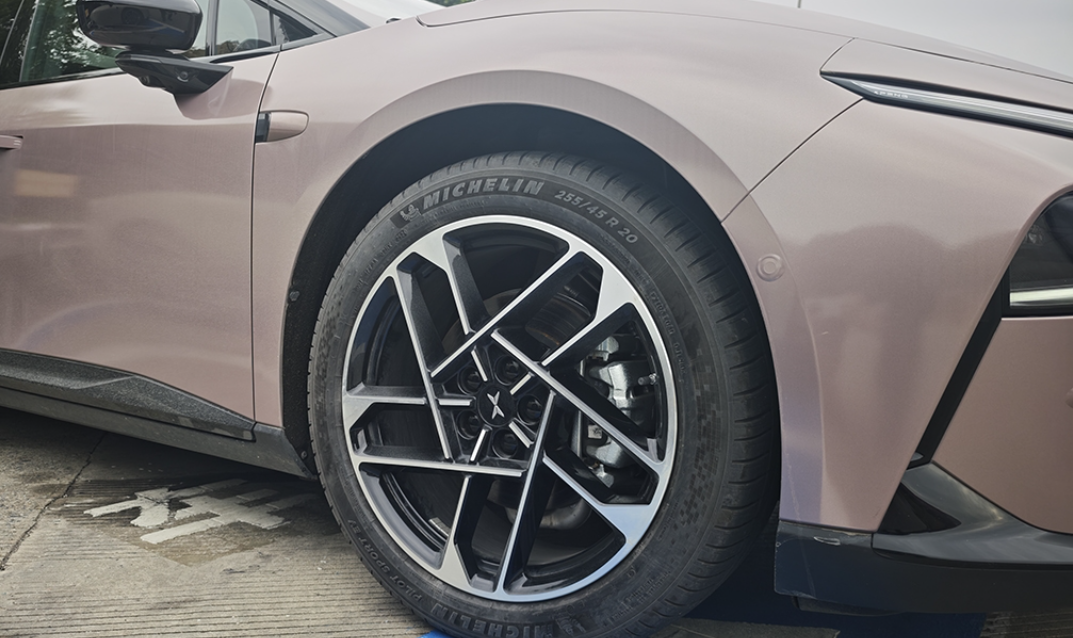
On the side of the car, Xpeng’s clean and fluid design cues are clear to see — unlike other brands, there aren’t complicated creases on the bodywork, just a vague shoulder line and clean sheetmetal.
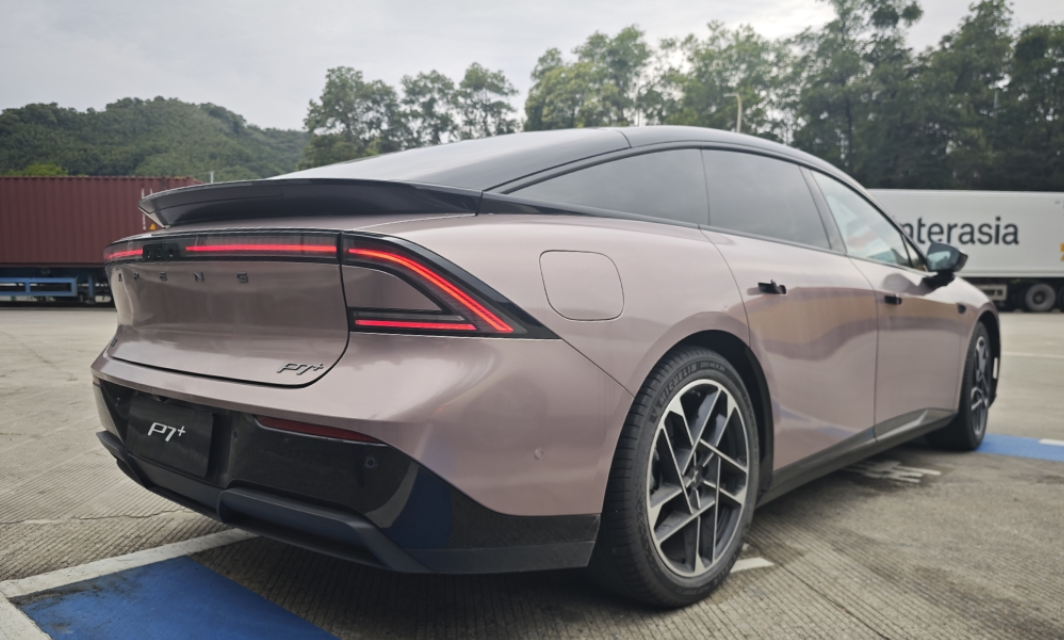
The most interesting design element lies in the greenhouse area of the P7+. The car has incorporated a ‘two-piece’ design that comprises of a ‘cabin module’ and the body of the car. This resulted in the intriguing two-tier design of the car — from the rear you’ll notice a duck tail that extends from the greenhouse of the car, separated from the actual boot lid.
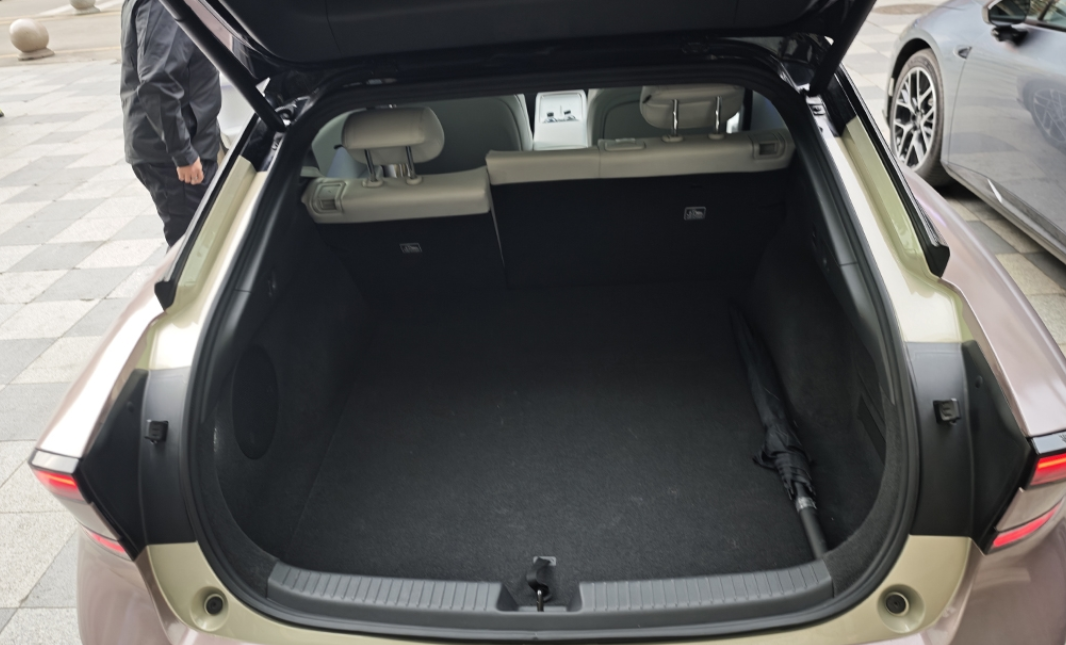
Intriguing design aside, the P7+ is truly made for utility — despite being a sleek liftback, the car offers up to 1,904 litres of cargo space with a 2.1 metre load length — easily comparable with stationwagons.
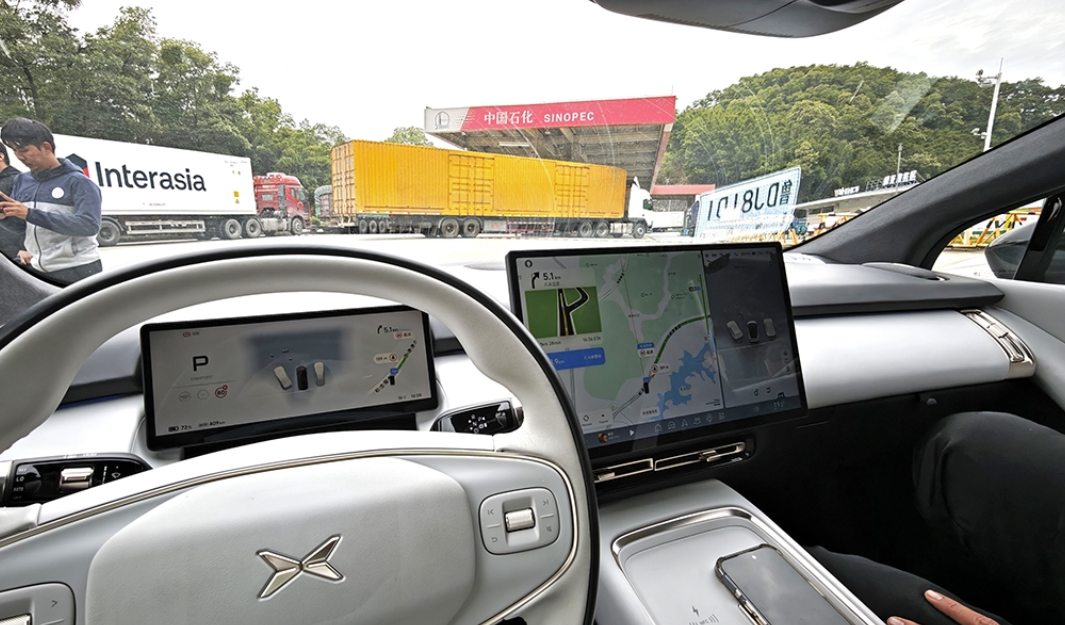
A smart, high-tech sedan
Space aside, the other selling point of the P7+ lies in its tech. Being a tech company, Xpeng has invested sizeable effort and money into smart systems and AI technology, many of which have found their way into this car.
The P7+ is equipped with 11 cameras, three millimetre-wave radars and 12 ultrasonic radars to offer a safe, reliable and extremely smart L3 driving assist system.
During our drive with the P7+ on the complex roads of Guangzhou, I ended up using the car’s NGP (Navigation Guided Pilot) function for the bulk of the time. Being an L3 autonomous driving assist system, the car is able to do much more than what we are used to with cars in Singapore.
The P7+ was able to navigate rather complex traffic situations — it will form up accordingly at the lights, overtake and give way when necessary, and is even able to navigate through unexpected obstructions such as road works.
And even though the car is among the first models from Xpeng to utilise a full vision-based system (without LiDAR), the P7+’s autonomous driving system works like a charm.
Tech and comfort goes hand in hand
Matching the intelligence driving assist systems on the P7+ is the equally high tech engineering and features within the car.
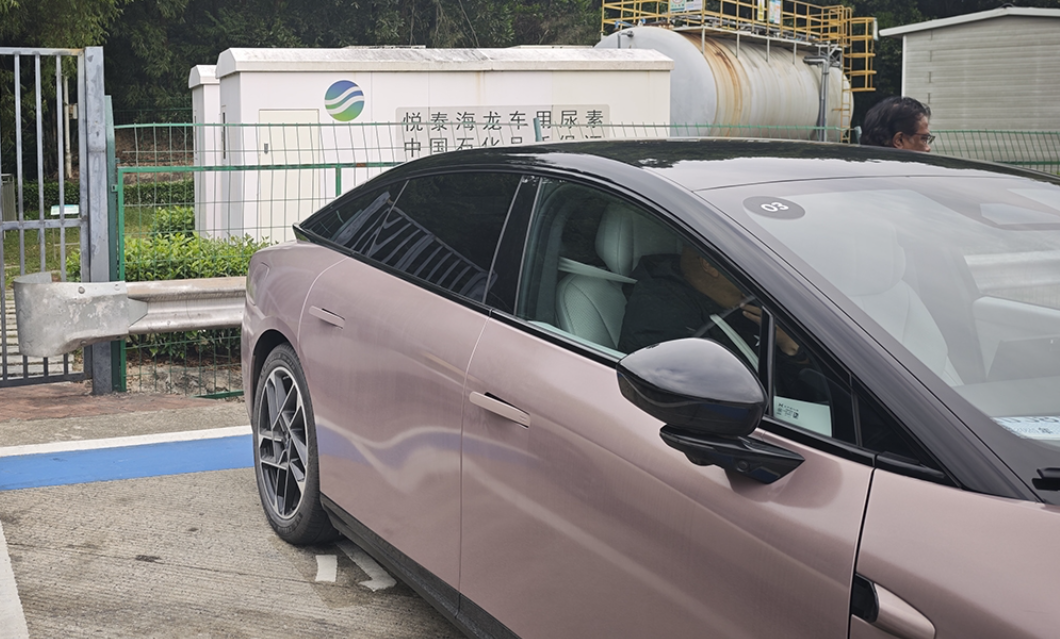
With an extremely rigid body, front double wishbone, rear multi-link suspension, and adaptive damping, the P7+ offers a confidence inspiring and safe drive. But above all, it also adds to the comfort of the experience — be it on the city streets or on the expressway, the P7+ glides along with composure and great insulation.
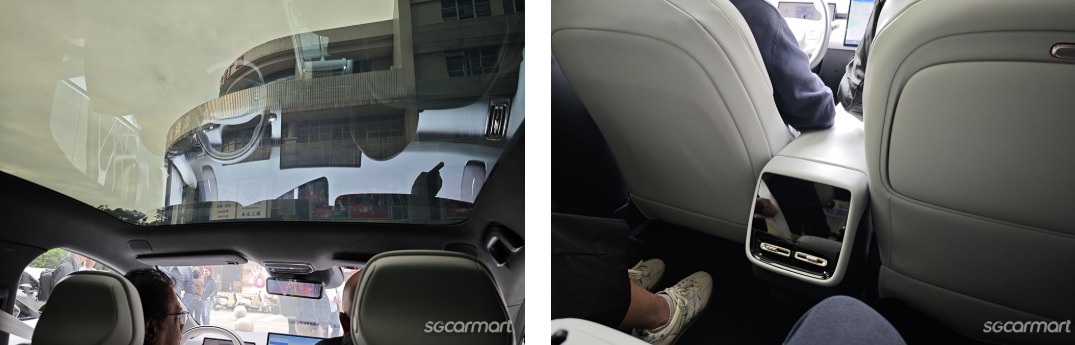
While the large 15.6-inch infotainment display takes centre stage in the cabin, the rear passengers also gets a touchscreen display that handles various seats, aircon and music adjustments. Both the front and rear seats are electrically adjustable and equipped with heating, ventilating and massage functions.
Although the P7+ is offered only in single rear motor guise, with variants that put out either 180kW (241bhp) or 230kW (308bhp), both variants put out some 450Nm of torque, which meant the car never felt sluggish on the entire drive.
A good car that we might not be getting
The P7+ is a spacious and seriously smart car — however, there are no existing plans for it to enter Singapore just yet. And honestly, if the authorities aren’t going to allow L3 autonomous systems, we won’t be able to enjoy the P7+’s technology to the fullest.
Furthermore, the abundance of space presents itself as a double-edged sword — the sheer size of the car makes it less manoeuvrable and could even be troublesome to drive on our packed city streets.
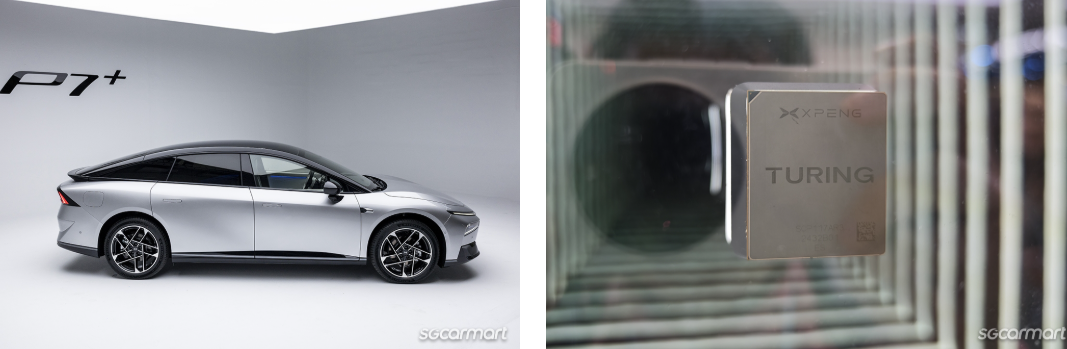
While the P7+ that we drove was already cutting-edge, we also got to get up close with the upcoming 2026 updated P7+. Although the car looks almost identical on the exterior, the new P7+ will be equipped with Xpeng’s own Turing AI chip, which translates to more processing power for even better autonomous systems.
The interior of the 2026 P7+ has also been given a slight update, but it remains to be a large, spacious and smart liftback sedan.
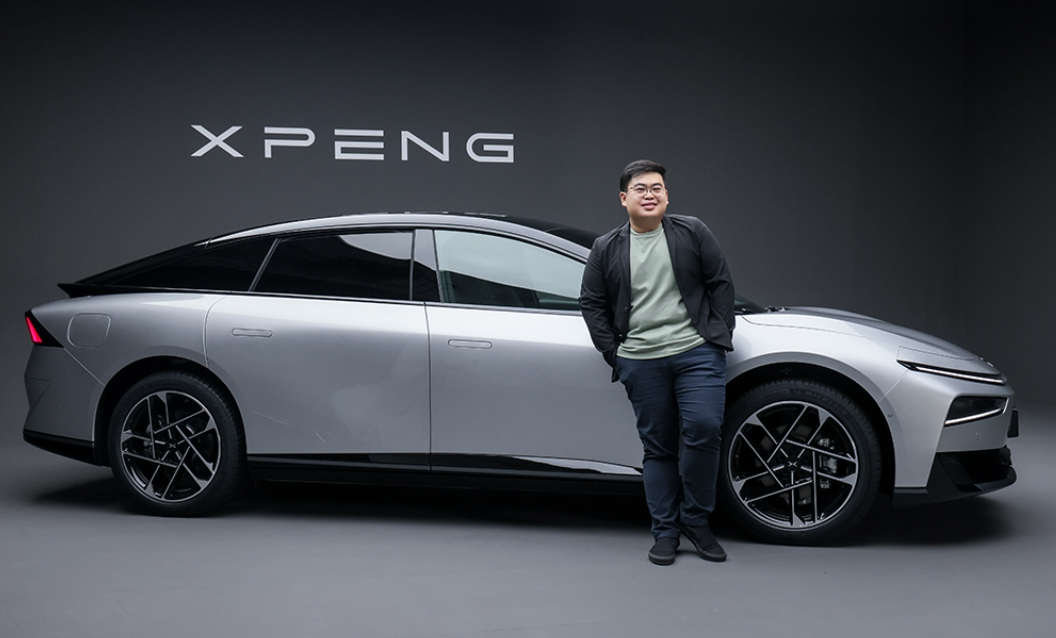
From my short time with it, I found the P7+ to be a great product. However, I seriously wonder if Singapore is ready for a product like this: Most of its tech and intelligence would have to be restricted and squandered if the car is to be introduced here.
What we like
- Interesting two-tier body design
- Easy to drive
- Smart L3 autonomous capabilities
- Maximum space and utility
- Confidence-inspiring handling with good ride quality
What we dislike
- It’s not coming to Singapore
- A little too big for our roads
[[nid:727740]]
This article was first published in sgCarMart.
Read the full article here