




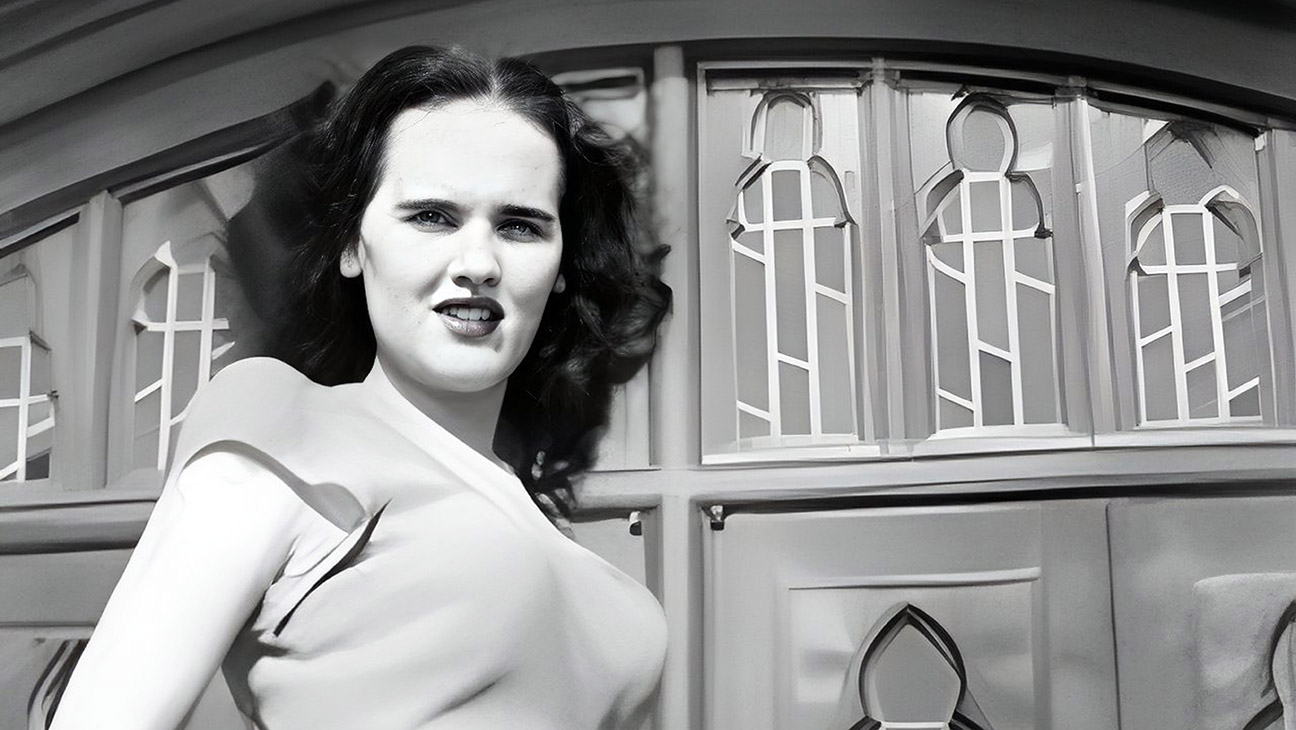


Author William J. Mann’s 2014 true-crime tome, Tinseltown, interrogated the unsolved killing of director William Desmond Taylor and its impact on the early film colony. Now his midcentury-set sequel, Black Dahlia, seeks to recount the life of Elizabeth Short, which has long been eclipsed by her lurid death.
“The topic has been ‘done’ many times, but it hasn’t been done correctly,” insists Mann, who’s also written biographies of Humphrey Bogart, Katharine Hepburn and Barbra Streisand. “There’s more to the story than trying to crack the case. I wanted to find Elizabeth Short, not the killer. I was interested in her agency, her drive, her ambition. She’d been erased. This was about restoration.”
Short’s 1947 homicide achieved its lasting place in American culture both because of its savagery — her face had been slashed ear to ear and her body bisected at the waist and left in a vacant lot in L.A.’s Leimert Park — as well as the memorable moniker the press gave to the dark-haired Short. It was in reference to The Blue Dahlia, a noir film written by Raymond Chandler and starring Veronica Lake that was released the year before she was killed.
In death, Short became an avatar of postwar anxiety about perceived home-front social disorder. “When the men came home, the women were expected to leave the jobs they’d taken in factories and offices to marry and have children,” Mann says. “That there were all these single women like Elizabeth Short out in the cities made people very nervous.” He adds, “We now think the Black Dahlia case is old. But women are still being blamed for their murders because of how they lived their lives.”
As for Short’s killer, Mann sifts through the evidence against the many suspects who have been surfaced over the decades, including Leslie Dillon, who would sue the city for the equivalent of millions of dollars today.
“The only one I couldn’t exonerate was Marvin Margolis,” he says, referring to a Short roommate with apparent PTSD from his experience during World War II who, as a USC pre-med student, had experience with cadaver dissection.
In December, news broke of evidence suggesting that the late Margolis may also have been the “Zodiac Killer,” responsible for the likewise mythic series of Bay Area homicides in the late 1960s. “I’m open to it,” offers Mann, though his own temperament is such that he is far from ready to close any case, particularly Short’s — despite having just spent the past half-decade working on a definitive book about it: “I think it’s hubristic to say, ‘I solved it,’ even though some very good detectives couldn’t solve it all those years ago, when they were closer to the suspects and the evidence.”
This story appeared in the Jan. 29 issue of The Hollywood Reporter magazine. Click here to subscribe.
Read the full article here