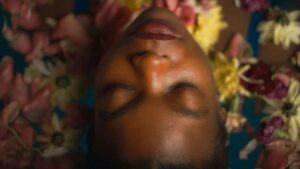


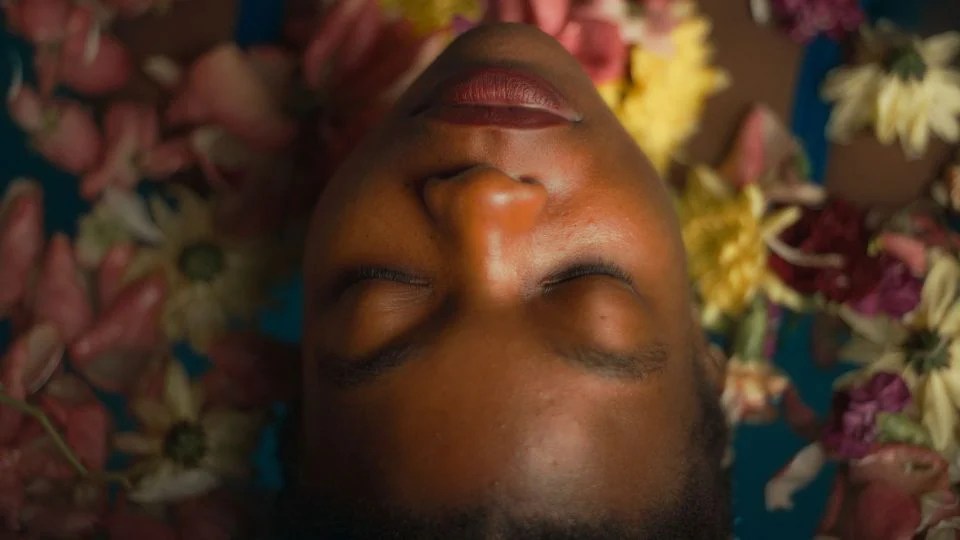


Tanzania-born director Neema Ngelime is working on her feature documentary debut. And the essayistic project has a title with poetic vibes: The Ones With the Tempered Flowers.
It was among the works-in-progress presented at the 2026 edition of Open Doors, the Locarno Film Festival‘s co-production platform and talent development program for filmmakers from equity-seeking communities and regions where artistic expression is at risk.
The Tanzania-Kenya co-production is being produced by Ivy Kiru. The filmmaker has so far made shorts, namely A Country In A Corner, Hooyo, Why Here and An Ode to A Time I Loved Bread. At the end of the Locarno Open Doors program, her new project won the Sørfond Award and the ARTEKino International Award .
THR has compiled highlights about the movie and insight from Ngelime about The Ones With the Tempered Flowers and the themes it explores.
Synopsis
For Neema, being a woman has always meant a script: school, marriage, babies. When a doctor tells filmmaker Neema that having children might be hard, she doesn’t expect it to confuse her. Those expectations wound her. Raised in a multi-religious home, her identity was forged by questions of what is haram and what would please Jesus. All Neema cared about was which hell she’d end up in.
To her, the older women in her family are a mystery beyond work and family. Their lives feel prophetic to her own. She and her sister try to rewrite their scripts through tarot. Her father taught her that anything is possible. Now he reminds her of her fate.
She stages performances with her family, reenacting fragments of their lives. They believe these are fictions. But they’re memories, repurposed, hidden truths surfacing through play. This is the story of a woman studying her body’s relationship to self, society, and the political weight placed on women’s bodies in Tanzania, challenging duty masked as love.
Director’s note
Growing up felt like watching the women I loved fade into mysteries. Now, with fibroids, a condition society pins on “unused” womanhood, I fear becoming a mystery too, lost to the weight of expectations. The women in my life shaped me deeply, yet I knew little about who they were before becoming mothers or wives. This erasure fills me with grief.
Through this film, I channel that grief, exploring how families shape dreams, identity and autonomy. I look inward and center myself and my family to reflect on my past and imagine my future. The film relies on metaphor to reflect the absurdity of how womanhood is confined. It captures the reality of existing in a patriarchal world, where women are bound by timed beauty and defined by their choice to give birth. While rooted in the experiences of young African women, it speaks to a universal audience, inviting viewers to reflect on their own relationships with identity, self-expression and societal constructs.
What was the inspiration for you, personal or otherwise, to want to make this film?
The film itself starts from a personal point of view, from my confronting and going through an
existential crisis because of my diagnosis. When I got my diagnosis, I was angry that I found out
so late in life that this could happen, and angry at how it could happen. I was also angry at how
little interest there is in understanding women’s bodies.
Out of that, the film became about someone wanting to find answers. So in a way, this was my way of creating a space for people going through what I’m going through, a space to talk. But mostly, it was a way to have these conversations with the people close to us, i.e. our families. Making my small inquiries with the people I love, that is the inspiration.
Can you share some thoughts on how universal the themes of the film are, and why people outside your home should see it?
The universal themes are womanhood and its place in 21st-century society, identity, and curiosity as an act of care across generations.
Do you know what the next step or focus for you and any collaborators on the film will be after Open Doors?
We’re going back home with so much clarity, thanks to the guidance we’ve received. I’m going to
continue my treatment, and the project will also participate in the Durban FilmMart in October,
and the Sørfond pitching event in November
Read the full article here