







Believe it or not, it’s nearly been three years since the 2023 actors’ and writers’ strikes. Which means that a new season of labor negotiations is upon us. In fact, it’s less than two months away.
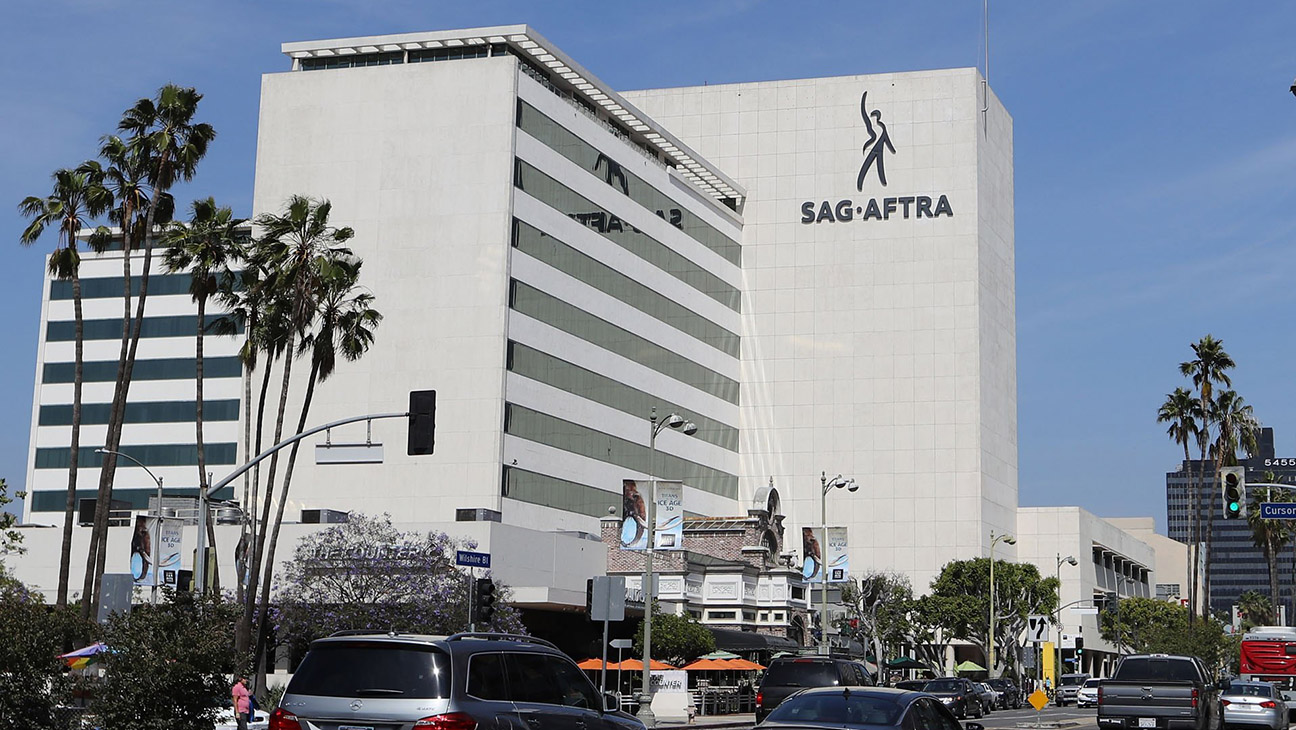
SAG-AFTRA announced to members on Thursday that it will kick off the bargaining cycle early in 2026. The union’s negotiations for a new three-year agreement with the Alliance of Motion Picture and Television Producers will begin on Feb. 9, 2026, making it the first major union to begin negotiations next year.
If an agreement is not reached within this early timeframe, the labor group has additionally earmarked another period (the dates of which were not disclosed) with employers before its current labor agreement expires on June 30.
In a statement, the AMPTP said it looked forward to the negotiations. “We are optimistic that the AMPTP can make progress toward an agreement that promotes long-term stability in our industry,” the group added.
Hollywood’s three major unions — SAG-AFTRA, the Writers Guild of America and the Directors Guild of America — typically negotiate their three-year deals within the same year.
The order in which they negotiate matters because the first agreement reached between the two parties can set a “pattern,” or a deal that can serve as a template for other unions on shared issues. So, for instance, if SAG-AFTRA agrees to a four percent raise in the first year of the contract, it may serve as a kind of standard for the next union that sits at the bargaining table, making it harder for the AMPTP to negotiate a lower raise in that year or for the union to negotiate a higher raise.
That’s not to say so-called “pattern bargaining” is the law of the land — departures can and do happen, like when the WGA won a streaming success bonus and access to viewership data in the fall of 2023 that the DGA, which had previously struck a deal, had not. The directors’ union then retroactively negotiated those same perks in 2023. And all the unions have their own unique issues and points of leverage. But it’s a dynamic that has historically been at play.
“Our preference has been to start early for both practical and strategic reasons,” union president Sean Astin and the group’s chief negotiator, Duncan Crabtree-Ireland, explained in their message to members. “Because we represent such a varied membership, starting early leaves plenty of time to have every proposal properly negotiated. Also, we enjoy greater leverage by reducing the amount of time the companies have to stockpile inventory. Finally, we believe this approach has the greatest likelihood that the nascent but much-needed resurgence in domestic production activity be protected.”
It’s not yet clear which issues SAG-AFTRA will prioritize next year. The union undergoes a series of engagement sessions with its members to determine the greatest concerns for them, called its “wages and working conditions” process, which is underway. Nevertheless, it’s obvious that the union will need to update and modernize its AI protections as the technology rapidly develops.
In their message to members, Astin and Crabtree-Ireland appeared to be attempting to walk a tightrope between assuring their members they weren’t looking to pick a fight in 2026 but also weren’t going to take the first deal offered to them.
“It doesn’t have to be a dramatic process,” they wrote. “The companies have indicated that they are interested in a respectful and productive negotiation. We are interested and prepared to engage with them in a spirit of good faith and with the desire to work cooperatively with total focus on delivering strong results.”
But the union leaders added, “We, of course, remain vigilant.”
Sitting across the table from union negotiators this year will be a new negotiations head for the studios and streamers, Gregory Hessinger. Hessinger replaced longtime AMPTP chief negotiator Carol Lombardini earlier this year and has a great deal of experience with the union: He was once the national executive director of the Screen Actors Guild (SAG) and, separately, the American Federation of Television and Radio Artists (AFTRA) before the two merged in 2012.
“The journey begins again,” Astin and Crabtree-Ireland said in conclusion to their letter. Indeed it does, whether the industry feels ready for it or not.
Read the full article here