



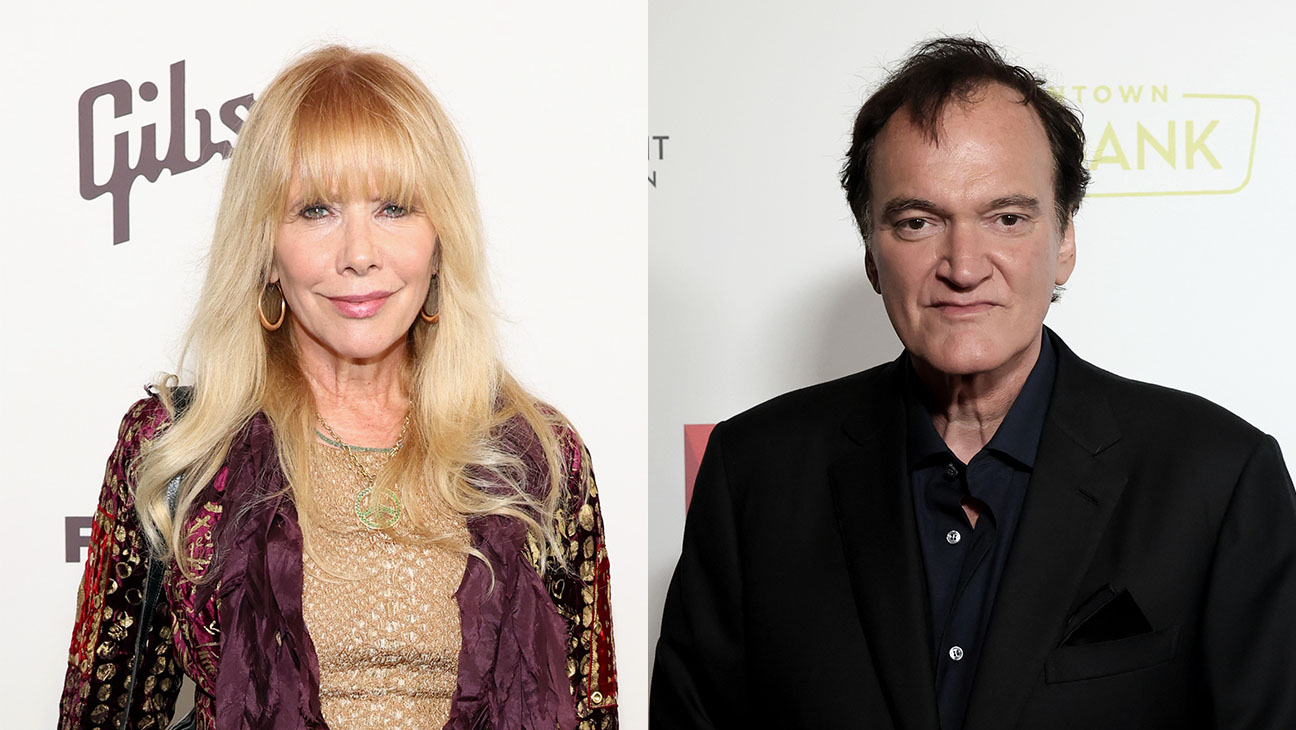

Quentin Tarantino has fired back at Rosanna Arquette after the actress criticized the writer-director’s use of the N-word in his script for Pulp Fiction.
Arquette, who played the character Jody in the 1994 crime thriller, had recently told The Times UK that the acclaimed film is “iconic, a great film on a lot of levels. But personally, I am over the use of the N-word. I hate it. I cannot stand that [Tarantino] has been given a hall pass. It’s not art, it’s just racist and creepy.”
Tarantino released a statement to media outlets in response to Arquette’s comments late Monday, which reads in full:
“Dear Rosanna,
I hope the publicity you’re getting from 132 different media outlets writing your name and printing your picture was worth disrespecting me and a film I remember quite clearly you were thrilled to be a part of?
Do you feel this way now?
Very possibly.
But after I gave you a job, and you took the money, to trash it for what I suspect is very cynical reasons, shows a decided lack of class, no less honor.
There is supposed to be an esprit de corps between artistic colleagues.
But it would appear the objective was accomplished.
Congratulations
Q“
(An “esprit de corps,” by and by, is defined as “a feeling of pride, fellowship, and common loyalty shared by the members of a particular group.”) The Hollywood Reporter has reached out to a rep for Tarantino.
Several Tarantino characters have used the N-word in his films, which has sparked criticism over the years from others such as Spike Lee.
During a 2022 appearance on HBO Max’s Who’s Talking to Chris Wallace, Tarantino replied to a question about the violence and racial language in his films by saying, “Then see something else. If you have a problem with my movies then they aren’t the movies to go see. Apparently, I’m not making them for you.”
Samuel L. Jackson, who has starred in several Tarantino films, including Pulp Fiction, has defended the filmmaker on this front. “You can’t just tell a writer he can’t talk, write the words, put the words in the mouths of the people from their ethnicities, the way that they use their words,” he said to Esquire in 2019. “You cannot do that, because then it becomes an untruth; it’s not honest. It’s just not honest.”
While Jamie Foxx told Yahoo Entertainment in 2018 while promoting Django Unchained that the word in the film was historically accurate. “The N-word was said 100 times, but I understood the text — that’s the way it was back in that time,” he said.
Read the full article here