






At 7am on a weekday, most Singaporeans are packed like sardines on public transport, heading to their nine-to-six corporate jobs.
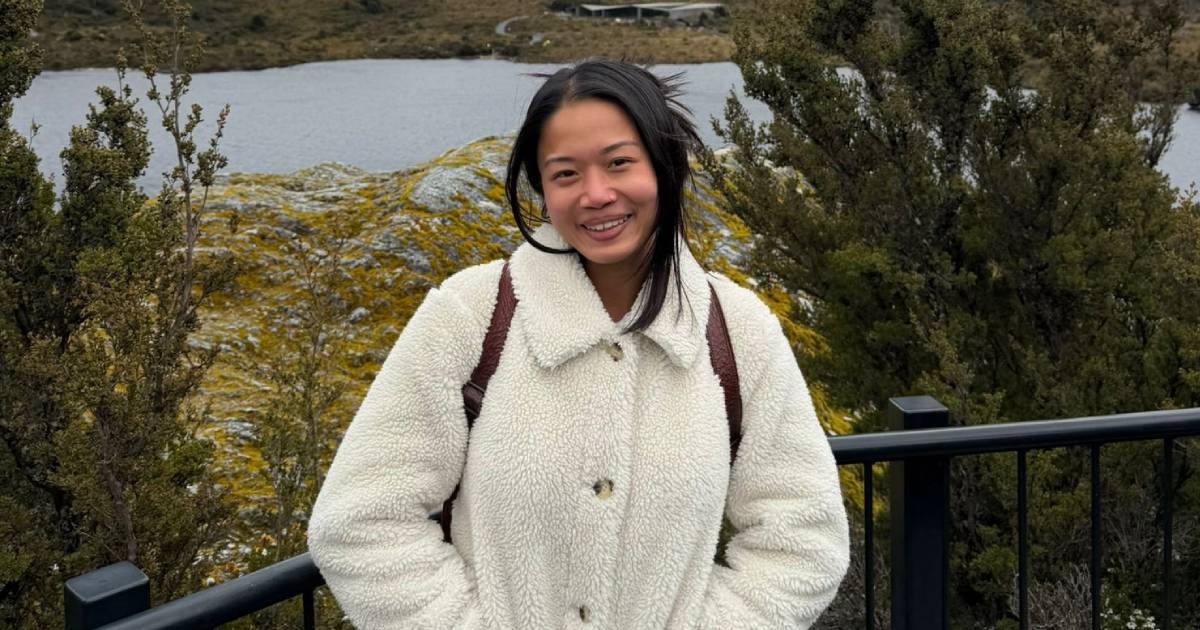
That used to be Olivia Ang’s life before she moved to Australia. Nowadays, she spends her summer mornings swimming at the beach before starting work.
She also clocks off on time at 5.30pm every day, which gives her the freedom and flexibility to rest and spend quality time with herself and her loved ones.
“People here really take work-life balance very seriously,” the 29-year-old Singaporean, who is based in the Gold Coast, told AsiaOne in a recent interview.
“There is even a law in place called the Right to Disconnect, which states that employees don’t have to respond to their boss after work hours, as long as it is not a life-and-death situation.”
Back when Olivia was working her first job in Singapore, things weren’t as flexible.
After graduating from Nanyang Technological University with an accounting degree, she worked for three years in finance and accounting roles before getting retrenched in 2021.
“The first company I worked for after graduating from university was General Electric, an American multinational company. Because it was such a big company and was so old, things there generally moved a lot slower,” she said.
“I only interacted with local employees who were used to Singapore’s overtime culture, where some managers tend to micromanage and care a lot about reputation.”
Employees weren’t able to leave the office on time for fear of having people think they were lazy, Olivia noted.
Things changed for the better after she landed her current role at global HR and payroll software company Employment Hero, where she works as an account executive.
She joined the company’s Singapore office in 2022. After a year and a half of working there, she requested to be transferred to the Australian team and officially moved to Australia in March 2024.
“I’ve always wanted to move to Australia since I started work in 2019 — it has been a goal of mine. When I got the job at Employment Hero, I knew that they were an Australian company, so I thought there was a chance to move overseas,” Olivia said.
One major perk of her job is that it is fully remote for employees in the Singapore and Australia offices.
While the overall working environment for both offices is similar, Olivia shared that there are some differences, such as the way colleagues speak to each other or approach problems at work.
The work-life balance continues outside of work.
“So far, from my observations, people here are generally more relaxed. They are not as result-oriented, not as competitive, which of course can be good or bad,” she explained.
Olivia added that Australia has a lot of options when it comes to lifestyle.
“If you want to work super hard, make a lot of money, and spend your money on expensive cars and a big house, you can do that. And if you want to be a carpenter or become a strawberry farmer, you can also do that,” she said.
“This is compared to Singapore, where options are a lot narrower, because we just don’t have the land and resources, so most people become corporate workers.”
Life Down Under
Olivia first fell in love with Australia during a holiday to Perth in 2019 with her mother and sister.
“When I was there, I realised that Australia, in terms of infrastructure, has a lot of similarities with Singapore. But Perth is a very slow and chill city, so the pace of life there is a lot slower,” she shared.
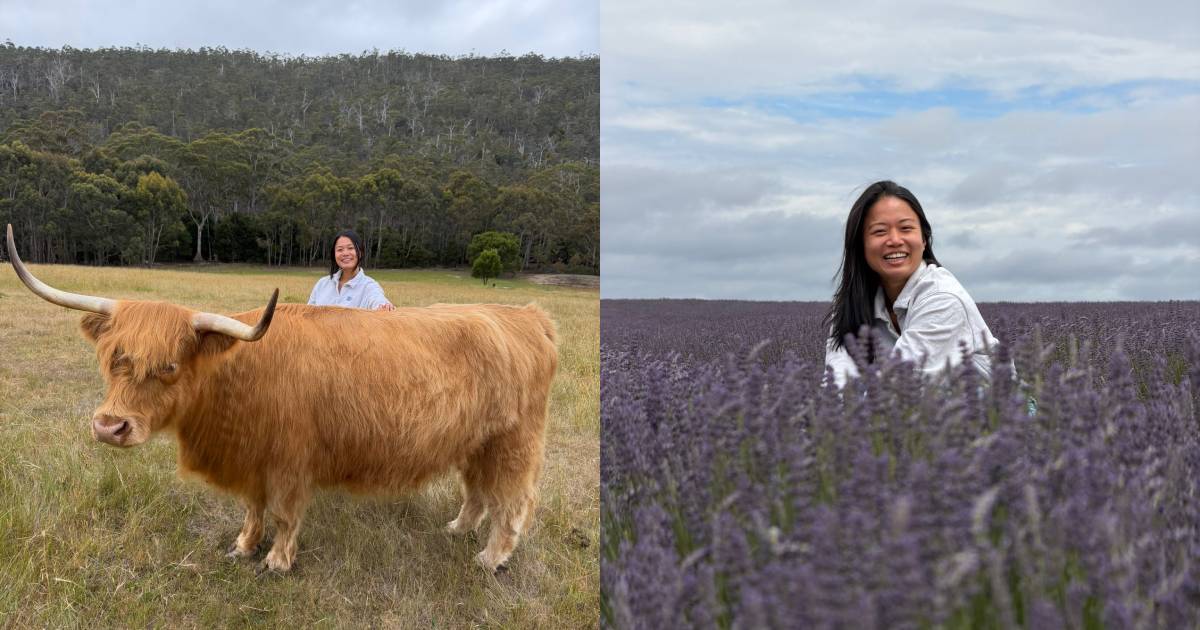
Being surrounded by nature was Australia’s main draw for the young Singaporean, who enjoys morning swims in the ocean, hiking, and visiting farms.
“I can enjoy a version of Singapore, but with a lot more nature, outdoor stuff, nicer people, and a more relaxed lifestyle. That was one of the factors for me wanting to move. It was less so about the work-life balance, but more about the abundance of nature.”

Australia was the only country she considered moving to, primarily because it is not too far from Singapore, is an English-speaking country, and has a good relationship with Singapore.
In terms of cost of living, Olivia said it is slightly lower than Singapore because Australian salaries are generally higher. But this also depends on the area one stays in.
She noted that Gold Coast is a fast-growing city, which means higher housing prices.
“It’s slightly above average but not crazy exorbitant,” she told AsiaOne, adding that Sydney is one of the most expensive Australian cities to live in.
“If you’re in Sydney or Melbourne’s city centre, it is usually more expensive. But if you’re on the outskirts, your rent and certain things will be cheaper.”
When Olivia was renting an apartment with a housemate in Maidstone, which is 20 minutes west of Melbourne’s central business district, she paid $315 a week for rent and $150 a month for utilities, which came up to around $1,410 a month.
Meanwhile, her other living expenses such as groceries, eating out, and transport fees added up to around $1,500 a month.
After living with a housemate for a year, she moved in with her Australian boyfriend’s family on the Gold Coast in March 2025.
While Olivia’s in the midst of applying for permanent residency in Australia, she plans on keeping her Singapore citizenship.
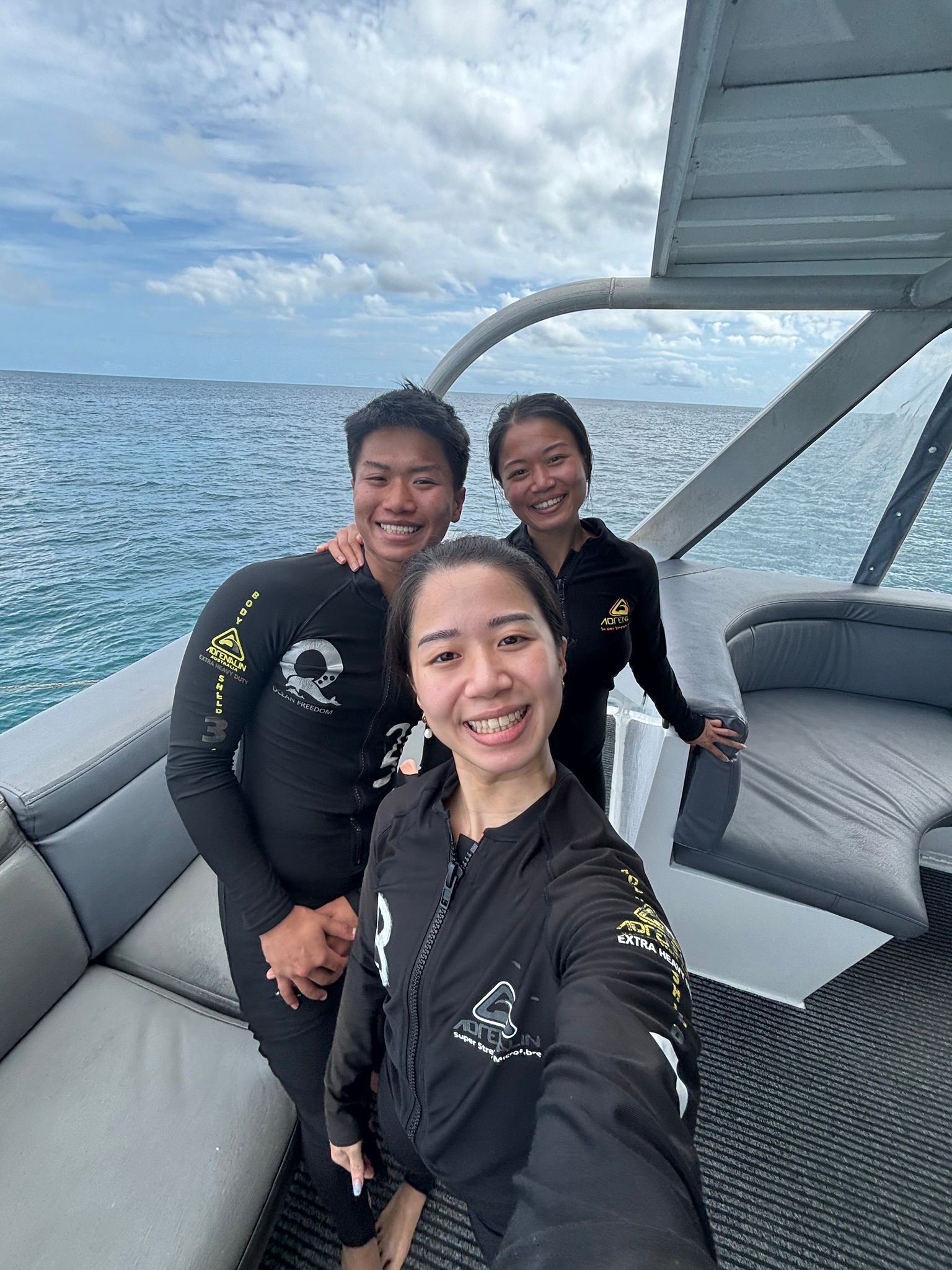

Although she and her partner have no plans to buy a house for now, she shared that it’s easier to purchase one in Australia.
“The good news is that the rules here are a lot more relaxed than Singapore’s. There is no such thing as Build-To-Order (BTO) flats or the need to get married first before you can get a house,” Olivia said, adding that in Singapore, it’s rare to find a freehold home as most houses have leases for 99 or 999 years.
“Whereas in Australia, if you buy a property, it is yours forever. These are actually some of the reasons why I didn’t want to live in Singapore anymore,” she said.
“The BTO and public housing concept are good and appeal to Singaporeans, but I just found that for me, personally, it’s not something that I wanted for myself because I didn’t want to feel the pressure of having to find somebody to marry just so I can buy public housing.”
Despite these upsides, there are also cons to living in Australia, with a major one being public safety.
When she first moved to Melbourne, Olivia was scammed out of $6,000 while trying to buy something off Facebook Marketplace.
In another incident, her Uber was hijacked mid-ride.
“I was in the car when suddenly, when the car stopped at the traffic light, somebody jumped into the vehicle and started arguing with the driver,” she recounted.
Olivia also cited the recent Bondi Beach shooting as an example.
“These are things that you will never hear happening in Singapore,” she said.
Another issue Olivia brought up is cleanliness, which depends on the area a person is in.
“Melbourne’s city centre is super dirty. You will see a lot of litter everywhere. Singapore is definitely way cleaner,” she said.
Olivia, however, still loves Australia and hopes to stay long-term.
“The cons are not so bad to the point where I start considering if I want to continue staying here. You just get used to it,” she said.
Getting used to being alone
Packing up your life and moving abroad can be an intimidating process, but Olivia’s journey was quite smooth.
“When I put my mind to something and I set a goal for myself, I don’t really think so much about the dangers or if I’d be scared of certain things. I’m more of a ‘do first, think later’ kind of person,” she told AsiaOne.
In the first year she moved Down Under, Olivia stayed in a rental apartment in Melbourne with a housemate she found online.
Despite sharing the space with someone, she admitted that it got a bit lonely at times.
“I was alone a lot. Sometimes, it can be quite lonely because even though I live with somebody else, she’s not really my friend, she is a housemate,” Olivia said.
It didn’t help that her job was fully remote.
“From Mondays to Fridays, I don’t really see people and I don’t talk to anyone. The area where I stayed in Melbourne was also not super close to a major train station and I had no car, so it was hard for me to go out as well,” she elaborated.
It took a while for Olivia to adjust to this lifestyle.
“I just had to force myself to do a lot of things by myself,” she said.
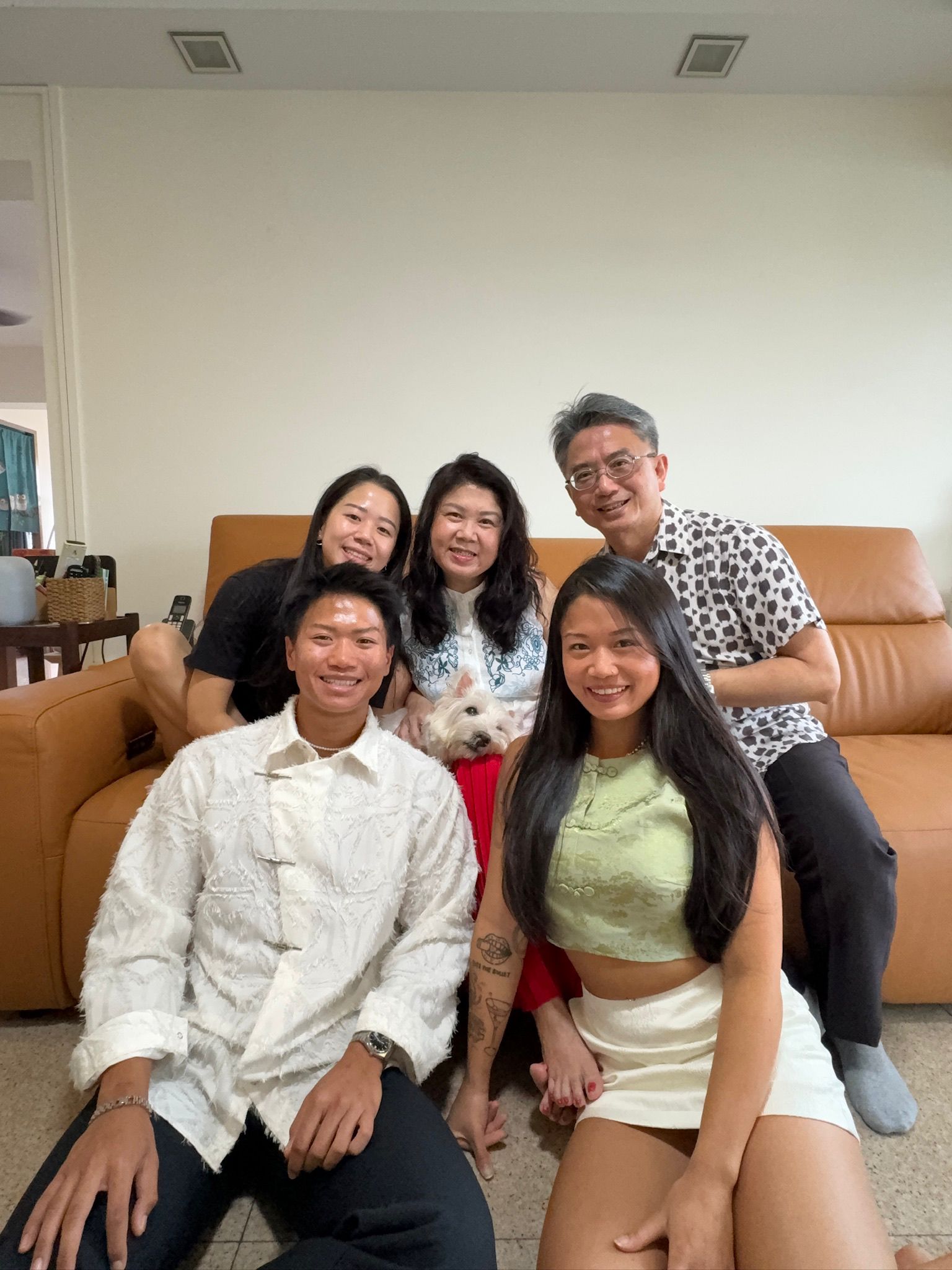
Her experience of living alone in Singapore also helped make the process easier.
Before moving to Australia, Olivia had moved out of her family home in 2021 and rented HDB flats and condominiums for a few years.
“I was already used to doing things by myself even before this,” she said.
Despite the challenges, Olivia has no regrets about uprooting her life and moving to another part of the world.
“I view my life as a big adventure. I always want to try new things, experience new things, and then if I do it and I don’t like it, I tell myself I can always go back to Singapore,” she said.
[[nid:670831]]
melissateo@asiaone.com
Read the full article here