






SINGAPORE – In 2016, when former Cabinet minister Mah Bow Tan first heard a pitch for a massive wellness facility in Singapore, he was not sold.
The idea seemed like an expensive concept for a privileged few, and he did not think it would win government support. At first, he declined to be involved.
But a year later, a trip to Therme Bucharest – the group’s 44,000 sq m facility in the capital of Romania – changed his mind.
Its wide range of visitors, including families and seniors, came out all smiles – an observation that convinced Mah it was worth bringing the facility to Singapore’s Marina Bay.
Said Mah, who was minister for national development from 1999 to 2011: “Those were the simple things that made me realise that this is something we need in Singapore. We live such a stressful, fast-paced life; we need something that helps us to destress.”
As such, the wellness attraction in Marina South, which is slated to open in 2030, will not only be targeted at deep-pocketed tourists, but also aims to bring rejuvenation to everyday Singaporeans.
The aim is to “democratise wellness”, and the cost of a ticket to Therme Singapore will be “more than affordable”, said Mah, who now chairs Therme Group Asia and Therme Singapore.
Ticket prices will be benchmarked against those of similar attractions such as spas and water parks, he said, adding that details are still in the works.
An entry ticket to Therme Bucharest with full-day access to its three zones starts at €38 (S$56) for adults. With add-ons such as massages and treatments, as well as food and drinks, a day at the Bucharest facility may cost over $100 in total.

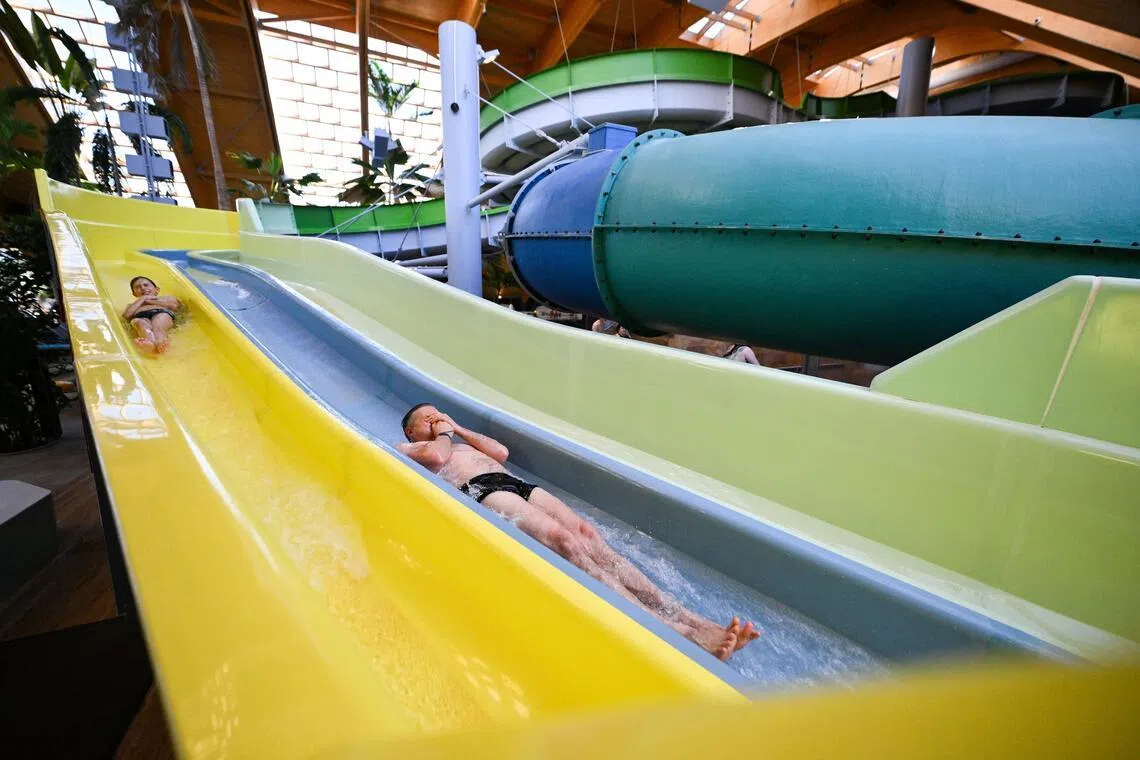
In an interview ahead of Therme Singapore’s ground-breaking on June 19, Mah said the new facility also fits the philosophy of a “liveable city” where people can feel they are a part of, a vision which he had while he was minister.
Among those who joined his team at Therme is former JTC Corporation chief executive Tan Boon Khai, who was appointed as chief executive of Therme Singapore in early 2026.
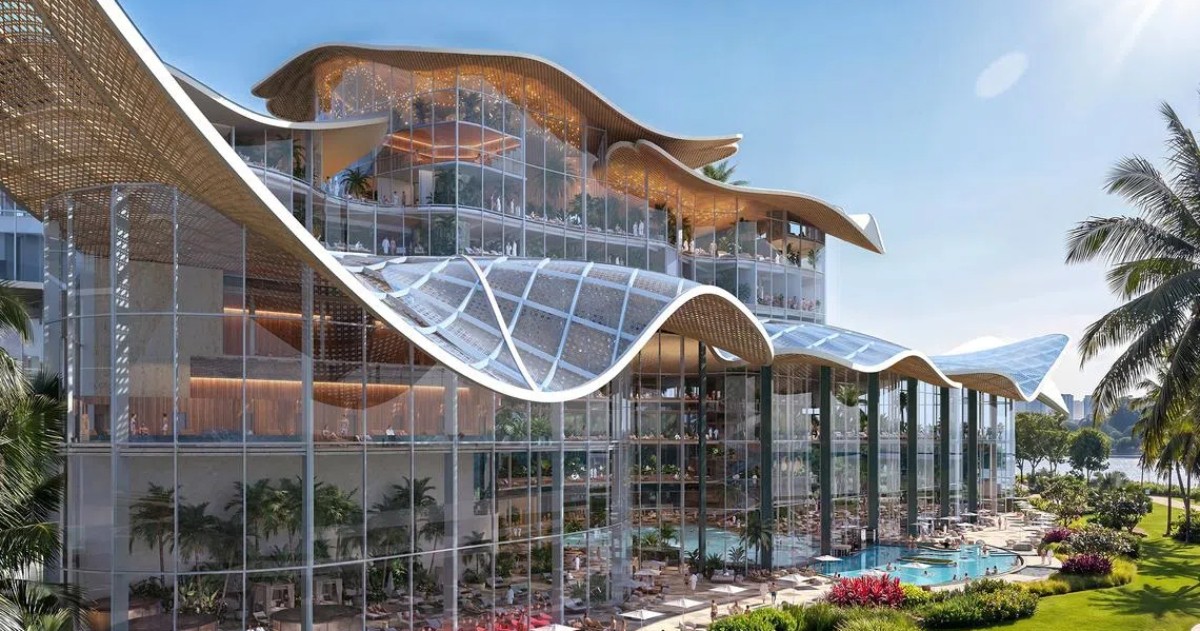
Situated next to Marina Barrage and Gardens by the Bay, Therme Singapore is a $1 billion project spanning over 720,000 sq ft of gross floor area, equivalent to over nine football fields.

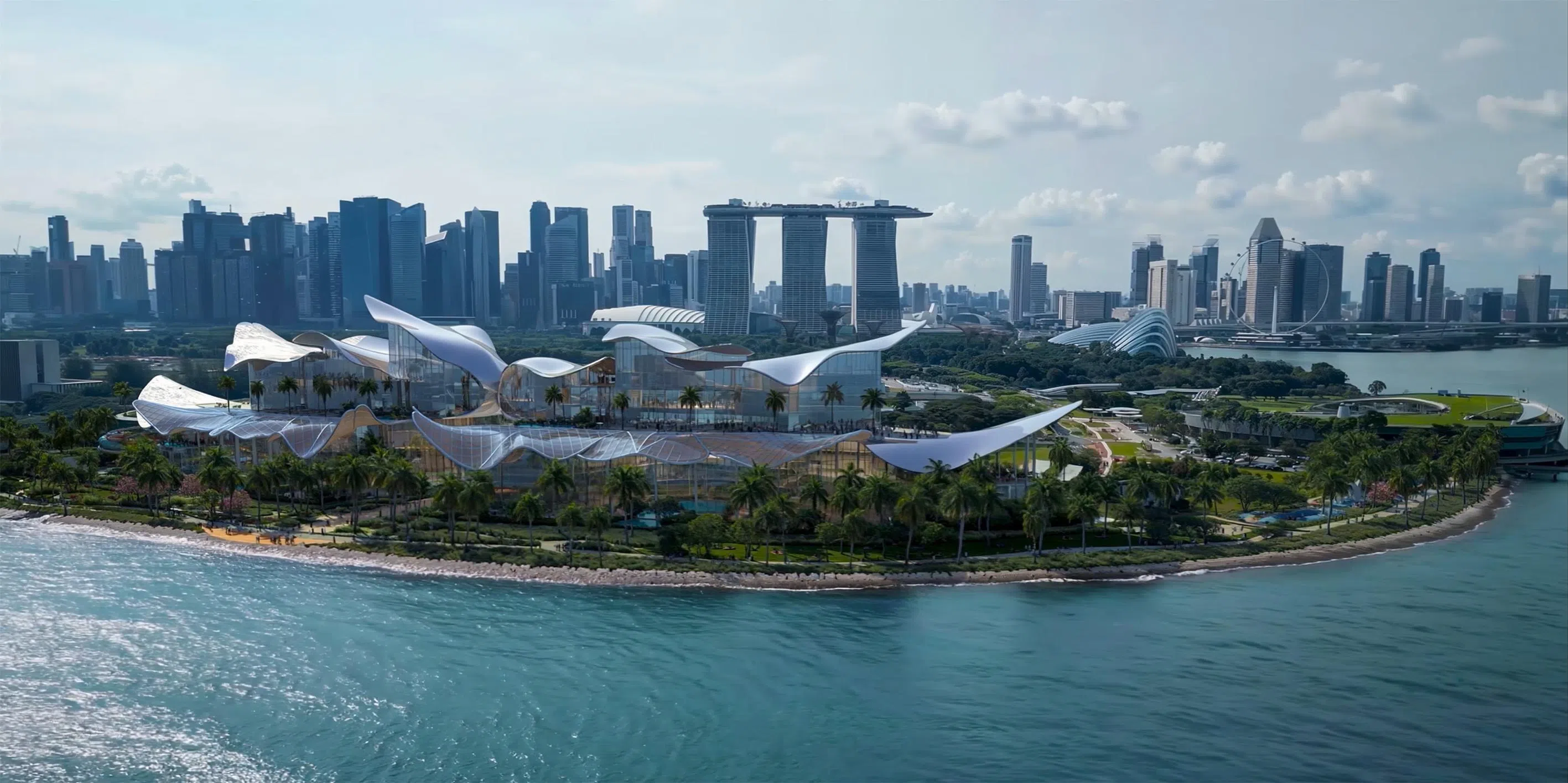
The seven-storey facility, designed by DP Architects and Therme Group’s in-house architects, will feature over 20 pools and water features, and over 70 wellness treatment rooms.
It was a challenge to find land in land-scarce Singapore, said Mah, and an opportunity came when the Singapore Tourism Board (STB) called for a tender to develop an upcoming wellness attraction in Marina South. Therme Group was awarded the tender in November 2025.
The company aims to hire about 400 people to run the facility, including a “core group” of Singaporean managers and supervisory staff, said Mah.
It signed a memorandum of understanding with the Institute of Technical Education and Republic Polytechnic on June 19 to develop skills and provide employment opportunities for their graduates in the wellness sector.
[[nid:724876]]
Not seeing others as competition
The wellness industry in Singapore is expanding, with spaces such as Chinese spa complex House+ Bubble and bathhouses like The Ice Bath Club and Nowhere Baths opening in recent years.
But Therme Group’s founder and chief executive Robert Hanea does not view these businesses as competitors. Instead, he sees them as complementary in building up the wellness “movement”.
Besides, they operate at different scales, and have different programmes and demographics, he added.
As for competition with lower-cost wellness offerings in the region, like Bali and Phuket, Hanea said Therme Singapore is uniquely situated in the city, where it wants to make an impact.

“Well-being should not be an escape from the city… (It) needs to be embedded in the fabric of the city. This idea that you need to escape the city to be well, to be healthy, to relax, to recover, is outdated,” he said.
Likening visiting the facility to going to the gym regularly as a part of one’s health routine, Mah quipped: “Once a year, go to all these (overseas) places, but every week, come to us.”
Therme Group currently runs five wellness facilities in Europe, including its flagship facility in Bucharest, which opened in 2016. Including Singapore, the group plans to launch eight similar attractions by 2030 in locations such as South Korea, Washington, D.C. and Toronto.

A 2025 New York Times investigation reported that Therme Group’s finances appeared to be “shaky” and that it exaggerated its track record in securing a deal for a wellness facility in Ontario, Canada.
The report said Hanea had “inherited” the story of his late friend Josef Wund, whose company, Therme, had developed spas across Germany. It also said Hanea’s Therme Group falsely claimed to have six operating facilities worldwide, when it had only built and operated one at the time of the 2019 Toronto bid.
A company representative said Hanea replicated Therme’s model and felt he had contributed to it through conversations and an information-sharing agreement. Therme Group fully acquired Wund’s properties in December 2025.
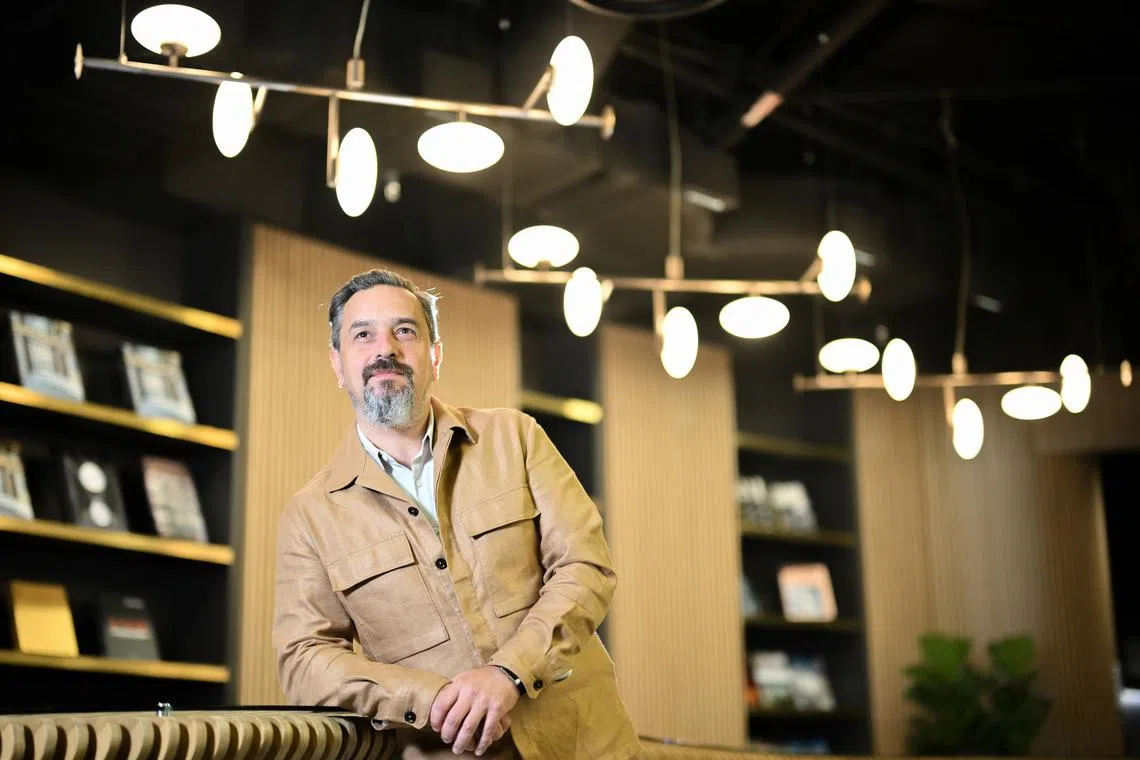
Hanea told ST that its track record has been “extensively validated” via partnerships with blue-chip international institutions and that the integrity of its bid in Canada had been confirmed by the national authorities.
Mah said he had been involved in discussions with Hanea on the Toronto facility and noted that the Canadian authorities’ validation was “very clear and very emphatic”.
“STB also reiterated the process in Singapore (for the tender bid), so I think there should be no question about the participation of Therme and the integrity of the Therme bid.”
An STB spokesperson previously said the board found “no misrepresentation of track record” in Therme Group Singapore’s tender submission for the Marina South wellness attraction.
Mah deems the new facility as an “additional jewel in the crown” in Marina Bay, among a series of upcoming projects in the area, including a new cruise terminal and the Founders’ Memorial.
He said: “The whole southern coast will change over the next decades. I think we are part of that transformation.”
[[nid:730317]]
This article was first published in The Straits Times. Permission required for reproduction.
Read the full article here