



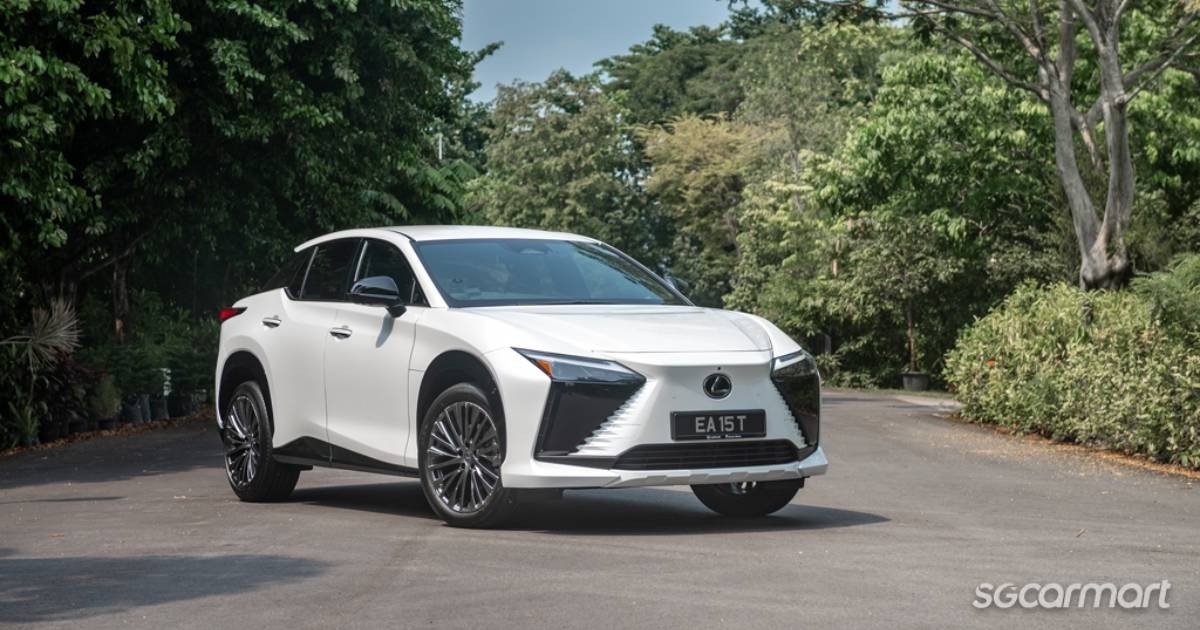


When Lexus introduced the RZ here in 2023, it was only available as the RZ450e, and its specifications were aimed at attracting keen drivers. It had two electric motors producing 230kW (308bhp) and 435Nm of torque and could sprint from rest to 100km/h in 5.3 seconds.
A sprint time of under six seconds is quick compared with most vehicles on the road. However, compared to rivals then such as the Mercedes-Benz EQE SUV or BMW iX3, the RZ450e had less range because of its smaller battery.
Now, Lexus Singapore has replaced the RZ450e with the RZ350e, which is less powerful (which means lower road tax) and has a larger battery. And it might be what buyers are looking for.

Distinct, quiet looks
It’s puzzling that the RZ is not among the first luxury EVs that come to mind for most buyers. If design is the first thing that piques a driver’s interest, then the handsome RZ should have no trouble doing so.
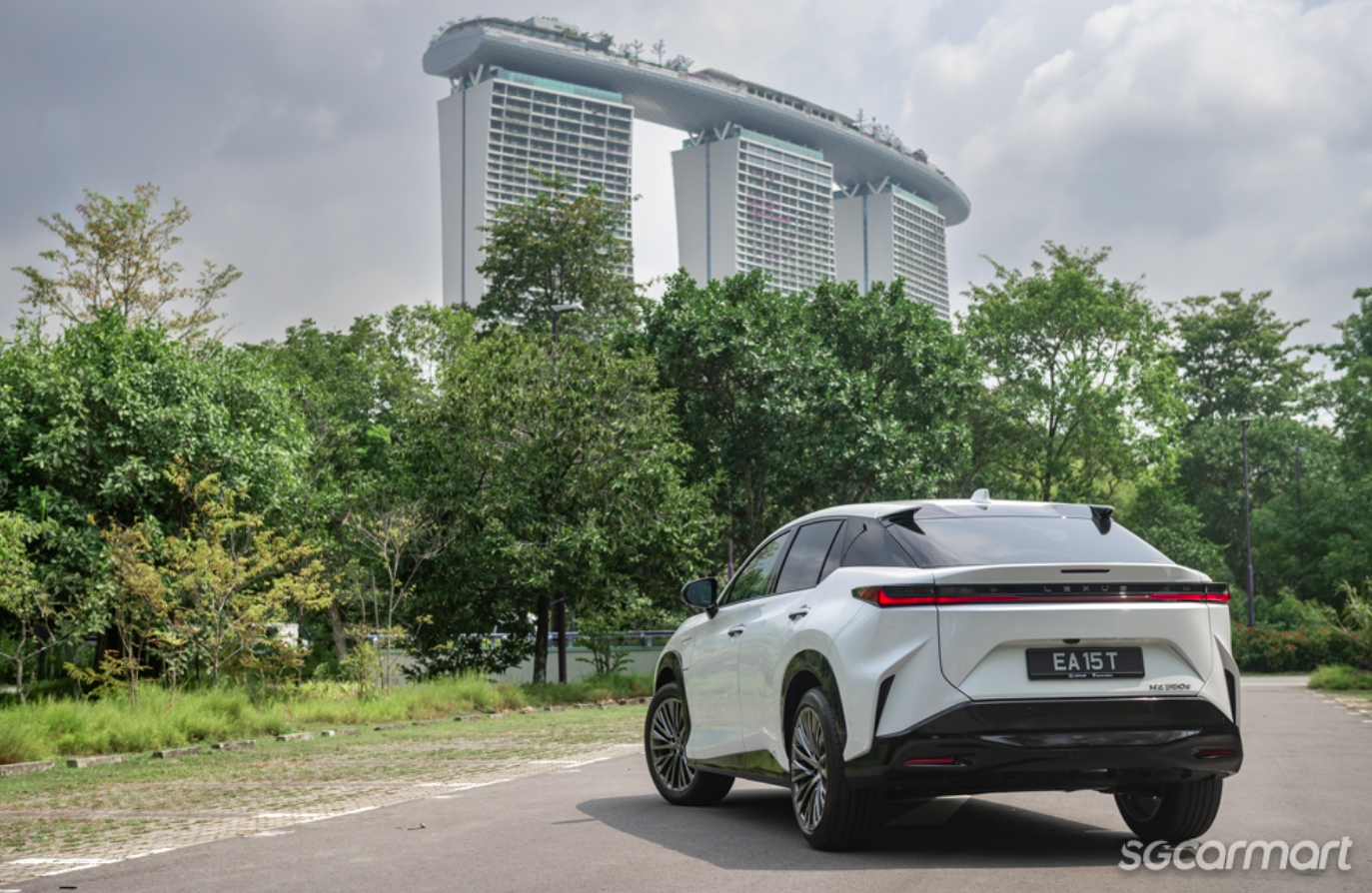
Its overall silhouette is low-slung rather than boxy, with sharp creases across its body. There’s no mistaking the RZ for another brand’s model, especially once you spot the ‘Spindle’ shape on the front bumper (there’s no grille here) and the arrow-like daytime running lights.
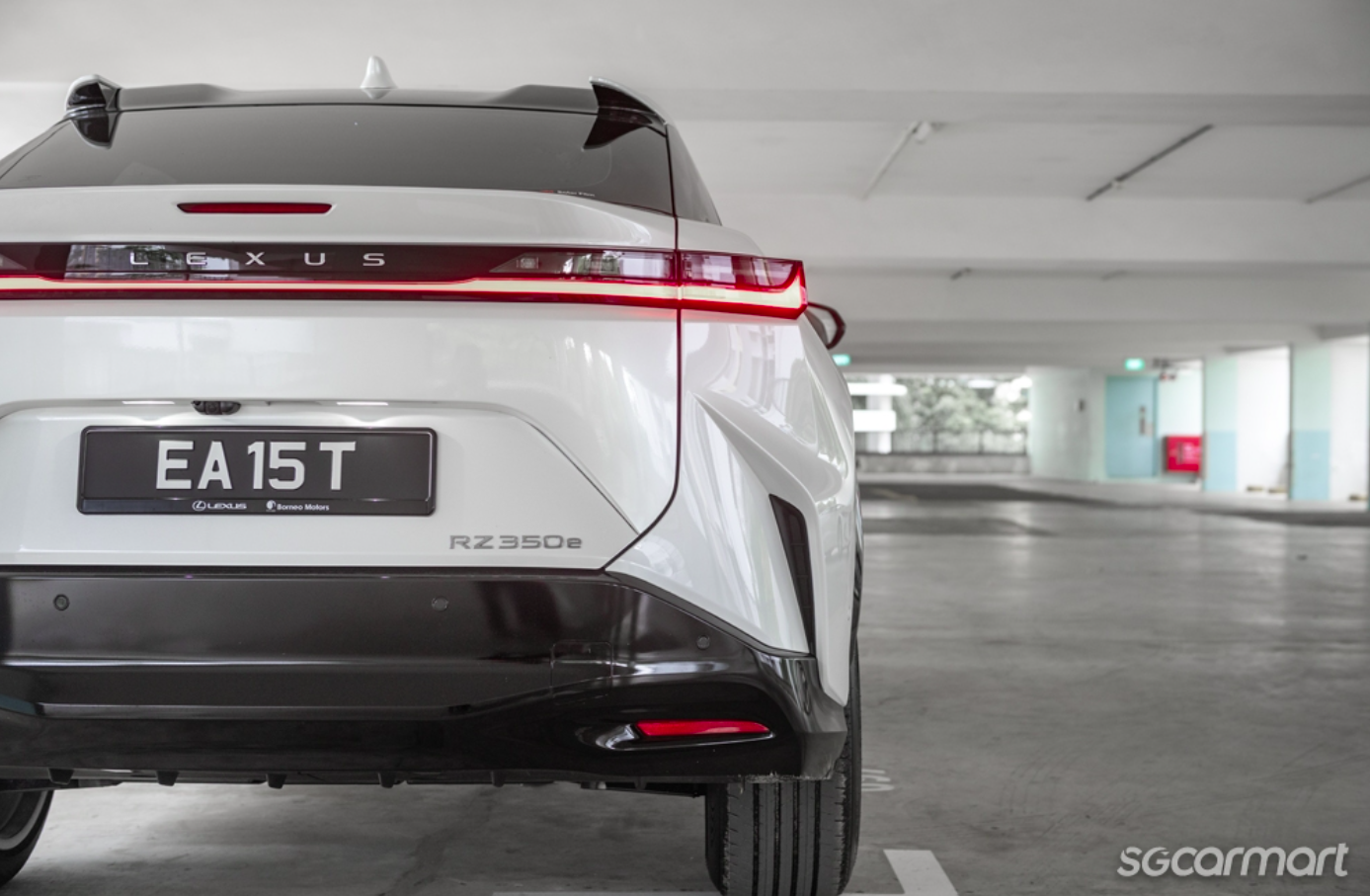
Further enhancing the sporty character is the narrow greenhouse and rakish rear windscreen, ‘fins’ on the roof, and a ducktail spoiler. The latter is possible because the RZ’s fastback-style tailgate has a short deck lid, whereas conventional SUVs have vertical tailgates.


Understated inside
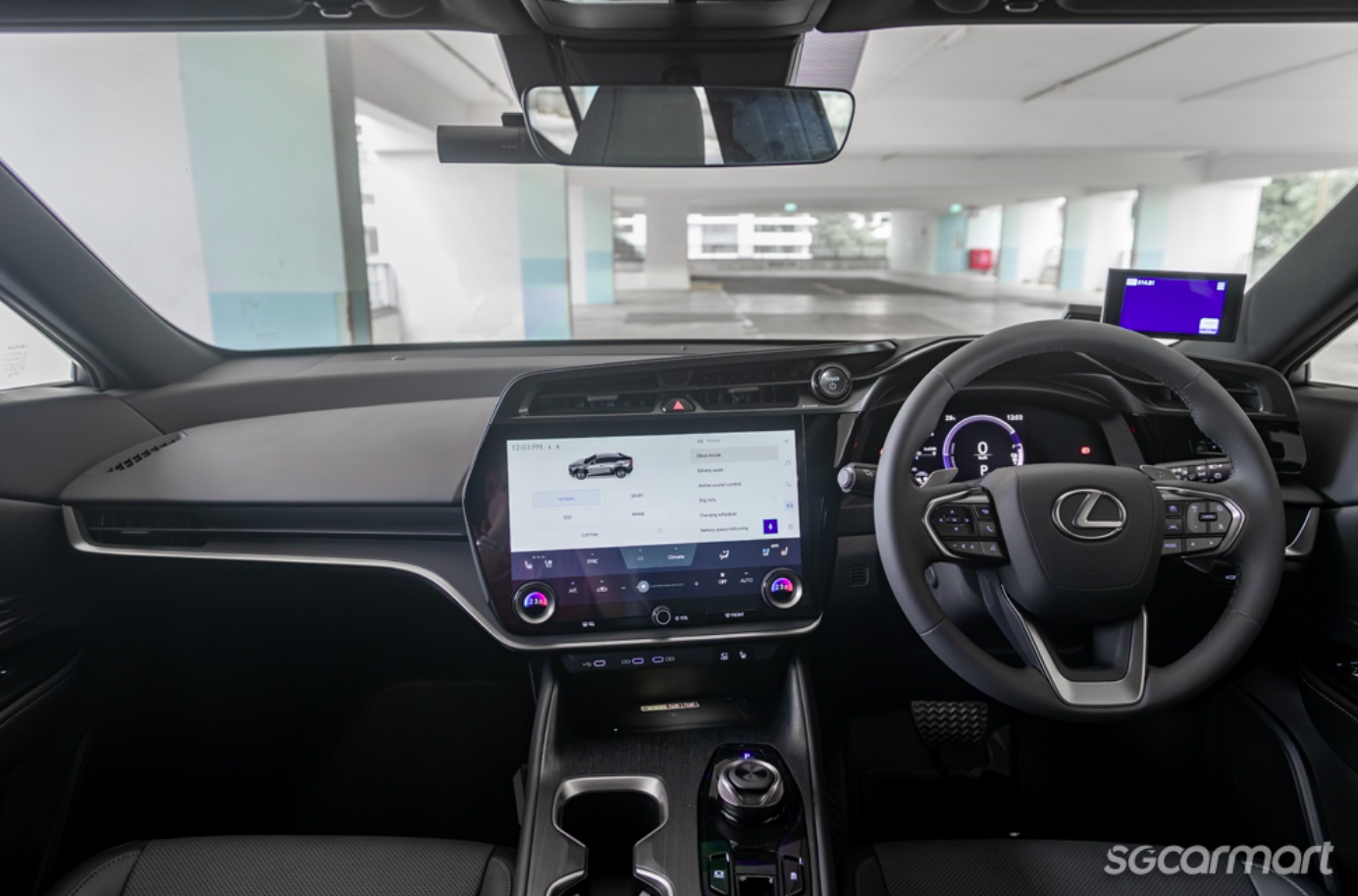
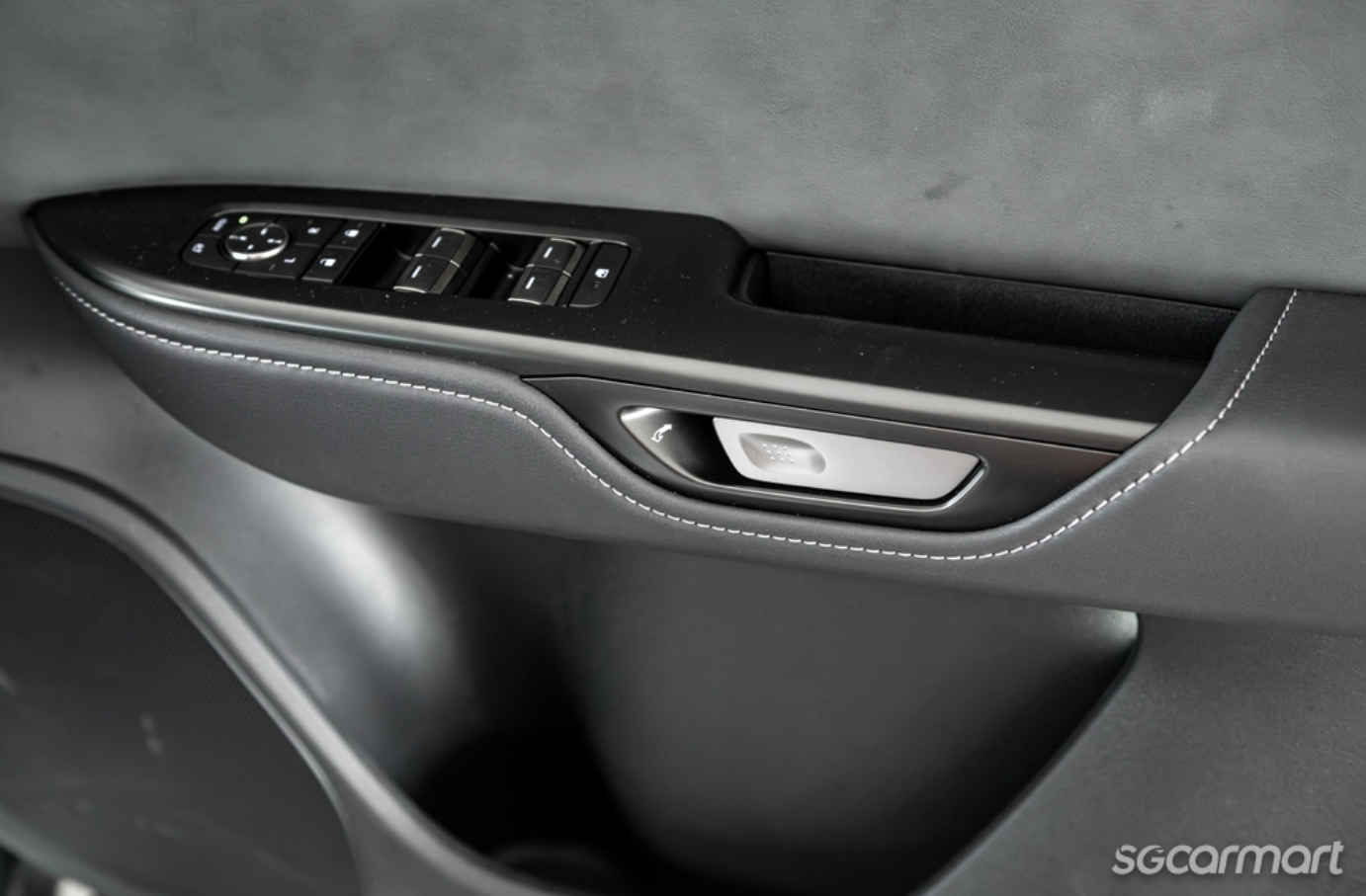
The RZ’s cockpit may not be the snazziest or most advanced, but it is well-made. From the moment your butt touches the seat, you immediately sense the cabin’s superb fit and finish.
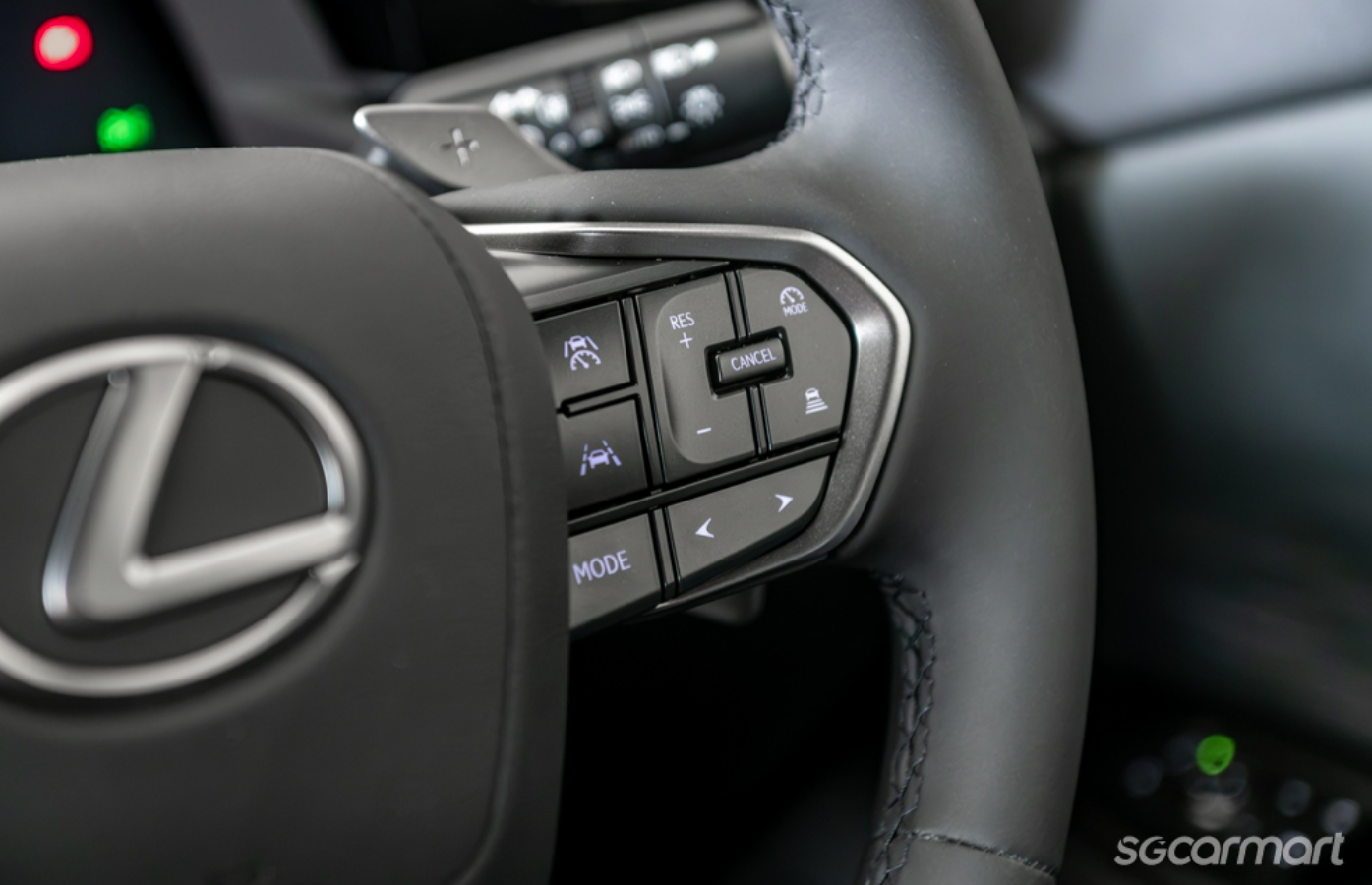
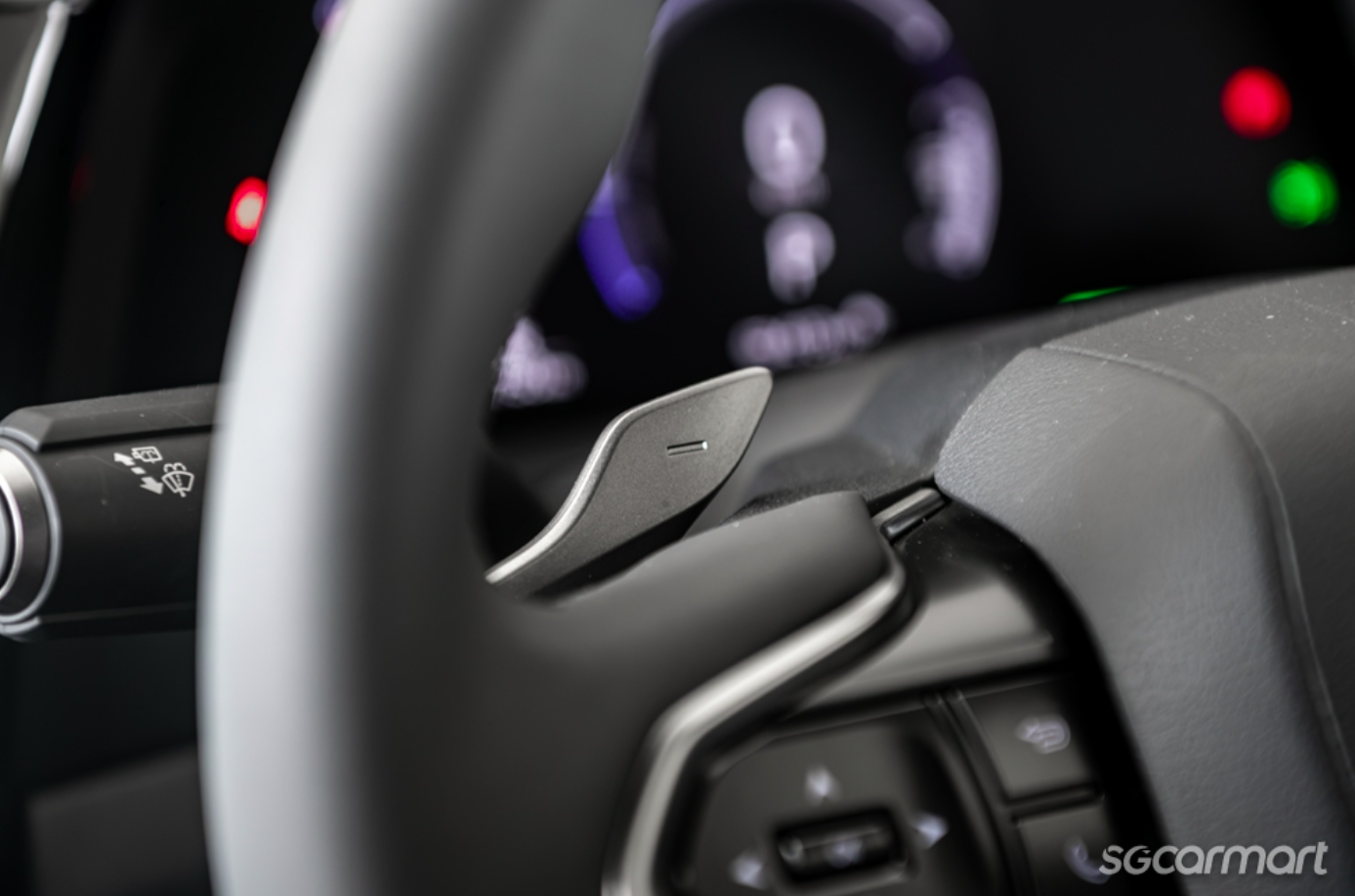
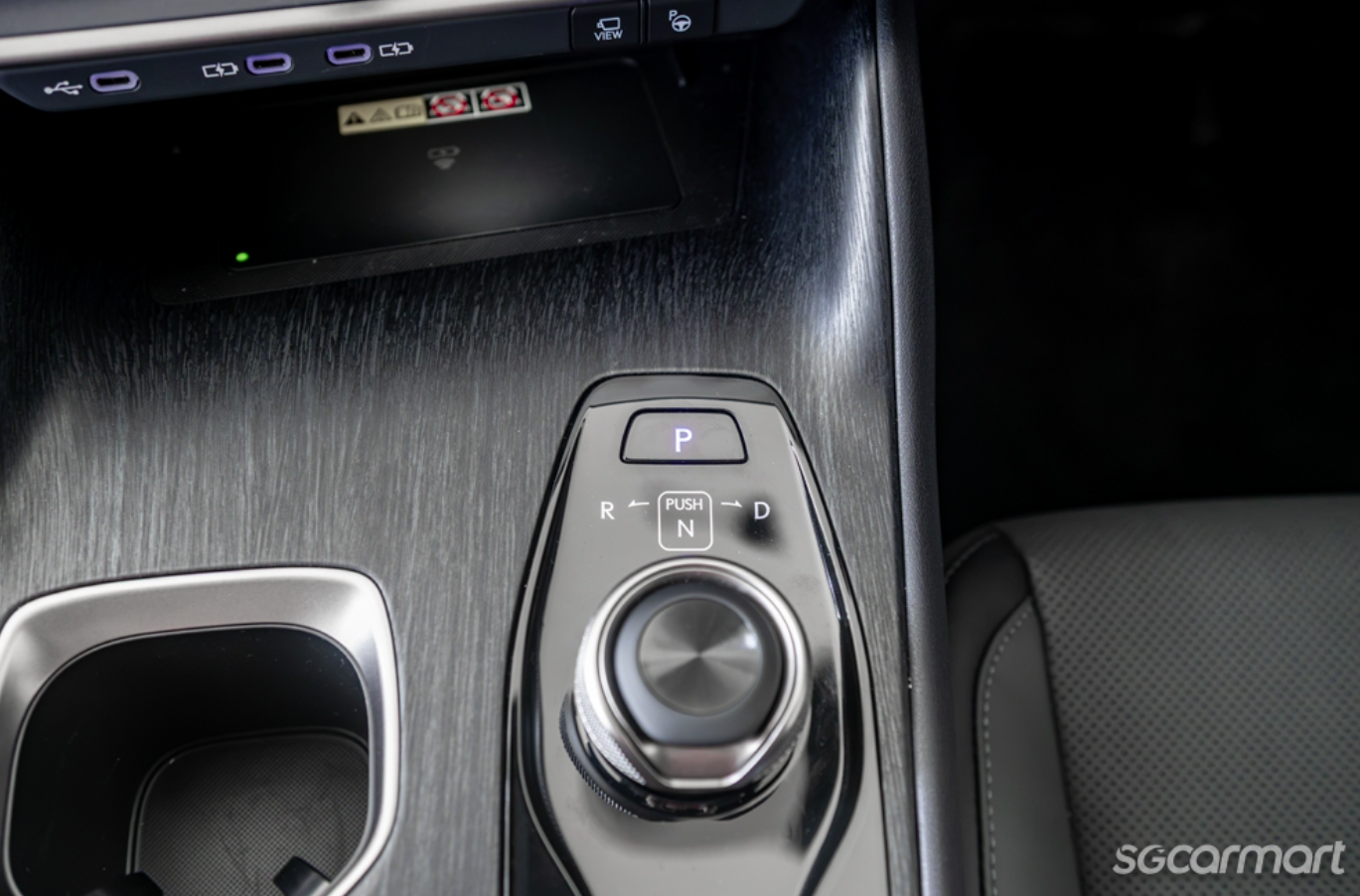
Soft-touch materials abound, covering the door panels, dashboard and steering wheel. Physical controls are present (hooray!) — that means proper buttons instead of touchpads on the steering wheel (the RZ450e has them), paddle shifters to adjust brake regeneration levels, and dials for the air temperature. It’s a relief to not have to keep tapping on a screen to access these.
In a nod to Japanese hospitality, the space is useful, too. It provides three USB-C ports — illuminated for convenience — and a charging pad. And the 14-inch infotainment display is angled towards the driver.
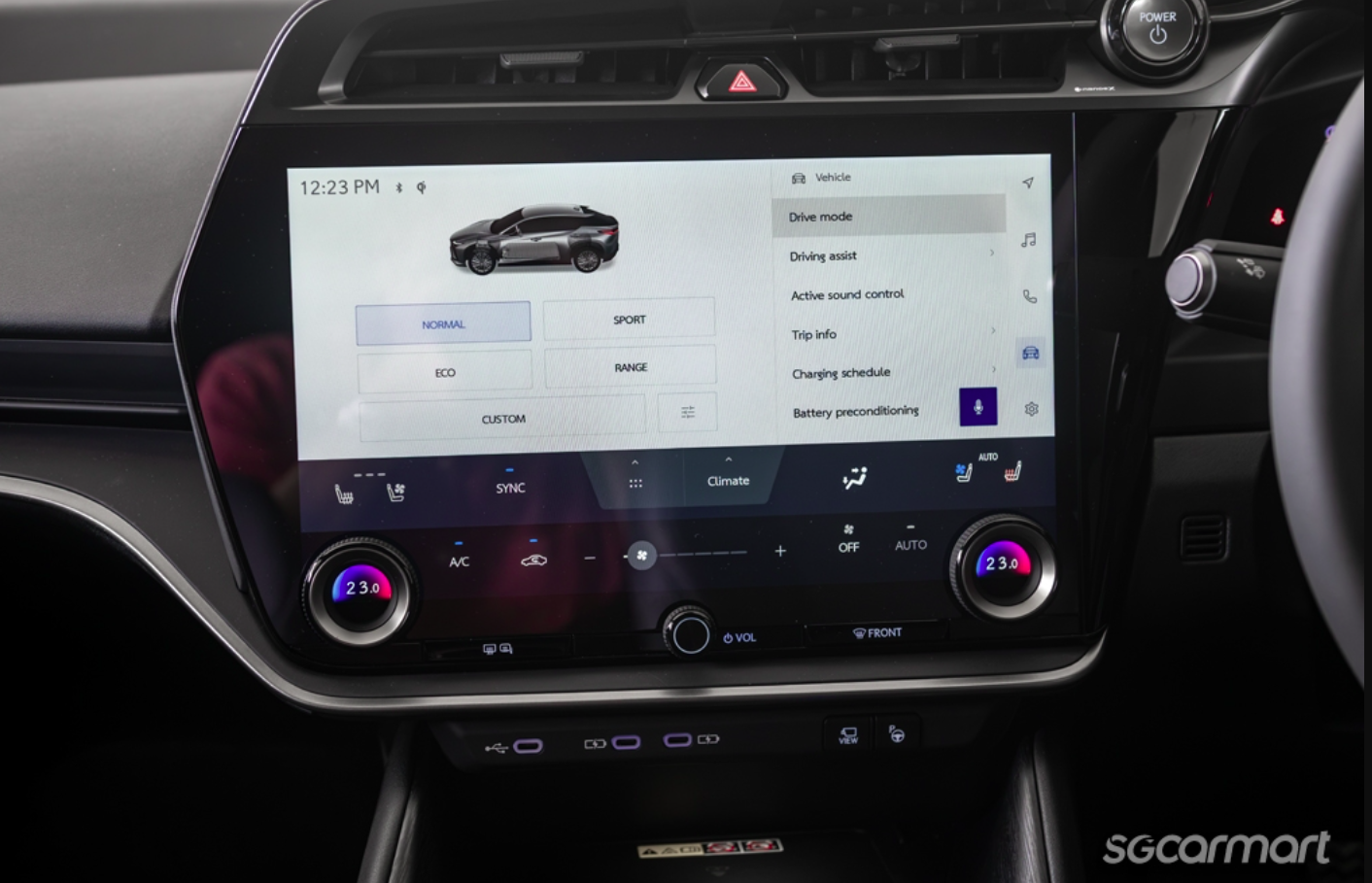


However, the menus on that screen look no different to those in say, a Toyota Alphard. It’s an oversight because in the luxury segment, it’s these little things that matter. Other minuses include the rough plastics on the lower part of the dashboard, and the lack of a sunroof.
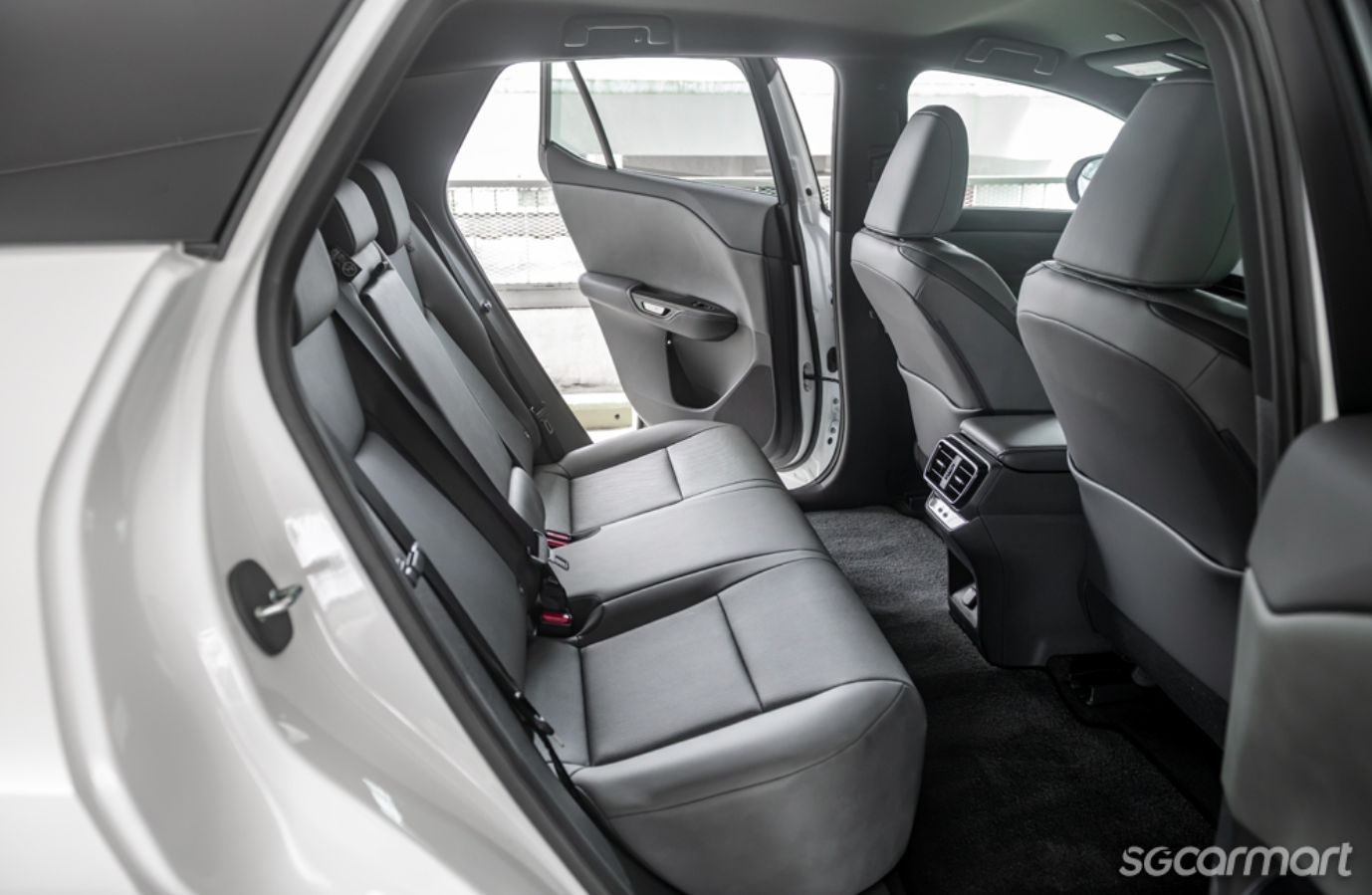
Fortunately, the rear compartment is both spacious and comfortable. There’s plenty of legroom, the seats are supportive and there’s a third climate zone, along with another pair of USB-C ports.


A quiet performer
The RZ350e may not have the punch of its more powerful sibling, but for most drivers, the 165kW (221bhp) and 269Nm of torque produced by the electric motor is more than adequate. Besides, instantaneous power delivery makes the RZ350e feel quicker than its zero to 100km/h time of 7.5 seconds.
What truly sets the RZ apart from other EVs, though, is its refinement. Acoustic glass all-round helps prevent external noise intrusion, while the well-judged suspension irons out woolly surfaces with ease.

Despite its dynamic styling, the RZ350e still prefers cruising instead of tearing around corners. Attempt the latter and understeer quickly sets in, with the car’s over two tonne kerb weight making its presence keenly felt. If you want agility, look elsewhere.
Besides, the helm isn’t big on feel either as Lexus must have quelled the transmission of undulations through the steering wheel. This makes longer drives less tiring, though at the cost of less-communicative steering. Again, it’s only an issue for keener drivers.
The RZ350e lets you adjust the regenerative braking on the fly using the paddle shifters. There are four levels to choose from, and I found Level 2 to my liking.
Typically, I mostly use regenerative braking in an EV, but the RZ350e’s brake pedal feedback is delightful, so it made me use the mechanical brakes more.


Now, in terms of range, the RZ350e’s 74.7kWh battery is only marginally larger than the RZ450e’s 71.4kWh battery. But with one less motor producing fewer kilowatts, the RZ350e’s driving range is 509km versus 440km for the RZ450e.
Assuming you plan to charge the car when it’s down to 20 per cent battery remaining, you could drive 407km before recharging versus 352km for the RZ450e.

Reflection points
Lexus’ ability to exude quiet luxury is admirable, but it’s probably why it’s also seen as a conservative brand. Ironically, this impression is at odds with the RZ’s design, which combined with the brand’s reputation for sublime quality, should have drawn more interest to the model.
That task now falls on the RZ350e’s shoulders. It’s a more sensible proposition to buyers shopping in this segment, who prioritise points such as interior refinement and ride comfort, rather than dual motors and zippy performance.
And the fact that the RZ350e is currently priced below $360,000 should improve its chances, too.
[[nid:743723]]
This article was first published in sgCarMart.
Read the full article here