




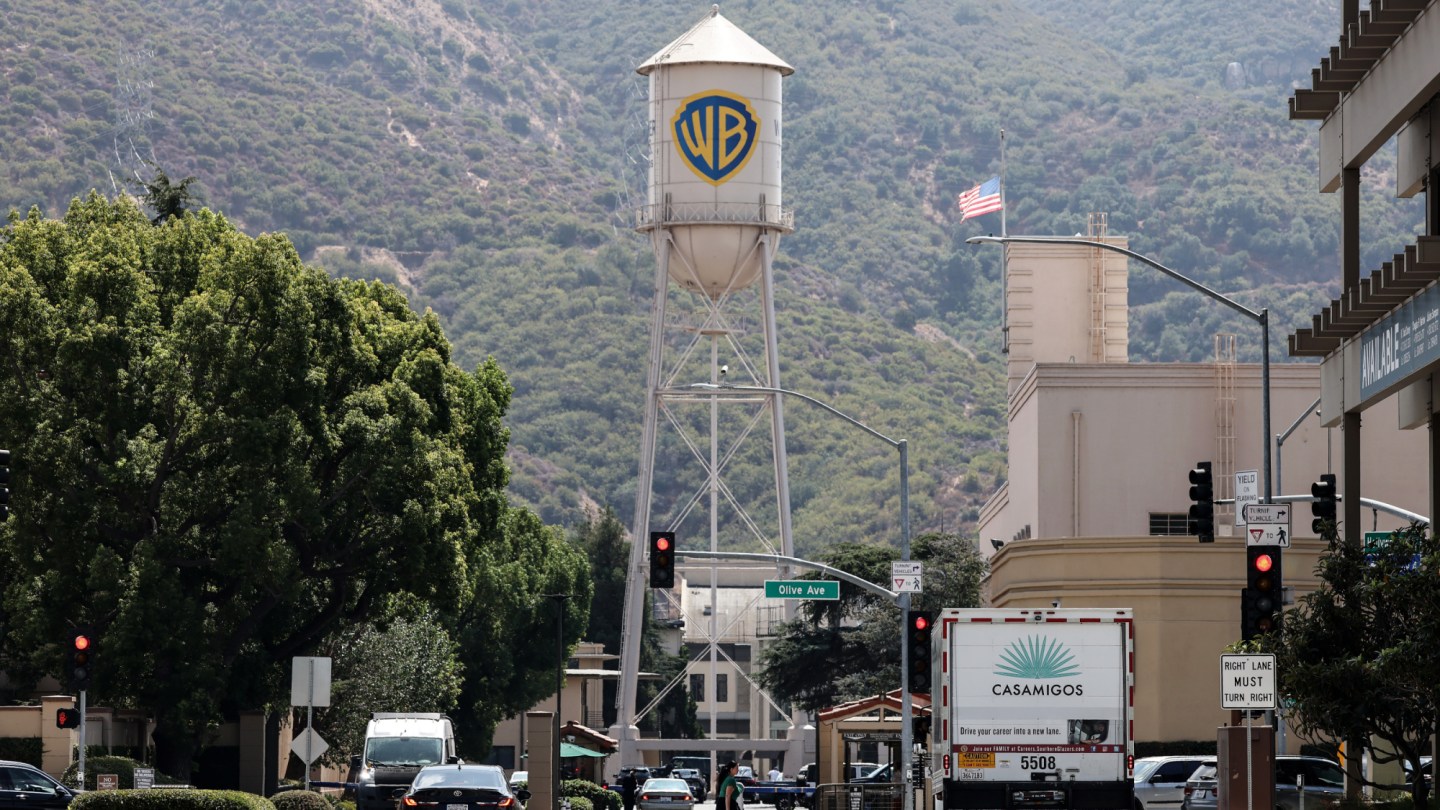


As Paramount insists its offer for Warner Bros. Discovery presents less regulatory roadblocks, the Justice Department is taking a comprehensive look at David Ellison’s hostile tender bid.
Warner Bros. Discovery said in a securities filing on Wednesday that regulators on Dec. 23 expanded their review of the offer after opening it earlier last month. The investigation, though largely expected, signals that the government may challenge an acquisition of the company regardless of who emerges as the winner, running up against Paramount’s position that it offers a more certain pathway to approval. At the very least, it could provide fodder for David Zaslav to stick with Netflix, which has agreed to buy the studio behind DC Comics, Harry Potter and Lord of the Rings in a $82.7 billion megadeal.
The Justice Department’s antitrust division has “issued requests for additional information or documentary material relevant to the offer,” Warner Bros. Discovery said in a regulatory filing.
On Thursday, Paramount reiterated that it is standing by the $30 per share tender offer, saying its all-cash bid remains “superior” to Netlfix’s for various reasons, including a “more certain, expedited path to completion.” The Warner Bros. Discovery board has officially rejected the offer, which includes a personal guarantee from Oracle founder Larry Ellison, the father of David Ellison. Paramount’s next move may be to try and convince a majority of shareholders to tender their shares.
Warner Bros. Discovery and Paramount didn’t immediately respond to requests for comment.
Under reporting requirements to antitrust enforcers, companies are obligated to provide notice of large mergers, including hostile bids. The agencies may follow up with what’s called a “second request” when more information is needed to decide whether they’ll challenge the deal. In many instances, it indicates serious competition concerns and is a precursor to a merger challenge. As part of the review, Warner Bros. Discovery will turn over documents and data about the company’s services, market conditions and the competitive effects of the merger, if completed. Interviews with company personnel and industry experts may also be involved.
Both sides of the deal present challenges. A merger with Netflix would give the company more than 30 percent of the streaming market according to some measures, a key threshold traditionally viewed as problematic under antitrust law. There’s credibility to Ellison’s insistence that a Paramount deal is less murky, though such a merger would combine two of the five largest movie studios, not to mention competition considerations involving their news divisions.
“Americans don’t like these mergers. They don’t want a few giant companies controlling what they see and what they hear,” Rep. Becca Balint (D-Vt.) said at a House Judiciary Committee on Wednesday. “We want choices, more choices. When these companies merge, things get better for the people at the top over and over again and worse for the rest of us.”
Read the full article here