



Amy Bandlien Storkel and Bryan Storkel’s Pez Outlaw, which premiered at SXSW in 2022, was the rare re-enactment-driven documentary that I thought benefitted from the heavily staged treatment. The directors were able to use the extensive re-enactments to amplify the sense of heightened, cinematic fun in the story of an eccentric collector whose love of Pez dispensers somehow took on the flavor of international espionage.
The sense of “It’s real, but it’s kinda like a genre movie, so it’s OK to enjoy it” returns in the Storkels’ new SXSW-premiering documentary, I Got Bombed at Harvey’s, which relies heavily on stylishly kitschy re-enactments in recounting the details surrounding a notorious 1980 bombing at Harvey’s Wagon Wheel Casino in Lake Tahoe.
I Got Bombed at Harvey’s
The Bottom Line
Spins a wild yarn with heart, and some flaws.
Venue: SXSW Film Festival (Documentary Spotlight)
Directors: Amy Bandlien Storkel and Bryan Storkel
1 hour 34 minutes
Here, the re-enactments lack the level of panache that made Pez Outlaw so much fun, feeling more like a crutch than an additive aesthetic choice. But the Storkels have something more serious and emotional in mind. So yes, the tale of a bitter immigrant, his motocross-racing sons, a diabolically constructed bomb and its aftermath is wild, but it’s grounded in a more personal story about family secrets and trauma.
The film ends up illustrating the limitations of the Storkels’ affection for re-enactments and their general interest in stories that are outlandish enough to be thrilling and bloodless enough to be treated with some measure of whimsy.
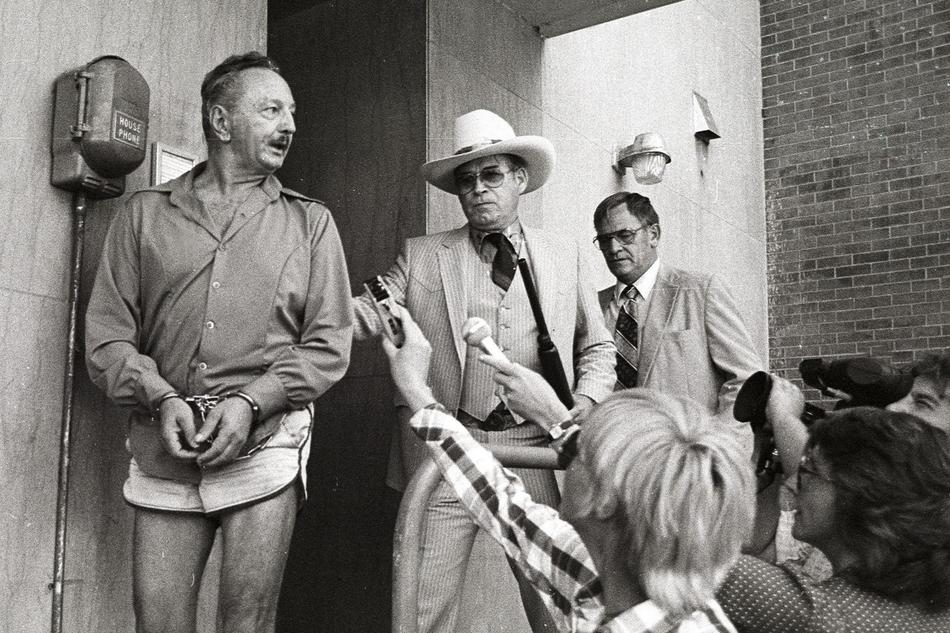
The basics of the story, for those who don’t remember/never knew: On August 26, 1980, a bomb appeared in office space above the casino at Harvey’s. The bomb was large and the accompanying note indicated all the ways it couldn’t be disarmed. The bombers requested $3 million and a helicopter within 24 hours. The FBI and local law enforcement were called in, but not everything went as planned — for them or for the bomber himself.
Given that the event in question took place over 45 years ago, the Storkels have assembled an impressive number of its key characters, including bomb squad members, FBI experts, the attorney who eventually prosecuted the case and, in lieu of Harvey’s owner Harvey Gross, Gross’ grandson Kirk Ledbetter. Many of these figures are quirky characters, with a variety of cowboy hats, facial hair and bolo ties between them.
Better, though, are the perspectives from the other side of the story, led by Jim Birges, whose father Big John was the architect of the plot, a retaliation for gambling debts that crushed his lucrative multi-million-dollar landscaping empire. Jim was a teenager at the time, terrified of his abusive old man and roped into assisting him, along with his brother John Jr. While John Jr. is no longer with us, his girlfriend at the time, Kelly, discusses her participation.
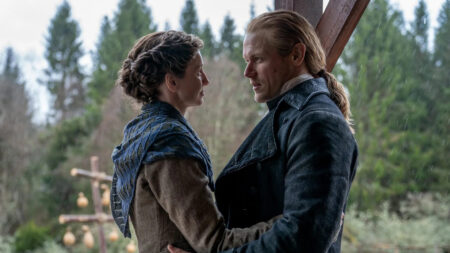
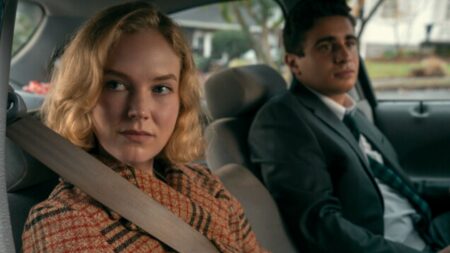
The re-enactments, which include bomb-making and transportation, as well as the three-pronged plan to escape, have a flavor that calls to mind ’70s heist and spy films, accompanied by Michael James Lee’s jaunty, genre-aping score. Unlike the re-enactments in Pez Outlaw, these filmed scenes lack sustained set pieces or real performances from the actors. They aren’t distracting, but they also aren’t enhancing.
The Storkels have other filmic elements at their disposal anyway. They have lots of Big John’s schematics, a wealth of appealingly dated news footage and the spectacle of Jim Birges taking his daughter Hope to some of the key locations from the event. It’s a part of his past that he hasn’t actively embraced, for thoroughly logical reasons, but the documentary treats his ownership of the story as a sign of healing, which I think I can buy, at least to a point.
It’s not a spoiler to say that if a bomb had killed a thousand people in Lake Tahoe in 1980, this wouldn’t be the first time you’d be hearing about it, and documentarians wouldn’t be getting chummy with a participant in a terrible domestic terror attack. Still, I’m going to say that the film is just a hair more credulous toward Jim’s interpretation of events than befits a circumstance that could have killed a thousand people. It’s one thing to say that it was a different era, that people followed their parents more blindly, especially when they experienced abuse, but the directors let Jim Birges be a smidge more affable and less contested than he deserves. Pushing harder would have darkened the story, but been slightly more believable.
It isn’t a damning problem. Especially in the documentary’s final 20 minutes, there’s some real catharsis from Jim’s involvement, and it didn’t feel unearned.
I have greater objections to the use of an AI reconstruction of John Jr.’s voice, part of a pervasive documentary trend that I have never seen utilized in a way that serves a purpose. Once your film already has the demonstrable artifice of re-enactments, why bother with the faux authenticity of reconstructed narration? Until AI voice reconstructions can be made to actually sound human and not 85 percent human…stop it. And even then, consider seriously whether your attempted digital grave robbing serves a purpose. Here, it’s a vaguely affectless voice reading from a memoir that Jim Birges already told us probably isn’t completely accurate.
There’s a lot of technique in I Got Bombed at Harvey’s that doesn’t fully work, compared to the flourishes that served Pez Outlaw well — but at the same time, the film, overall, perhaps hits on a deeper level.
Read the full article here