






The festive season is the most wonderful time of the year for many in Singapore, but quite the opposite for some.
Between sprints at work and gatherings with family and friends, the year-end holidays can leave many feeling overwhelmed instead of joyful.
This may lead to festive burnout.
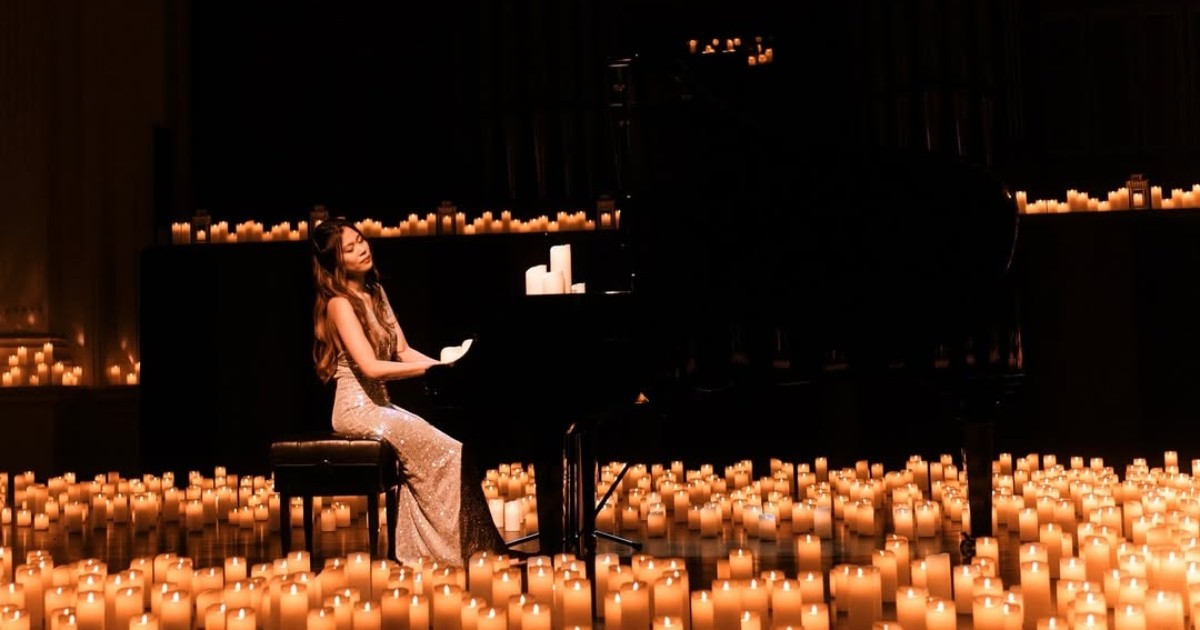
“I couldn’t bring myself to slow things down, take things easy, and just be present with my loved ones,” Sueli Tang, an international performing pianist, told AsiaOne as she recalled her experience.
The 33-year-old Singaporean, who moved from Malaysia to Singapore alone in 2010 to pursue a music career, found herself having to wear many hats to make ends meet.
Over the years, she has tried to build her own music education business, teach piano, perform in gigs, all while pursuing her master’s degree in music.
Having to juggle all these responsibilities without family support led to Sueli experiencing burnout, which started out as a love-hate relationship with work.
“It gradually crept up on me and manifested until it took over. There were days when I would not feel like showing up for work, and days when I felt so tired and uninspired. Then these days became more frequent,” the pianist shared.
For many including Sueli, such feelings often intensify during the holidays.
“There were moments when this period felt heavier than usual. There’s this unspoken pressure of how we should be happy and spirited. Sometimes, I don’t want to be spirited,” she said.
Why festive burnout happens
Sueli’s experience is not uncommon.
Speaking to AsiaOne, Andrea Chan, group head of Touch Counselling and Psychological Services and deputy director of Touch Mental Wellness, said that burnout often feels worse towards the end of the year due to multiple stressors piling up.
During the holiday season, many individuals experience “holiday blues”, marked by temporary feelings of anxiety, loneliness or sadness, she explained.
Added pressures, such as maintaining a sense of festivity, reflecting on unmet goals, or feeling disconnected from others, can also intensify existing stress and fatigue, causing burnout to surface more strongly.
While the organisation typically sees a fall in the number of people seeking help during the holiday season, Andrea noted that concerns raised in counselling sessions and their helpline calls often centre on loneliness or frustration about life not aligning with what individuals had hoped for amidst the festivities.
“Burnout frequently carries an element of resentment towards work, and sometimes towards life,” she said.
“During a season that is expected to be joyful, when others appear to be celebrating or travelling, this contrast can heighten feelings of dissonance, causing underlying burnout and resentment to surface more intensely.”
Sueli said she experienced this when she was running her recently closed music education business, as December often meant a month of preparations for the next year, endless pitch work, liaising with clients and administrative chores.
“It was a lot to handle at the end of the year, and it can get very frustrating when everybody seems to be in holiday mode,” she admitted.
[[nid:697190]]
Warning signs of burnout
While burnout is often associated with extreme exhaustion, it can show up in subtle ways before intensifying.
Some early warning signs of burnout to look out for include both physical and psychological symptoms, said Andrea.
Common signs include feeling persistently tired or drained, experiencing recurring pains or headaches, and noticing changes in sleep patterns.
“Because these symptoms can feel familiar or manageable at first, they are often overlooked until burnout becomes more pronounced,” she explained.
According to her, certain groups of people may be more vulnerable to festive burnout.
These include international students and foreign workers who are adjusting to new cultural environments, people who are estranged from their families, as well as individuals who have recently experienced a loss.
“With limited social or family support, the emotional impact of the year-end period can feel more intense, making burnout and festive season blues more likely,” she said.
How to recover from burnout
The first step for anyone struggling with burnout is to acknowledge their feelings.
“Being aware of your emotions makes it easier to manage them. It is also important not to hesitate to seek help,” said Andrea.
One common mistake people make when trying to push through burnout is relying on quick fixes that only provide temporary relief, which often “makes the problem worse rather than better”.
“Burnout results from prolonged stress and deep exhaustion, attempting to push through the slump does not address the underlying cumulative stress that is driving it,” Andrea explained.
Instead, she advises setting realistic expectations and boundaries to help reduce stress during the festive season.
“There is no single way to celebrate, and individuals can decide on their own social and budget limits.”
It may also be helpful to focus on enjoying little moments through mindfulness and being fully present to enhance feelings of enjoyment, as well as practise regular self-care to support mental well-being and build resilience.
While many may think that taking time off or going on vacation is the only way to alleviate burnout symptoms, Andrea explained that several other strategies can help manage stress and facilitate recovery.
These include reaching out to others for support, reframing how you view work, re-evaluating personal and professional priorities, making regular exercise a priority, maintaining a healthy diet to support mood and energy levels and seeking professional help when needed.
“Individuals should consider seeking professional help when stress becomes overwhelming and self-care strategies are no longer sufficient to manage it. Consulting a professional can provide guidance, support and effective tools to cope with burnout and restore well-being,” she said.

For Sueli, what helped with her recovery was emotional and financial support from her husband, as well as therapy.
“Therapy has helped me reframe some of my perspectives and self-talk, like how work is not my identity. There’s more to me than just what I do,” she shared.
For others going through the same struggles, Sueli recommends giving reframing self-talk a try.
This means consciously changing your inner dialogue, replacing negative self-criticism and thoughts with more positive ones.
“What has been helpful to me, which I hope will help others, is to tell ourselves that we deserve to be seen and heard, and especially by ourselves before anyone else,” she said.
“Listen to your body, mind and spirit. If you’re feeling tired and uninspired, maybe it’s time to listen. You are allowed to take a break, you’re allowed to breathe. You’re deserving of all that. So do that, and come back stronger, fresher and better.”

SINGAPORE HELPLINES
- Samaritans of Singapore: 1800-221-4444
- Singapore Association for Mental Health: 1800-283-7019
- Care Corner Counselling Centre (Mandarin): 1800-353-5800
- Institute of Mental Health’s national mindline: 1771 (24 hours)/ 6669-1771 (via WhatsApp)
- Silver Ribbon: 6386-1928
- We Care Community Services: 3165-8017
[[nid:723700]]
carol.ong@asiaone.com
Read the full article here