






Much has been made of the Chinese film industry’s struggles to recapture the heady days of its pre-pandemic box office records, but it appears a government-led push for film tourism has started to help the wider domestic economy recoup some of what has been lost at the multiplex.
This year has seen reports of a tourism boom in the likes of northwestern Qinghai province thanks to the Lunar New Year box office hit Pegasus 3, with hotel bookings in the shooting-location city of Delingha up 71 percent year-over-year during the February holiday, according to data from travel platform Qunar. Meanwhile, the country’s current box office sensation, Dear You, has driven a similar rush, with flights to the three cities in which the family drama is set — Shantou, Chaozhou and Jieyang — reportedly doubling since the film’s late-April release.
Local and national tourism authorities — and the Chinese film industry in general — have thrown their weight behind what has become known as “film-plus,” a push that has led to campaigns such as the China Film Administration-backed “Taste Cuisine with Films” and “Shopping with Films.”
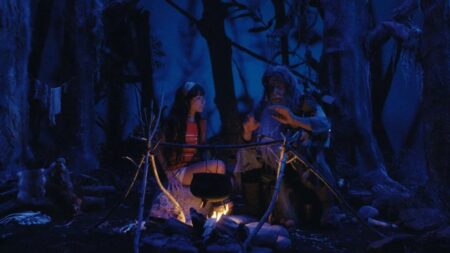
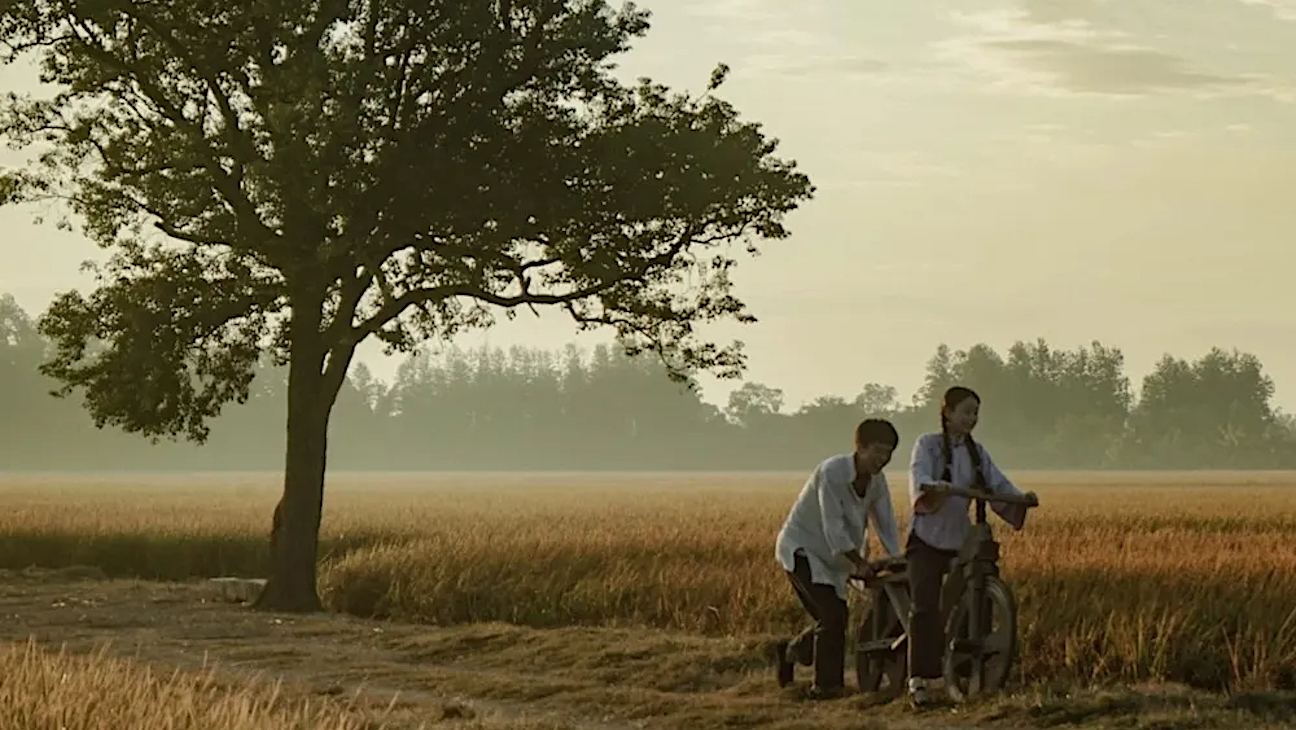
The Shanghai International Film Festival is also leaning into the phenomenon this week with “Grand Landscape: A Cinematic Portrait of China,” a program comprising an eclectic selection of 15 Chinese classics dating back to 1960 and featuring some of the country’s most famous scenic sites.
“Film tourism is quite a trend in this recent five years,” explains Freda Fan, senior manager of programming and screening at the Shanghai International Film & TV Events Center, the festival’s organizing body. “Last year, we had Ne Zha 2, which made Yibin in Sichuan a hit with visitors. Also, in the case of the Creation of the Gods series, the heritage in Henan was getting popular. Here in Shanghai, it was because of the films B for Busy and Her Story that the daily city life in Shanghai revealed its charm. The longtang [alleyways], cafés and grocery stores that appear in the films have become popular destinations for young people to go on City Walk tours.”
SIFF has been encouraging visitors and locals alike to do the same, promoting the local attractions people might recognize from films while using the “Grand Landscape” program to nudge audiences toward expanding their travel horizons. The classic 1960s musical Third Sister Liu was a sensation on release thanks to the stunning vistas of southern China’s Guangxi region, while Tsui Hark’s 2014 action hit The Taking of Tiger Mountain took to the snow-capped peaks of northeast China’s Heilongjiang province.
“Basically, we were thinking of a way to present a brief history of Chinese cinema from a geography perspective, showcasing both the internal richness of Chinese cinema, cultural diversity and the intergenerational legacy of Chinese filmmakers,” explains Fan. The team chose films of high artistic value that also represent the country’s distinct regions and cultures, Fan says — “from the mountains of Tibet to the island of Hainan,” from the Yellow River in the north to the Yangtze in the south. “Many of them are classics that are known to a generation.”
In recent months, China’s state-run media has given heavy coverage to the film tourism trend, closely following the fortunes of Dear You and its impact on eastern Guangdong province, as well as charting the knock-on effect the world’s second-largest film market has on the broader local economy.
A recently released report from the China Film Administration claimed that each yuan collected at the domestic box office generated 15.77 yuan for “related industries” across the country, with tourism a main beneficiary.
Fan concedes that 15 films are too few to capture the country’s full diversity. But, the programmer adds, the section is “our little attempt to show the beauty and touching stories of the land by revisiting Chinese classics.”
Read the full article here