





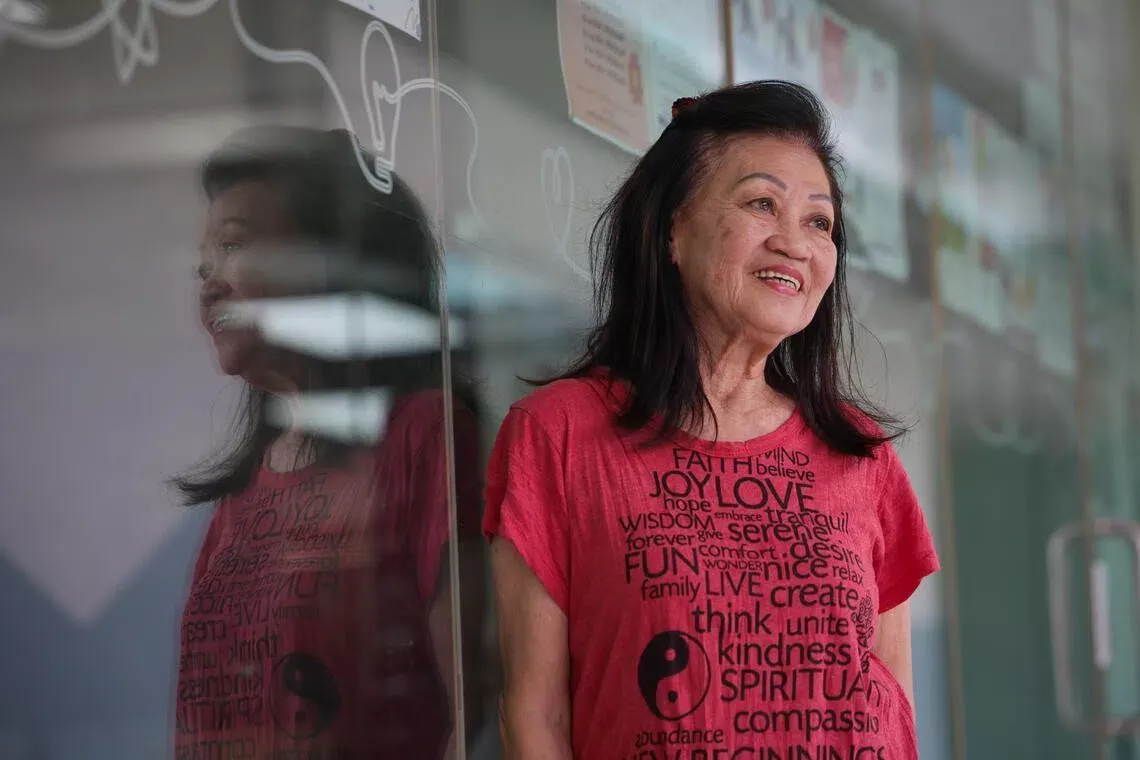


SINGAPORE – Moonlit walks by East Coast Park and months-long overseas trips were what Madam Helene Ong, 76, thought retirement life with her husband David Tan, 77, would be like.
But they had to swop the beach strolls for medical appointments and holiday travels for hospital stays, after Mr Tan suffered a stroke in January 2025.
The stress of caregiving caused Madam Ong to lose six kilograms over three months.
She struggled to breathe, cried constantly, and cancelled gatherings with friends.
Seeing her husband of 50 years — a former operations manager at a petrol company and avid football player — lose his ability to walk added to her grief.
“Until today, I still feel very sorry for him. Why is he like that? That’s why I find ways and means to nurse him better,” said Madam Ong, tearing up during an interview with The Straits Times.
The needs of caregivers for seniors in Singapore have grown with an ageing population, with many now being older adults themselves, like Madam Ong.
She received support in November 2025 from Touch Community Services’ Caregivers Support Group after she took her husband to its active ageing centre TOUCHpoint@AMK 433 in Ang Mo Kio.
Touch Community Services’ latest initiative, Carer Torch, received a boost in funding recently from the Income OrangeAid Caregiver Support Accelerator Grant, enabling it to support over 300 caregivers — up from about 40 caregivers it currently serves.
Carer Torch was one of 10 proposals awarded the grant on March 10, which supports caregiver-focused initiatives from social service agencies, such as support groups and respite care.
Each agency will be given up to $500,000 over three years to fund a long-term programme for caregivers — a much-needed boost as there is currently not much funding for such initiatives, said grantees.
Hearing stories from fellow caregivers helped Madam Ong feel she was not alone.
A 2023 Duke-NUS study found that the average age of caregivers for older adults aged 75 and above was 62 years old.
Researchers said these caregivers’ health issues may make them more vulnerable to the challenges and stresses that come with caregiving.
Madam Ong stayed by Mr Tan’s hospital bedside daily when he was in a coma after his stroke, singing his favourite tunes from pop singer Tom Jones.
When he returned home, her days were a blur of preparing nutritious meals for him and driving him to doctors’ and physiotherapy appointments.
One of their two sons hired a domestic helper for them, but Madam Ong, a former secretary, said it was also stressful to guide the helper.
“My time is more for him, (he was the) priority… it reached a stage where I did go through depression,” said Madam Ong, though she was never formally diagnosed.
She dreaded going home, and remembered days weeping in church while worried friends surrounded her.
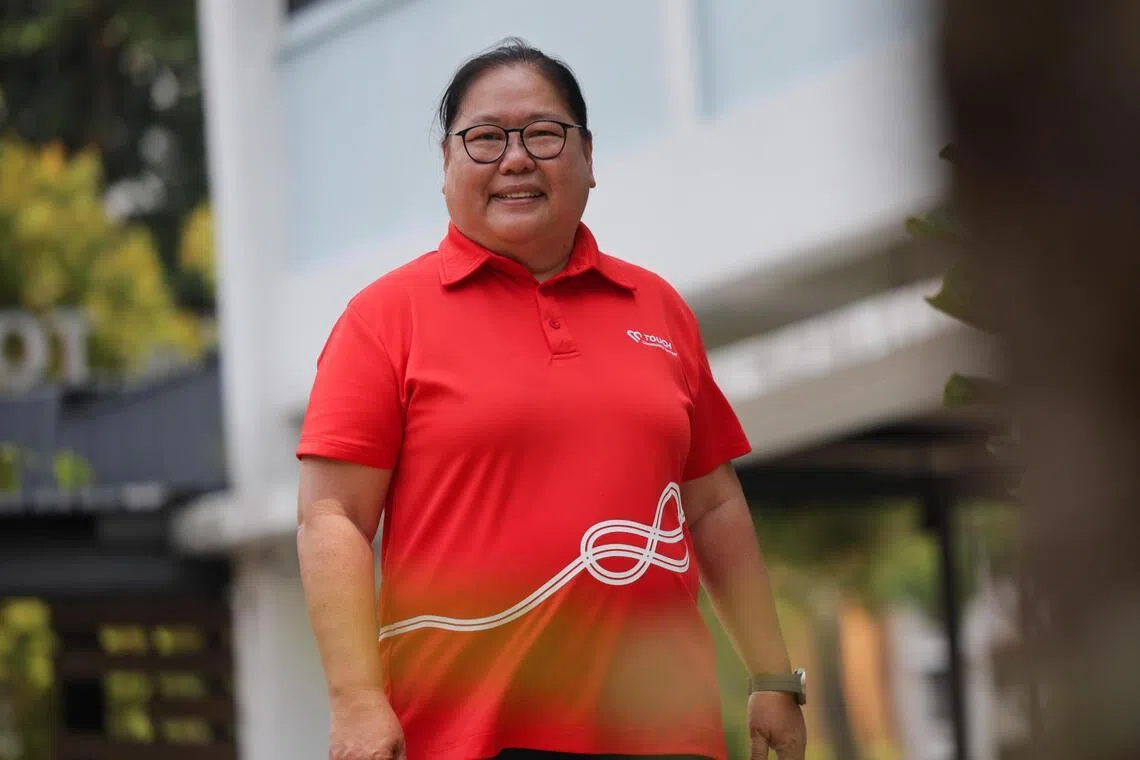
Caregivers are individuals with their own needs, which they may forget when their life revolves around caring for their loved ones, said Ms June Sim, who heads Touch Community Services’ Caregivers Support Group.
When she asks caregivers about their favourite food, some simply answer: “Anything my loved ones eat, I eat.”
Carer Torch supports caregivers through one-to-one coaching and structured group sessions.
Ms Sim said the initiative wants to support caregivers individually to remind them of their sense of self.

Madam Ong has since learnt to take care of herself, such as treating herself to ice cream while out running errands and going for gatherings with old friends.
“I learnt from this programme to love ourselves in order to move on,” she said.
Recently, Mr Tan has resumed walking with a back brace.
The grandparents of six have tried visiting East Coast Park again, and have taken short holidays to Indonesia and Thailand, said Madam Ong with a smile.
[[nid:733087]]
This article was first published in The Straits Times. Permission required for reproduction.
Read the full article here