





Da Lat is Vietnam’s cool central-highlands city, perched at about 1,500 metres on the Lang Biang Plateau where temperatures hover around a spring-like 15 to 24 deg C all year.
That is why locals call it the City of Eternal Spring, and why Da Lat Vietnam has become the go-to escape from the hot, humid lowlands around Ho Chi Minh City and the coast.
Expect misty pine forests, mirror-still lakes, French-colonial villas, cascading waterfalls, and some of the country’s best coffee and strawberries.
This Da Lat travel guide covers the weather, the best things to do, how to get there, where to stay, and a rough budget.
Where is Da Lat, and why is it called the City of Eternal Spring?
Da Lat is the capital of Lam Dong Province in the Central Highlands of Vietnam, sitting about 300 km northeast of Ho Chi Minh City.
It was founded as a French hill station in 1893 by the bacteriologist Alexandre Yersin, who saw its cool air as a retreat from the tropical heat.
Today it is one of Vietnam’s most popular getaways.
The nickname comes down to altitude. At roughly 1,500 metres on the Lang Biang Plateau, Da Lat’s average temperature stays between about 14 and 23 deg C year-round, with mist drifting over the valleys most mornings.
While Ho Chi Minh City and the beaches bake, Da Lat weather feels like a permanent gentle spring.
Da Lat vs coastal Vietnam: The climate difference
Da Lat (highlands, ~1,500m)
- Average temp: ~14–23 deg C
- Feel: cool, misty, spring-like
- Best for: Escaping the heat, nature, coffee
Nha Trang (coast)
- Average temp: ~24–29 deg C
- Feel: hot, sunny, humid
- Best for: Beaches, diving, resorts
Ho Chi Minh City (lowlands)
- Avg temp: ~26–35 deg C
- Feel: hot, humid, tropical
- Best for: City buzz, food, nightlife
Temperatures are typical annual ranges; check a live forecast before you travel.
Best time to visit Da Lat
Because of the altitude, there is no truly hot season, so any month works.
That said, the dry season from around December to March offers the clearest skies and easiest days for sightseeing, trekking, and farm visits.
December is especially popular: the biennial Da Lat Flower Festival fills the city with blooms, parades, and horticultural displays.
The rainy season runs from roughly May to October, with afternoon downpours that green up the hills and thin out the crowds. Waterfalls are at their most powerful then.
If you visit in the wet months, plan sightseeing for the mornings and carry a light rain layer.
[[nid:739564]]
Top things to do in Da Lat
Da Lat rewards slow, curious travellers. Here are the highlights worth building a two or three day trip around.
Xuan Huong Lake and the flower gardens
Crescent-shaped Xuan Huong Lake is the green heart of the city, ringed by a walking and cycling path and dotted with swan pedal-boats.
On its northeastern edge, the Da Lat Flower Gardens (Vuon Hoa Thanh Pho) showcase the roses, orchids, hydrangeas, and tulips that the highlands grow so well.
Da Lat waterfalls
The hills around town hide a string of dramatic cascades. Datanla Waterfall, about 5km south, is the easiest to reach and comes with an alpine coaster down to the falls.
Elephant Waterfall, roughly 25 km southwest, thunders through a rugged gorge. Pongour Waterfall, about 50km south, is the widest and most photogenic, terracing across the rock in the rainy season.
The old railway and French-colonial villas
Da Lat Railway Station, built in 1938 in a striking Art Deco style, is one of Vietnam’s prettiest and a national historic monument.
A restored heritage train runs a short scenic line to Trai Mat village and the ornate Linh Phuoc Pagoda.
Around the city, pastel French villas and the summer palace of Vietnam’s last emperor, Bao Dai, recall the hill-station era.
Coffee and strawberry farms
The Central Highlands produce much of Vietnam’s coffee and a large share of its vegetables and strawberries. Guided farm and cycling tours (typically around $26 – 45) take you through greenhouses, strawberry fields, and hillside cafes where you can taste single-origin brews with a view.
Canyoning and the outdoors
Da Lat is widely rated the best place in Vietnam for canyoning: abseiling down waterfalls, sliding natural rock chutes, and jumping into pools, usually on a full-day guided tour (around $78, including gear, guide, and lunch).
For gentler days, hike or take the cable car across the pine forest to Truc Lam Zen Monastery beside Tuyen Lam Lake, or climb Lang Biang Mountain for the valley views.
[[nid:739165]]
How to get to Da Lat
You have three practical routes into the highlands.
- By air: Lien Khuong Airport sits about 30 km south of the city and connects to Ho Chi Minh City, Hanoi, Da Nang, and a few regional international routes. Vietnam Airlines and low-cost carriers serve it, and a shuttle or taxi covers the last 45 minutes to town.
- Overland from Ho Chi Minh City: comfortable sleeper buses and private cars make the roughly 300 km trip in about six to seven hours, climbing steadily into the hills.
- From the coast: Nha Trang is a popular gateway, with a scenic three to four hour mountain drive that pairs a beach stay with the cool highlands.
Many visitors combine Da Lat with a lowland or coastal stop, flying into Ho Chi Minh City first and continuing by air or road.
Where to stay in Da Lat
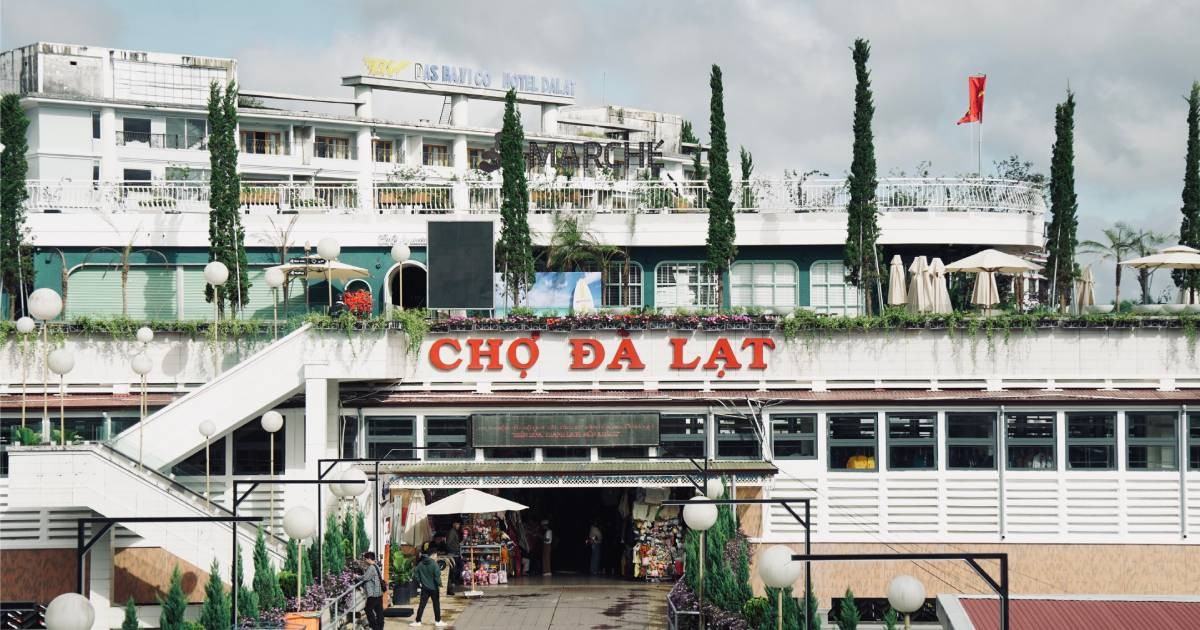
Staying near Xuan Huong Lake and the central Hoa Binh area keeps the market, cafes, and night market within walking distance. Quieter, scenic stays cluster around Tuyen Lam Lake and the pine slopes just outside town, ideal if you want calm and views.
Options run from budget guesthouses and boutique homestays to French-villa hotels and hillside resorts.
Compare current rates for hotels in Da Lat to match your dates and budget.
How much does a Da Lat trip cost?
Da Lat is easy on the wallet.
Budget travellers can get by on around $39–65 a day, covering a guesthouse, local meals, coffee, and a couple of sights.
A mid-range day with a nicer hotel, tours, and restaurants lands around $90–194. Big-ticket activities like a full canyoning day (about $78) or private transfers are the main add-ons.
Prices vary by season and are highest around the December flower festival.
Da Lat vs Nha Trang: which should you choose?
If you want beaches, diving, and reliable sun, Nha Trang on the coast is the pick. If you want cool air, misty scenery, waterfalls, coffee culture, and a break from tropical heat, Da Lat wins.
The good news is they are only a few hours apart, so many travellers do both: a few beach days in Nha Trang, then up into the highlands for the pine forests and lakes.
[[nid:739472]]
This article was first published in Wego.
Read the full article here