

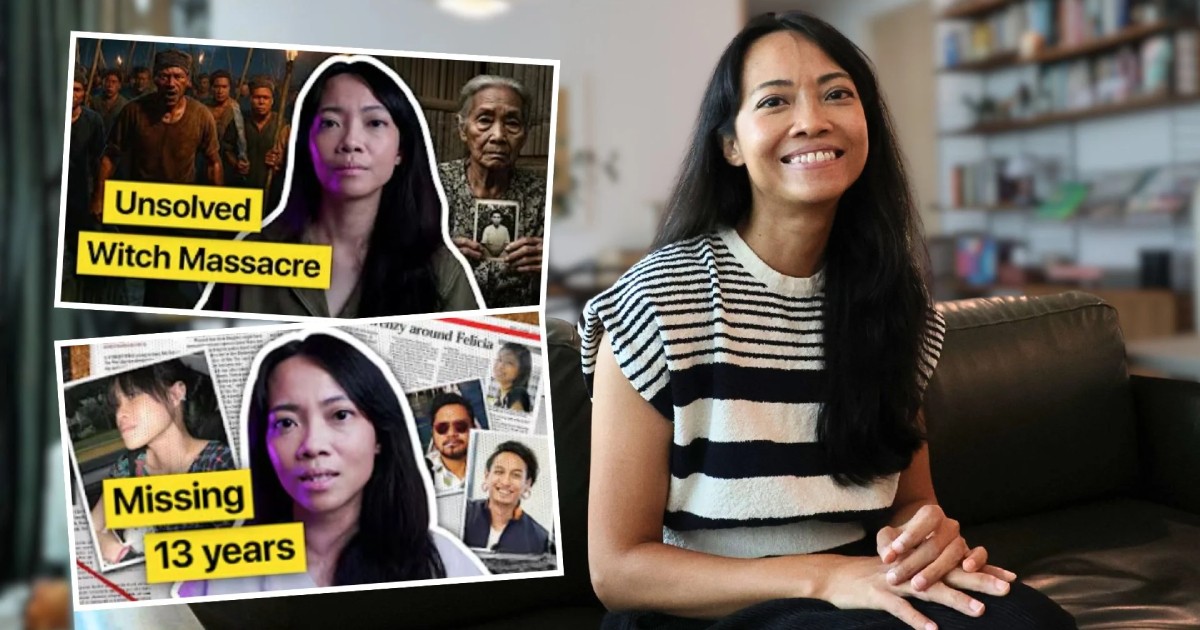

The week Fariza Salleh lost her job, she also found out she had chronic kidney disease – a condition that, as health experts often stress around World Kidney Day (March 12), can progress without obvious symptoms.
Hers was a serious diagnosis discovered almost by accident, during a routine health screening.
“I nearly skipped the health screening,” Fariza says. “I felt fine. I was busy. I thought, later lah.”
But at the behest of her husband, she decided to get herself checked. Days later, she was sitting across from a doctor explaining that her kidney function was severely compromised.
“[The doctor] looked at the report quickly and he was like, ‘Oh, this is very bad. Like, you have late-stage chronic kidney disease. I’m surprised nobody has followed up with you urgently.’ And I remember I was just crying. I was so lost.”
“I was like, ‘What does that mean? Chronic kidney disease? It doesn’t run in my family. Nobody I know has kidney disease or kidney failure. How is this possible?'”
“It felt like my entire life got reset in five working days.”
Fariza, now 39, had spent over 15 years in corporate roles across media, marketing, and tech. Stable job. Clear career path. The kind of role relatives nod approvingly at during festive gatherings.
And then, suddenly, none of that existed anymore.
When your body forces you to rethink your life
Chronic Kidney Disease (CKD) is often framed as an “older person’s illness”, something that happens much later in life. So when Fariza walked into a renal clinic, she felt wildly out of place.
“I was easily 20 years younger than most patients there,” she recalls. “Everyone kept double-checking if I was in the right department.”
Her CKD was caused by an autoimmune disease. Her own body was attacking her kidneys without warning. Overnight, she went from a “generally healthy adult” to someone managing monthly blood tests, medication schedules, and strict dietary restrictions.
Foods people casually recommend as “healthy”, such as bananas, avocados, spinach, and protein shakes, were suddenly off the table.
“Eating became stressful. Food is such a social thing in Singapore, and suddenly you’re the one reading labels and asking awkward questions.”
The diagnosis also came with a sobering reality: she would likely need dialysis or a kidney transplant within five to ten years.
“If you’re told you have a limited runway,” Fariza says, “you start asking very different questions about how you want to spend your time.”
As if the diagnosis wasn’t enough, she had to deal with being laid off.
Fariza remembers sitting through the meeting calmly… too calmly, she recalled. Shock has a way of numbing you before the emotions arrive later, all at once.
What she didn’t expect was what happened next.
That same day, Fariza recorded a short TikTok video talking honestly about losing her job.
The video went viral.
“I didn’t post it to be brave. I posted it because I needed to process it out loud.”
Thousands of comments poured in, not just sympathy, but something else: opportunity. People asking if she could help with content, storytelling, and brand strategy. People who trusted her voice because it felt real.
Within a weekend, Fariza had more than 50 enquiries. Three turned into paying clients almost immediately.
That unexpected momentum became the foundation of Make Good Studio, the content marketing business she now runs with her husband, who left his own corporate job to build it with her.
@frouhaha
I will do a lot for not much money
♬ original sound – big sis energy
Leaving corporate wasn’t a dream, it was a decision
Fariza was quick to clarify: this wasn’t a glamorous “girlboss quits corporate” fantasy.
“I didn’t want to look for another 9-to-5 job anymore,” she confessed. “My body also told me I couldn’t keep living the same way.”
Burnout suddenly felt dangerous, not just unpleasant.
“When your health is compromised, stress isn’t just stress anymore.”
Make Good Studio works primarily with wellness, healthcare, and lifestyle brands — clients whose values align with Fariza’s lived experience. The studio focuses on long-form storytelling, ethical messaging, and content that doesn’t rely on rage-bait or empty virality.
The name comes from the concept of amanah, an Arabic term meaning ‘responsibility and trust’.
“People took a chance on me,” she says. “I wanted to make good on that.”
https://www.instagram.com/p/DNNXw_2zu4q/
Why true crime?
Alongside client work, Fariza also launched Side Notes, a YouTube channel and podcast exploring true crime, culture, and social issues in Asia.
Unlike many true crime platforms, Side Notes deliberately avoids sensationalism.
“I didn’t want to turn trauma into entertainment.”
Instead, episodes focus on context, systemic issues, and the lives behind the headlines, similar to another popular True Crime YouTube channel, Rotten Mango. One case that stayed with her deeply was the disappearance of Felicia Teo.
“She was creative, young and full of potential. It reminded me how fragile life really is.”
True crime, for Fariza, isn’t about shock value — it’s about reflection.
Turning illness into awareness
It took a long time for Fariza to come to terms with her illness. She didn’t tell anyone outside of her family and close friends for a good 6 months. Eventually, Fariza decided to speak publicly about her CKD diagnosis too… not for sympathy, but for awareness.
March is CKD Awareness Month, and Fariza now regularly reminds her audience of a hard truth: CKD often has no obvious symptoms until it’s advanced.
“Your Apple Watch can’t detect kidney disease.”
Routine health screenings, she stresses, matter especially for younger adults who assume they’re too young to worry.
Her inbox is now filled with messages from strangers asking about symptoms, tests, and diagnoses.
“If sharing my story helps even one person catch something early, it’s worth it.”
Dreaming big, in spite of the blows
When asked what she’s most proud of this year, Fariza pauses for a long time.
Finally, as tears started welling up in her eyes, she said, “That I didn’t give up.”
“I didn’t think I was capable of starting over like this, especially not while dealing with a chronic illness.”
She doesn’t pretend to have everything figured out. Dialysis and transplant conversations still loom. Fear still shows up sometimes.
But so does clarity.
“I don’t live on autopilot anymore,” she says. “I choose my work. I choose my pace. I choose what matters.”
For now, that’s enough.
And maybe that’s the quiet lesson in Fariza’s story: sometimes, the scariest moments in life don’t end you.
They force you to finally start living with intention.
[[nid:728423]]
This article was first published in Wonderwall.sg.
Read the full article here