






A surrealist love story from Mozambique was one of the works-in-progress of the 2026 edition of Open Doors, the Locarno Film Festival‘s co-production platform and talent development program for filmmakers from equity-seeking communities and regions where artistic expression is at risk.
Its title is Chapa 100, and it comes from director Ique Langa, whose debut feature The Prophet (O profeta) world premiered at the International Film Festival Rotterdam this year.
The project, presented during the second edition of Open Doors with a focus on films from Africa, is being produced by Lara Sousa of Kulunga Filmes.
THR has compiled highlights about the movie and insight from Langa about Chapa 100 and the themes it explores.
Synopsis
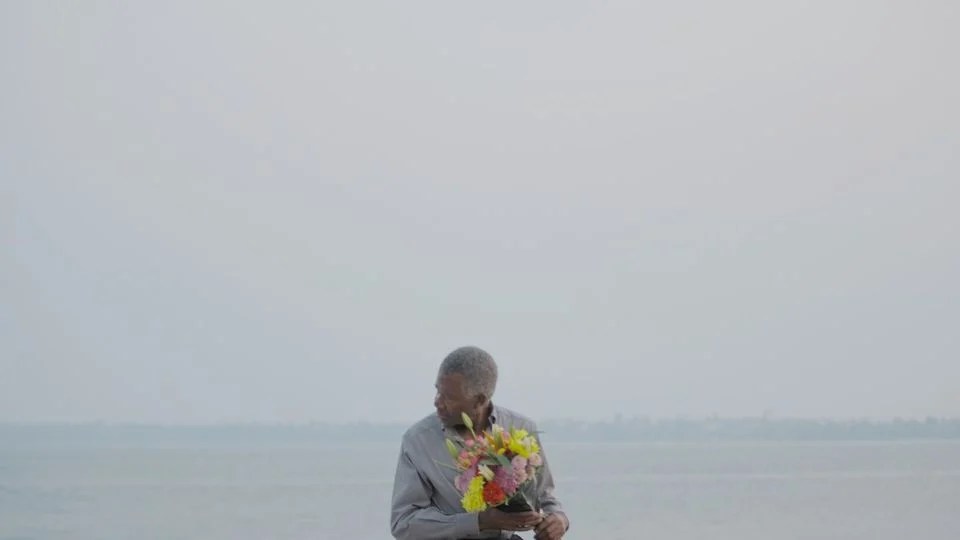
In the busy streets of Maputo, 80-year-old flower vendor Sitóe offers brief moments of beauty to strangers passing through the city’s crowded “chapas,” the local minibuses that carry thousands of people every day. One morning, he meets Valentina, a vegetable seller in her seventies, and a simple flower sparks a quiet romance. Together, they dream of owning a small piece of land where flowers and vegetables can grow side by side.
When a thief steals Valentina’s rented wig, Sitóe runs after him and is struck by a speeding chapa. The city moves on, but Sitóe does not. His spirit becomes tied to the very minibus that killed him, traveling through Maputo day after day among passengers carrying their hopes, grief, and exhaustion. Flowers slowly begin to bloom inside the vehicle, subtle signs of his lingering presence. One day, Valentina boards the chapa carrying the flower Sitóe once gave her. Surrounded by the quiet traces of his spirit, she feels his love beside her once again.
Director’s note
I grew up surrounded by chapas, the rhythm of Maputo, and the quiet resilience of ordinary people. I watched vendors begin work before sunrise, passengers share crowded buses, and strangers care for one another in fleeting but meaningful ways. These moments shaped Chapa 100.
For me, the chapa is more than transportation. It is a moving portrait of the city, a place where lives briefly intersect through exhaustion, humor, silence, and hope. Through the character of Sitóe, I want to explore love, dignity, and the invisible emotional bonds connecting people. Above all, Chapa 100 is a tribute to those who continue moving forward with tenderness and grace despite hardship.
What triggered the inspiration for you to want to make this film?
Chapa 100 began with a dream. I imagined a chapa transforming into something almost magical, with flowers growing from it and carrying people through the city.
From there, the story became about Sitóe and Valentina, two people in their 70s who unexpectedly find love. I was drawn to the idea that we never stop having the capacity to dream, no matter our age or circumstances.
The film is really about love and the power of dreams, about what happens when two people allow themselves to imagine that life could still be different, even when the odds are against them. There is something very beautiful to me about an old love that is not about looking back, but about discovering that there can still be a future.
It is also a film about grief and the way love can continue to connect us to life, even when we experience loss. But I don’t want to say too much about that. I want the film to allow those ideas to unfold through the characters and the world of Maputo.
How universal are the themes of the film, and why should people outside Mozambique see it?
Although Chapa 100 is very much a film of Maputo, I think its emotional core is universal. It is about love, loneliness, ageing, hope, loss and, above all, the courage to keep dreaming.
Sitóe and Valentina are older, but their desire for love and for a different future is completely alive. I think there is something powerful in seeing people who society might consider to be at the end of their journey deciding that they still have dreams worth pursuing.
I hope audiences outside Mozambique can enter the film through that. They may not know Maputo or have ever travelled in a chapa, but they understand what it means to love, to lose, to hope, and to dream against all odds.
What is the next step for you and your collaborators after Open Doors?
The next step is to continue developing the screenplay, financing the film and finding the right international partners to bring Chapa 100 into production in Maputo.
I feel very lucky to be walking this path with my lead producer, Lara Sousa. Through Kulunga Filmes, she has been developing and producing work rooted in authentic, collaborative African cinema, and she brings a great deal of experience in both filmmaking in Mozambique and international co-production. Having a Mozambican woman with that experience and fire leading the ship alongside me is very meaningful.
I’m also very excited to be developing the visual language of the film with Mostafa El Kashef as our director of photography. His sensibility is very aligned with what I want for Chapa 100, finding the poetry and beauty within the reality of Maputo, while allowing the more dreamlike elements of the story to emerge naturally.
For us, Open Doors was about building community with our fellow African filmmakers who also brought so much generosity and grace by sharing their beautiful films and hearts with us. This reminded us that even in our loneliest times as filmmakers, we are never alone. And last but not least, Open Doors was also about finding the right partners and collaborators to help bring the film to life without losing what makes it ours. We want Chapa 100 to remain deeply connected to Mozambique, while allowing its story about love, dreams and hope to travel far beyond it.
Read the full article here