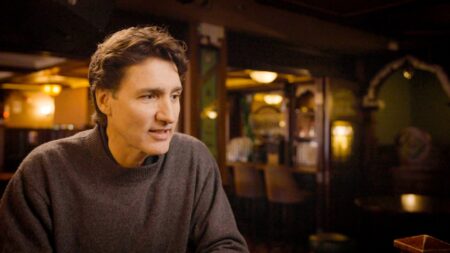




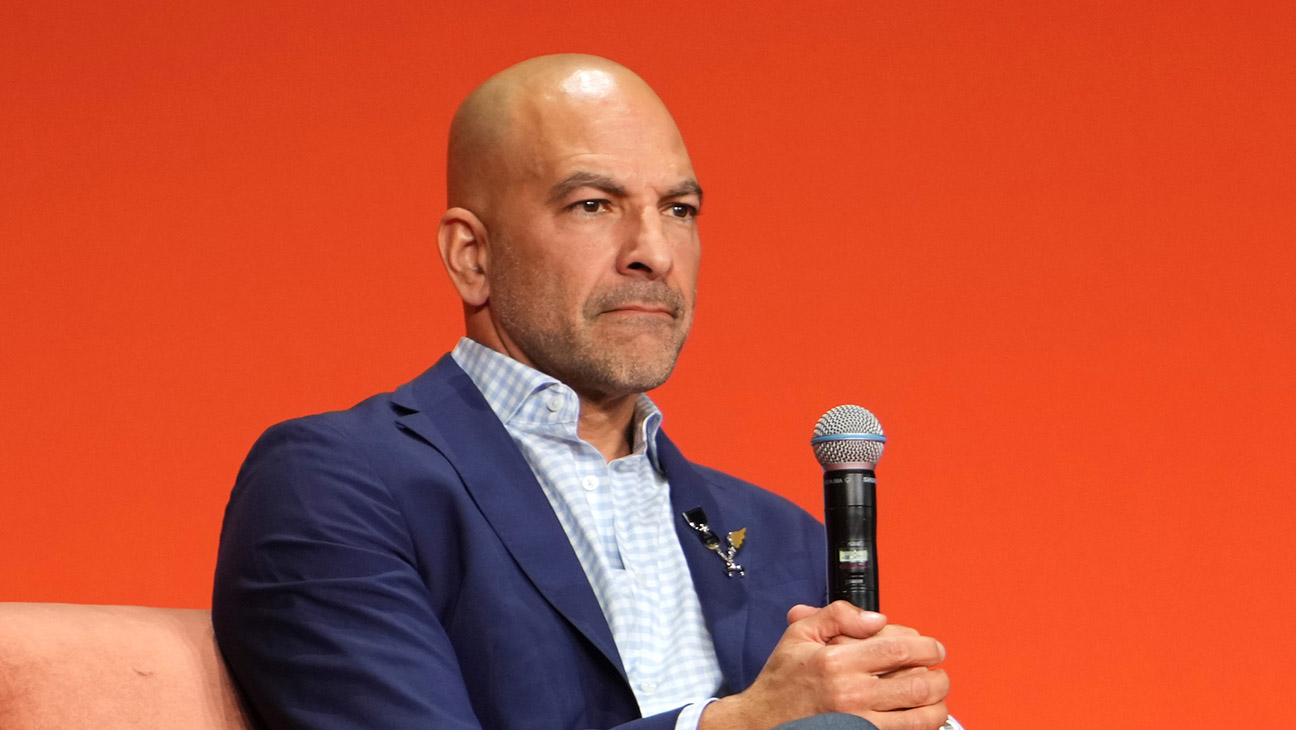


CBS has pulled a 60 Minutes segment featuring longevity researcher (and recently named CBS News contributor) Peter Attia from a repeat of the newsmagazine. The decision comes a few days after the latest release of documents related to sex offender Jeffrey Epstein included a host of correspondence between Attia and Epstein.
The 60 Minutes piece first aired in October, well before CBS News editor-in-chief Bari Weiss announced Attia would be among a slate of new contributors to the division. It was slated to be part of a rerun airing opposite the Super Bowl on Sunday, but in the wake of the newest Epstein files release from the Department of Justice, CBS News will replace it with another piece. The segment (which as of publication time was still on the 60 Minutes YouTube account) features correspondent Norah O’Donnell discussing Attia’s research on longevity medicine with him.
Attia’s name appears some 1,700 times in the 3 million Epstein documents released on Jan. 30. The bulk of the emails between Attia and Epstein are from the mid-2010s — after Epstein was convicted (in 2008) on a Florida charge of soliciting prostitution from someone under 18 but before a 2018 Miami Herald exposé on a host of allegations against Epstein and his second arrest in 2019.
In the messages, Attia and Epstein exchange often crude banter. A 2016 email from Attia with the subject line “confirmed” reads “P**sy is, indeed, low carb. Still awaiting results on gluten content, though.”
Attia has a medical degree and has focused on longevity research in his career, and a good amount of his correspondence with Epstein is related to medical matters. In a 2016 exchange, Epstein asks Attia for an explanation of test results, and Attia replies that they should take time to go over the full set of results. He concludes by asking, “Have you decided if you’re interested in living longer (solely for the ladies, of course)?”
Another email thread between the two men, from June 2015, carries the subject line “Got a fresh shipment” and begins with Attia sending an email. Epstein replies “me too” with a redacted photo. After an exchange about the photo, Attia writes, “You [know] the biggest problem with becoming friends with you? The life you lead is so outrageous, and yet I can’t tell a soul …”
The Hollywood Reporter has asked CBS News for comment on Attia’s status as a contributor.
Attia posted a long apology for the emails with Epstein on X, saying in part “I I apologize and regret putting myself in a position where emails, some of them embarrassing, tasteless, and indefensible, are now public, and that is on me. I accept that reality and the humiliation that comes with it.”
Attia says he met Epstein in 2014 and saw him on “seven or eight occasions” over the next several years at Epstein’s home in New York. He says he never went to the private island where much of the sex trafficking allegations against Epstein occurred. He also gave his explanation for the “fresh shipment” email conversation.
“In June 2015, I sent Epstein an email with the subject line ‘Got a fresh shipment.’ The email contained a photograph of bottles of metformin, a medication I had just received from the pharmacy for my own use. The subject line referred to the picture of the bottles of medication.
“He replied with the words ‘me too’ and attached a photograph of an adult woman,” presumably the redacted photo in the DOJ documents. “I responded with crude, tasteless banter. Reading that exchange now is very embarrassing, and I will not defend it. I’m ashamed of myself for everything about this. At the time, I understood this exchange as juvenile, not a reference to anything dark or harmful.
“At that point in my career, I had little exposure to prominent people, and that level of access was novel to me. Everything about him seemed excessive and exclusive, including the fact that he lived in the largest home in all of Manhattan, owned a Boeing 727, and hosted parties with the most powerful and prominent leaders in business and politics. I treated that access as something to be quiet about rather than discussed freely with others. One line in that exchange, about his life being outrageous and me not being able to tell anyone, is being interpreted as awareness of wrongdoing. That is not how I meant it at all. What I was referring to, poorly and flippantly, was the discretion commanded by those social and professional circles — the idea that you don’t talk about who you meet, the dinners you attend and the power and influence of the people in those settings. What I wrote in that email reads terribly, and I own that.”
Read the full article here