





EPIDAURUS, Greece — As Christopher Nolan’s The Odyssey renews global fascination with Homer, a cast of disabled and non-disabled performers in Greece is staging the war’s other story.
It’s not about the triumph of returning heroes, but the suffering they left behind.
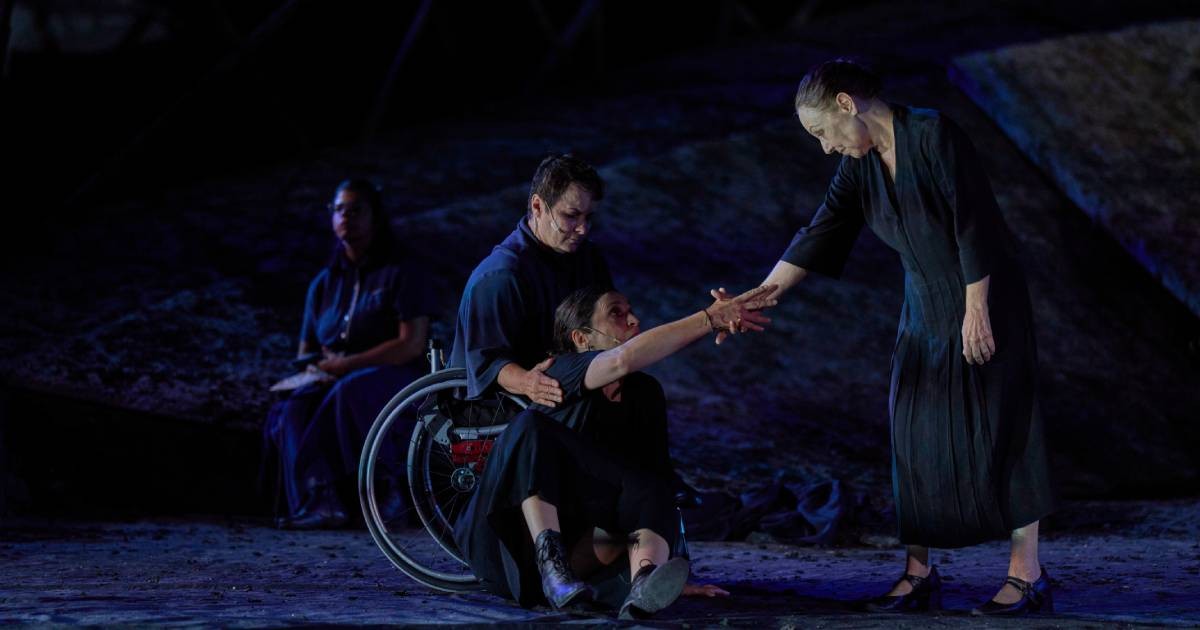
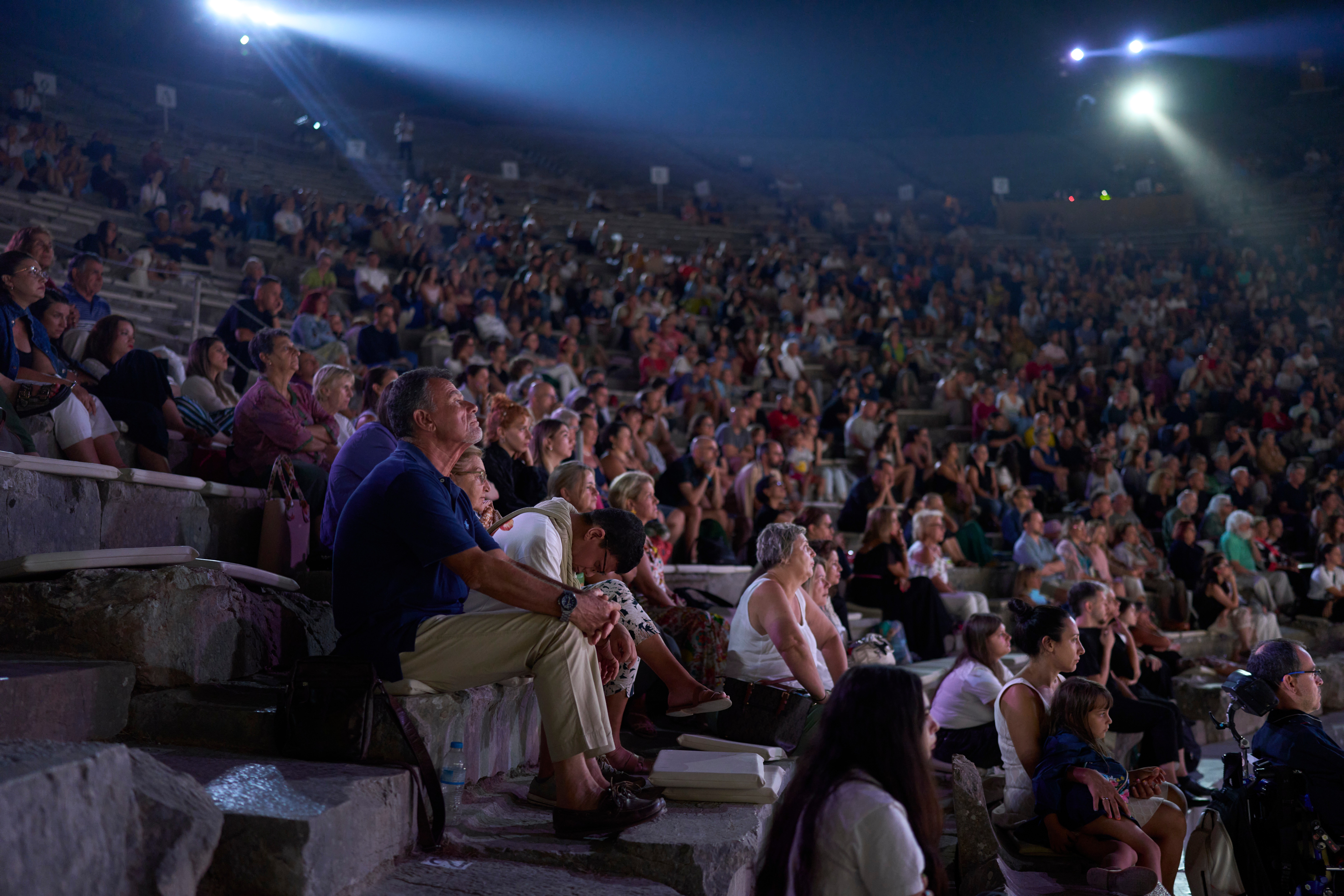
The Trojan Women, with a cast of 22, was staged at Epidaurus, the ancient open-air stone arena in southern Greece. It marked what organisers called the first fully accessible performance in the ancient theatre’s 2,300-year history.
While Homer followed warriors sailing home from Troy, the playwright Euripides — writing some three centuries later — turned to the city’s ruins and its women, forced into exile and enslavement.
The ancient theatre offered a full range of accessibility services for the Aug 2 performance. Blind audience members received Braille programmes, tactile models and live audio description, while deaf spectators followed overhead titles. Physical adaptations also improved access throughout the site.
“It’s the first time a performance at Ancient Epidaurus has been made accessible to everyone,” said Greg Polychronidis, a Paralympic gold medallist who attended the event. “Today was a celebration of equality and it should serve as an example for everyone, forever.”
For many of the performers, standing on the ancient stage was itself part of the message: a voice for those often overlooked. Eirini Kourouvani, a 58-year-old cast member who uses a wheelchair, had never set foot inside the theatre before.
“It is just grand,” she said. “I feel my heart opening up as wide as this theatre is.”
Ioanna-Maria Gertsou, a blind psychologist, attended with Babu, her guide dog.
“We too have the right to attend performances on an equal footing,” she said, relieved that her dog remained quiet during the play.

The National Theatre of Greece produced the performance, and accessibility services were designed by the nonprofit Liminal with financial support from Greece’s Alpha Bank.
Argyro Chioti, the National Theatre’s artistic director, said the production should become the norm rather than the exception.
“This was complex, not simple. It required months of planning. It cost money. And it required very specific organisational expertise,” she said. “But that’s the standard and venues we need to reach — the major stages and the major theatres.”
[[nid:740720]]
Read the full article here