



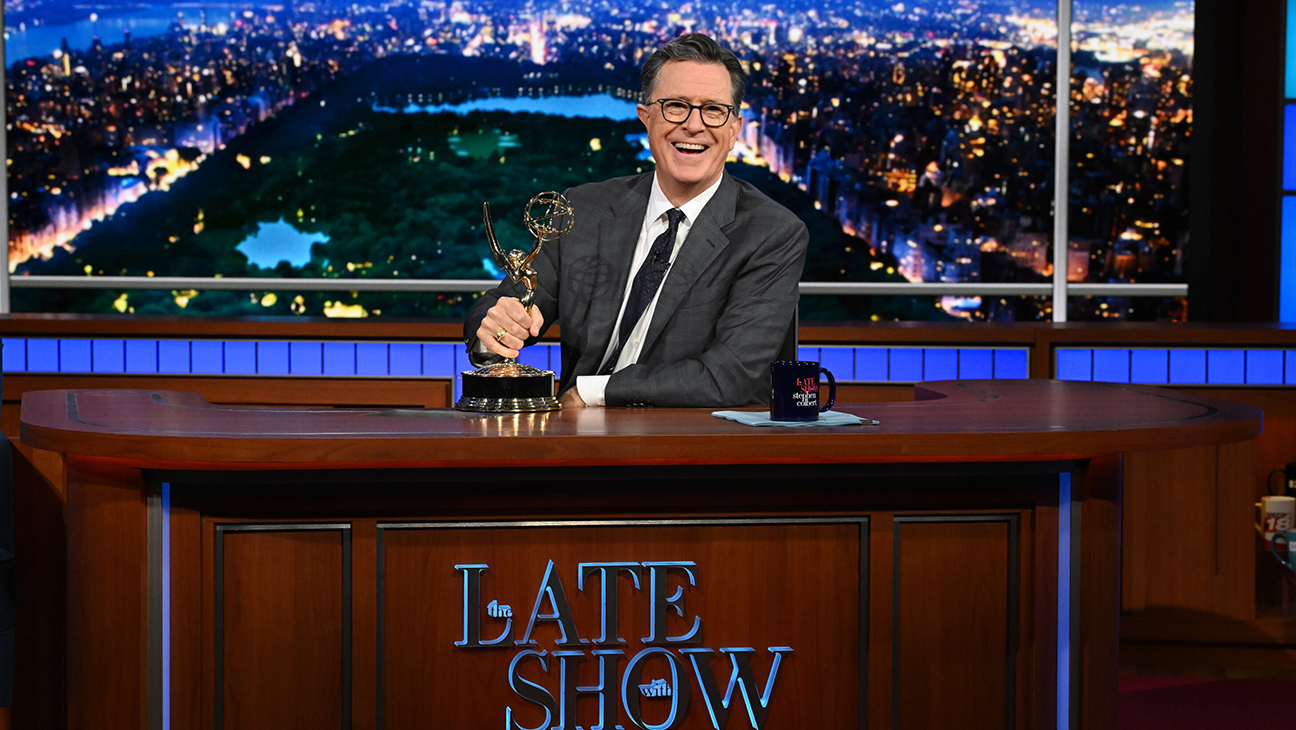

The public brouhaha enveloping CBS, The Late Show with Stephen Colbert and the Federal Communications Commission has put the spotlight on the network and the regulator over questions of censorship and political pressure.
But amid the back and forth between the late night host, the FCC and the network, CBS itself is quietly emerging as a winner in the high-stakes U.S. Senate race that has captured public attention, capturing hundreds of thousands of dollars in February alone from Democratic hopefuls James Talarico and Jasmine Crockett, as well as Republicans John Cornyn, Ken Paxton and Wesley Hunt.
CBS owns KTVT, the station that serves the Dallas-Forth Worth metroplex, and a review of its political files underscores how the battle for the Senate is running through broadcast TV, and the distinct strategies that each campaign is pursuing.
In February alone, Talarico committed $169,350 in ad spending on the Dallas CBS station, with early primetime access, local news and the daytime game show The Price is Right securing the most cash from the state representative’s campaign.
Crockett, meanwhile, has spent more of her campaign dollars on digital advertising, but still committed $52,700 on the CBS station in February, with daytime soaps The Bold & The Beautiful, The Young & The Restless, and local news securing the most spots.
Notably, Crockett also spent $1,400 to advertise during The Late Show, including on Monday’s show, which featured (or didn’t feature?) the Talarico segment. A 30-second spot on the Late Show has a rate of $200 on the station, the files show, making it the cheapest show that Crockett bought time on (The Bold & The Beautiful rate for 30 seconds was $1,000, with local news ranging from $400-$900).
The political files show that in the Republican race, Cornyn, Paxton and Hunt also spent hundreds of thousands of dollars between them in the last month on the CBS station.
The spending by the Senate hopefuls on KTVT underscores how important local TV is to national politics, even as consumers increasingly spend more time on digital platforms. It also paints this week’s public controversy in new light.
On Monday, Colbert revealed that CBS blocked an interview he had planned with Talarico (the network disputes that, saying it gave Colbert a number of options, and that the show chose to put the interview on YouTube), and Colbert responded in turn the following night, seemingly exasperated with the network.
But the Talarico interview turned into a bonanza for the candidate and the show, with the interview garnering tens of millions of views on YouTube and other platforms, and raising millions of dollars for his campaign.
Meanwhile, FCC Chairman Brendan Carr told reporters this week that he was amused by the incident, while also reiterating that he believes that talk shows aren’t bona fide news, and that the Commission will pursue enforcement actions against shows that host candidates without offering equal time or applying for an exemption.
“Congress passed the equal time provision for a very specific reason,” he said. “They did not want the media leads in Hollywood and in New York to put their thumbs on the scale and pick their winners and losers in primaries and general elections. That’s the point.”
Ironically, the decision by the Late Show to put the spotlight on the interview may have had just such an impact.
Read the full article here