




As of June 30, the heatwave that has gripped much of Europe has now reached Greece, though conditions are not forecast to be record-breaking or dangerous as they have been elsewhere, and the country is bracing for a hotter and drier than usual summer overall.
The Hellenic National Meteorological Service (HNMS) and Greek forecasters expect repeated warm-air intrusions from North Africa to push temperatures past 40 deg C during July and August.
For now, Athens and much of the mainland are in the mid-30s, with temperatures locally reaching up to 37 deg C inland, hot but still manageable, and the most intense conditions are still ahead.
That makes early planning around the heat the single most useful thing a summer traveller can do.
If Greece is on your list, then read on for how the heat varies across the mainland and islands.
Weather in Greece now (late June 2026)
Greece is now feeling the European heatwave, but conditions remain hot rather than dangerous, without the record-breaking extremes seen in parts of Italy and the Balkans.
Athens is seeing daytime highs in the mid-30s, with mostly clear skies and only isolated afternoon thunderstorms possible inland and in the northwest, which is broadly typical for late June and early July.
The bigger story is the forecast for the rest of the season. Meteorologists warn of prolonged heat, severely limited rainfall, and an uptick in “tropical nights”, when temperatures fail to drop below 20 to 25 deg C and make sleep harder.
For live conditions, warnings, and fire-risk updates, check the official HNMS forecasts before you travel. During severe heat, authorities have closed the Acropolis in Athens during the hottest afternoon hours, so build flexibility into your sightseeing plans.
Greece summer at a glance
Greece in summer is reliably sunny and dry almost everywhere. The key difference between regions is how the heat feels: the mainland bakes, while the Aegean islands are cooled by the meltemi winds.
| Region | Typical summer high | What to expect | Best for |
| Athens and the mainland | 33 to 38 degrees, 40+ in heatwaves | Hot and dry, intense midday heat in the city | History, early-morning sightseeing |
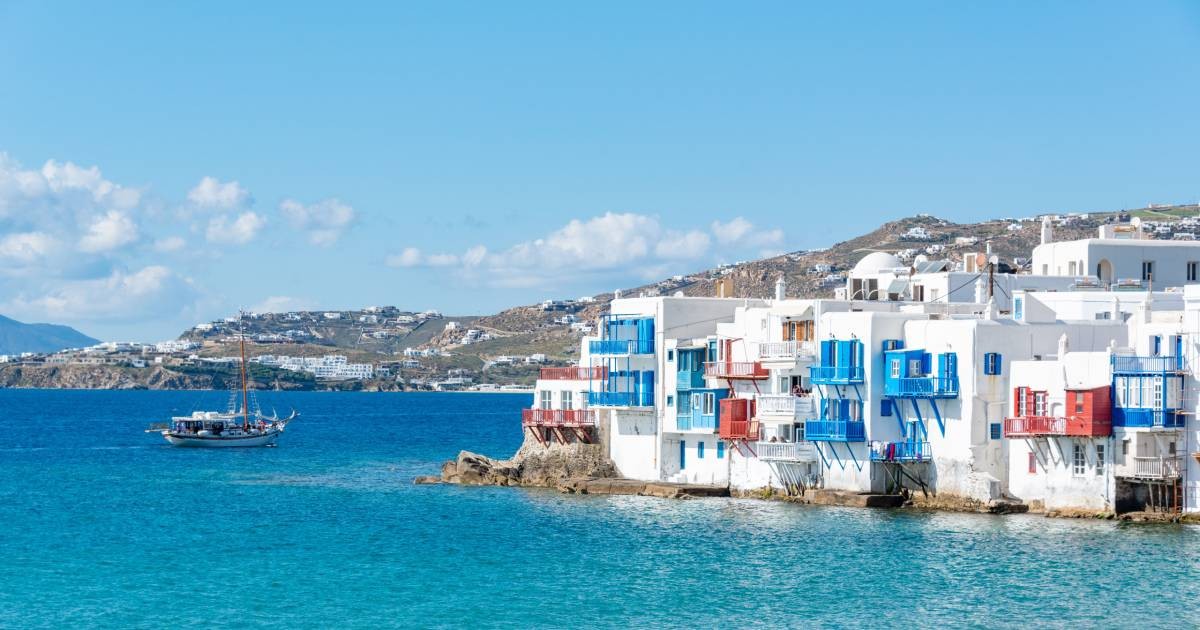
| The Cyclades (Santorini, Mykonos) | 28 to 30 degrees | Cooled by the meltemi winds, fresher than the mainland | Beaches, island hopping, sunsets |
| Crete and the south | 29 to 33 degrees | Long hot summer, warm seas, southern sun | Beaches, gorges, longer stays |
| North and the Ionian (Corfu) | 30 to 33 degrees | Hot, greener and a touch more humid in the west | Lush scenery, family beaches |
Sea temperatures are warm and inviting across the country in summer, often sitting in the mid-20s, which is part of why July and August are peak season despite the heat.
Athens and the mainland
Athens is the hottest place most visitors will experience, with summer highs of 33 to 38 degrees and spikes above 40 during heatwaves. The city’s concrete and limited shade trap heat, and nights stay warm well into the evening.
The practical answer is timing. See the Acropolis and central Athens early in the morning or in the last hours before sunset, and reserve the hot midday window for air-conditioned museums or a long lunch.
- Carry water everywhere and refill often, as fountains are limited in the city centre.
- Plan an early start, ideally at opening time, for major archaeological sites.
- Check whether the Acropolis has announced afternoon closures during extreme heat.
The Cyclades: Santorini, Mykonos and the meltemi
The Cyclades feel noticeably cooler than the mainland thanks to the meltemi, the strong northerly wind that blows hardest in July and August.
Highs typically sit around 28 to 30 deg C, and the dry breeze keeps the air feeling fresher than the numbers suggest.
The trade-off is that the meltemi can whip up choppy seas and gusty afternoons, which occasionally disrupts ferries and small-boat trips. North-facing beaches in particular can get rough when the wind is up.
Compare flights to Santorini, browse hotels in Mykonos, and check ferry updates the day before any inter-island hop during windy spells.
Crete, the north and the Ionian
Crete has the longest, most dependable summer in Greece, with highs around 29 to 33 degrees and very warm seas well into autumn. Its size means you can pair beach days with mountain villages and dramatic gorges like Samaria.
On the mainland north, Thessaloniki runs hot at around 30 to 33 deg C and can feel humid near the coast.
The Ionian islands to the west, including Corfu, are greener and slightly more humid than the Aegean, with similarly hot summer days.
For a beach-focused trip with reliable heat, flights to Heraklion in Crete are a strong starting point for the south.
Practical tips for a Greece summer trip
Greece rewards travelers who plan around the heat rather than against it, especially in a summer forecast to run hot and dry.
- Sightsee early and late, and treat the midday hours as downtime for the beach, a pool, or a shaded lunch.
- Hydrate constantly and use sunscreen, a hat, and light, breathable clothing, as the sun is strong even on breezy island days.
- Watch official HNMS forecasts and any heat or wildfire warnings, which can affect site openings and excursions.
- For the Cyclades, build a buffer day into ferry plans in case the meltemi disrupts sailings.
- Book islands and popular hotels well ahead, since July and August are the busiest and most expensive months.
Frequently asked questions
What are the meltemi winds?
The meltemi is a strong, dry northerly wind that blows across the Aegean, strongest in July and August. It cools the islands and clears the skies, but it can also make seas choppy and disrupt ferry schedules.
[[nid:739508]]
This article was first published in Wego.
Read the full article here