



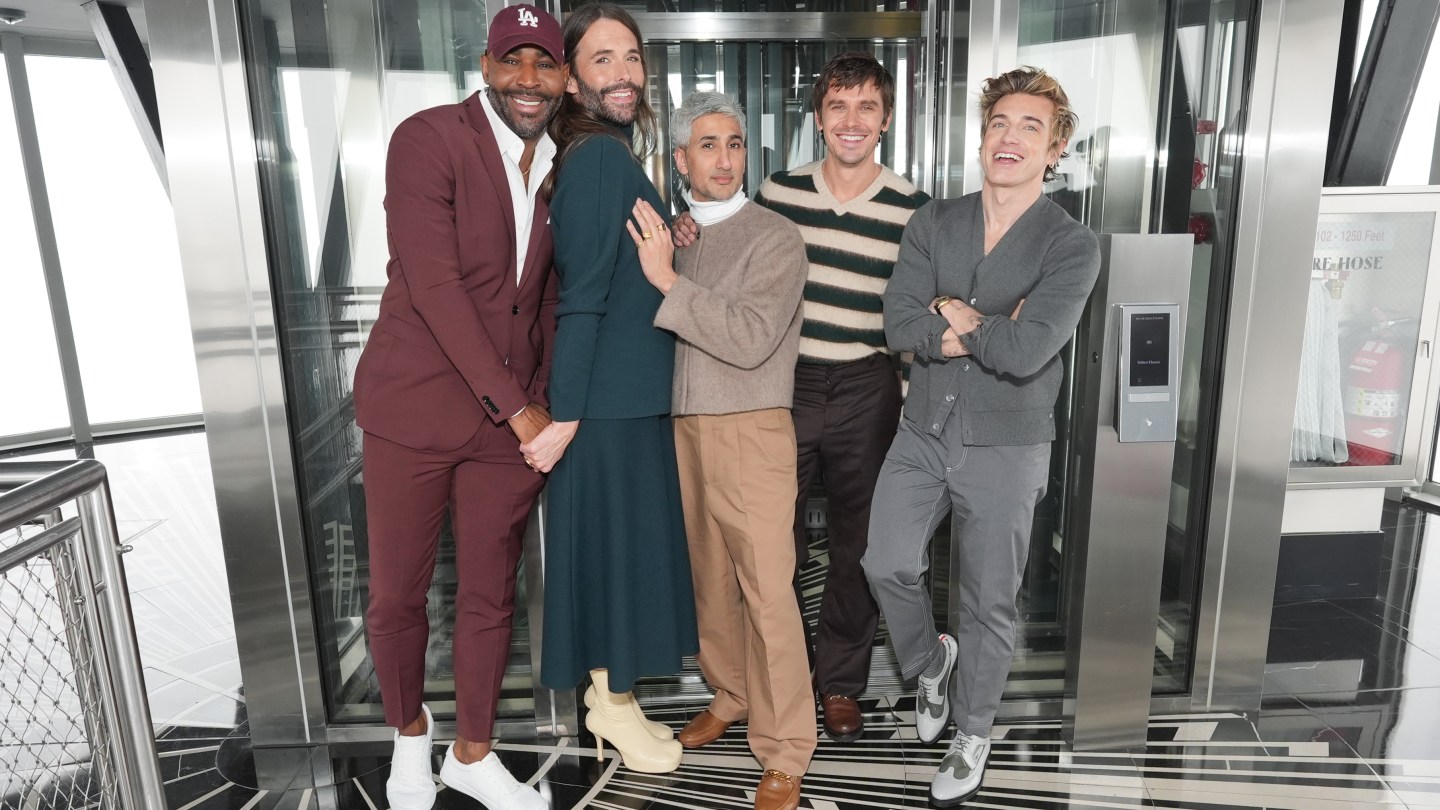

Twenty-five years ago, I sold a television show built around five openly gay men. At the time, many people thought it was a niche idea. Instead, Queer Eye for the Straight Guy became a global phenomenon. Not because America suddenly wanted “gay television,” but because people wanted humanity.
They wanted laughter. Transformation. Hope. Empathy. They wanted to believe that people who looked different, loved differently and lived differently still wanted exactly what they wanted: connection.
That was always the point.
Over the last quarter century, through my company Scout Productions, I’ve had the privilege of creating and producing series that continued that mission. Queer Eye for the Straight Guy ran for five seasons on Bravo beginning in 2003, then was reborn on Netflix simply as Queer Eye for ten more, totaling well over 200 episodes. More importantly, it introduced millions of viewers to gay men not as stereotypes or sidekicks, but as experts, caregivers, neighbors and friends. It didn’t just change television. It changed conversations happening around kitchen tables across America.
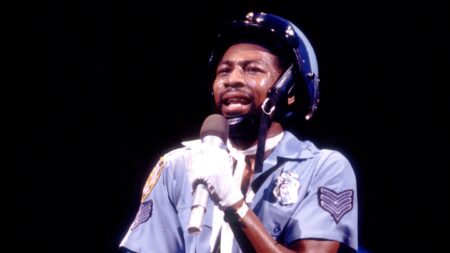
Legendary introduced the ballroom scene to audiences who had never witnessed its artistry, resilience or history. For anyone unfamiliar with the series, it brought ballroom’s competitive performance culture — built over decades by Black and Latino LGBTQIA+ communities — where chosen “houses” compete through voguing, fashion and sheer presence, to the small screen. Ballroom wasn’t invented for television. It was born because marginalized people built families when society refused to give them one. Watching those performers finally receive the recognition they deserved remains one of the proudest moments of my career.
Another series I created at Scout, The Gentle Art of Swedish Death Cleaning, quietly centered a gay man whose compassion became the emotional heart of the series. The Hype, our streetwear design competition series, celebrated a fashion culture built by creators from communities that have long influenced mainstream culture without always receiving the credit, including guest judge Dapper Dan. OMG Fashun paired the incomparable Law Roach and Julia Fox to celebrate creativity that refuses to fit neatly into a box.
None of these were “gay shows.” They were great shows.
Yes, they were unapologetically inclusive, greenlit by executives who believed television could broaden perspectives and bring new voices into the mainstream. But they only succeeded because they entertained wider audiences. Representation may have opened the door. Great storytelling is what compelled audiences to stay.
Along the way, these series helped normalize LGBTQIA+ lives for millions of viewers. They created empathy where there had once been distance. Curiosity where there had once been discomfort. They reminded audiences that our common humanity will always be more compelling than our differences. The amount of acceptance soon skyrocketed, documented by one study and essay after another.
Today, we’re watching those opportunities disappear. As scripted production contracts and studios become increasingly risk-averse, LGBTQIA+ stories are quietly slipping off our screens. Not because audiences rejected them. Not because they failed commercially. In many cases, they succeeded. But something has changed.
As streamers consolidate and chase global hits, there are fewer buyers in the room and far less appetite for anything that can be labeled a risk. Decisions that once turned on whether a show was good increasingly turn on whether it’s safe, frictionless, and easy to sell in every market at once. Stories rooted in a specific community are the first to be called too narrow, even when they prove to be the ones that travel furthest.
You don’t have to search very hard for evidence. Fewer original LGBTQIA+-centered series are being commissioned. Diversity initiatives that once expanded the range of voices in our industry have been scaled back or eliminated across parts of Hollywood. In its most recent Where We Are On TV study GLAAD found that the number of LGBTQ characters had declined across all TV and streaming platforms by 23% since 2022. Projects that once would have been evaluated primarily on their creative potential now often carry an additional question: “Is this worth the risk?” Fear rarely announces itself. It reveals itself through the stories that quietly stop getting made.
But here’s the irony: the most universal stories are always the most specific.
When Queer Eye premiered, people told us America wasn’t ready. America proved them wrong.
When Legendary premiered, people who had never heard of ballroom culture fell in love with it because excellence is contagious. That’s what television has always done at its best. It introduces us to people we thought were strangers until we realize they’re reflections of ourselves.
One example continues to break my heart. Legendary was one of the highest-rated competition series of its kind and one of the first mainstream shows to celebrate ballroom culture with the respect, spectacle, and authenticity it deserved. We weren’t borrowing from ballroom, we were handing the microphone to the very community that created it. When HBO Max restructured its library, all three seasons were pulled and an extraordinary cultural document quietly disappeared from public view. Today, all thirty original episodes are effectively impossible for audiences to find, outside of clips and memes that still dominate the zeitgeist. They’re sitting on a shelf while the culture they celebrated has never been more influential.
Look around. Ballroom continues to shape fashion, music, dance, and popular culture. Lady Gaga and Doechii are drawing from that creative lineage. Broadway is embracing ballroom aesthetics in bold new ways. The language, movement, style and confidence born in those ballrooms continue to ripple through culture, often without people realizing where they came from.
The zeitgeist has finally caught up to what Legendary was celebrating years ago, and yet the very series that documented, elevated, and celebrated that community has vanished from public view.
That’s backwards.
Some will argue that these stories aren’t as urgently needed because we’ve made enormous progress over the past twenty-five years.
I agree with that — we have made extraordinary progress. Millions of people have been introduced to LGBTQIA+ lives through television, film, and popular culture in ways that would have been unimaginable when Queer Eye first premiered. That’s something worth celebrating.
But that doesn’t mean we need fewer stories that celebrate communities living on the margins. We need more.
Because history has shown us something over and over again: The margins are where culture begins. This isn’t just about LGBTQIA+ representation. It’s about imagination.
When television stops reflecting the full spectrum of humanity, everyone loses. Young queer people lose the possibility of seeing themselves. Straight audiences lose the opportunity to understand lives beyond their own. Culture loses empathy, and our industry loses its courage. And our industry loses one of its greatest strengths: the ability to introduce us to worlds we didn’t know we needed.
I’ve spent my career believing that entertainment can change hearts faster than arguments ever will. A laugh can dismantle prejudice. A makeover can become a metaphor for dignity. A ballroom competition can become a lesson in finding your chosen family. A conversation about cleaning out a home can become a meditation on grief, legacy, and love.
That’s the magic of storytelling. Hollywood shouldn’t retreat from that responsibility; it should embrace it. The audience hasn’t disappeared. The desire for authentic stories hasn’t disappeared. The creators haven’t disappeared. And the need for authentic storytelling has never been greater.
What has changed is the way audiences discover those stories. Culture no longer lives exclusively inside television networks or streaming platforms. It moves through YouTube, TikTok, podcasts, creators, and communities that didn’t even exist when Queer Eye premiered.
The opportunity hasn’t disappeared. It’s evolved. Hollywood’s challenge isn’t finding audiences anymore. It’s remembering how to recognize cultural movements before everyone else does.
Over the years, people have often asked me why so much of my work centers LGBTQIA+ voices. The answer is simple: queer isn’t just an identity. It’s a perspective. It’s a willingness to see the world differently.
I’ve never set out to make “gay television.” I’ve always set out to make unforgettable television. Television that makes people laugh, cry, think, and root for someone they never imagined they’d identify with.
That idea has guided my entire career. It’s what Queer Eye was always about. It’s what Legendary celebrated. It’s what The Gentle Art of Swedish Death Cleaning, The Hype, OMG Fashun, and so many of our Scout Productions stories have tried to do: not tell “gay stories,” but tell deeply human stories through voices that have too often been overlooked. Because when we expand who gets to tell the story, we expand what all of us are capable of seeing in one another.
Audiences are now ready for the next generation of storytellers to help us see the world through a different lens. Hollywood’s just needs to hand them the camera.
Read the full article here