




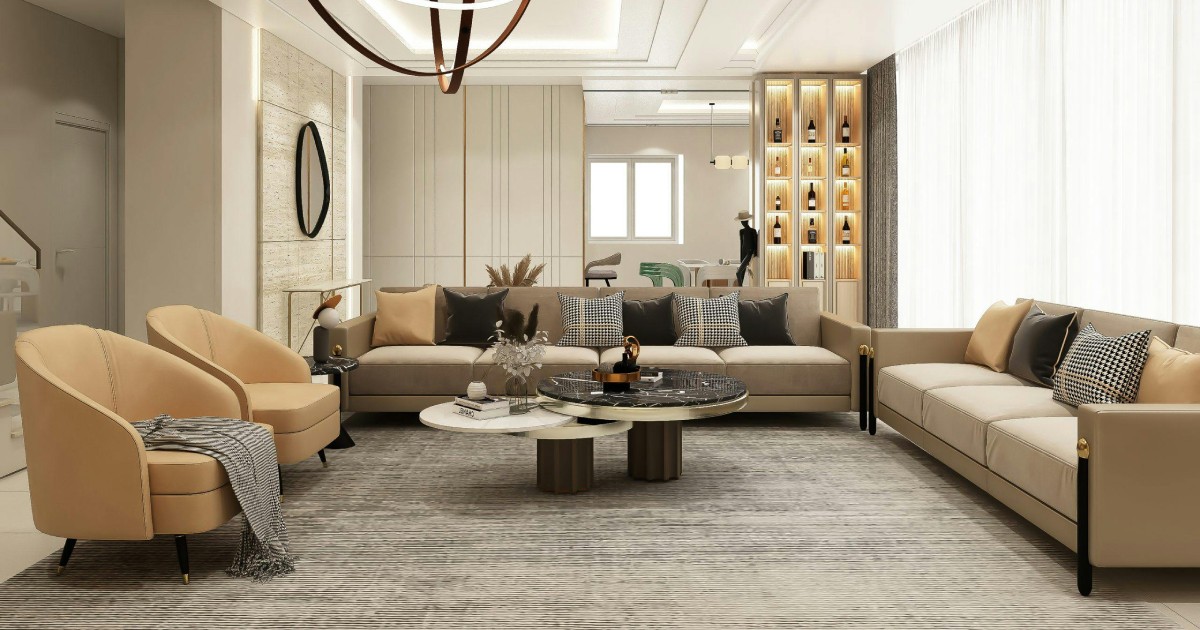

Scandinavian, Japandi, mid-century modern, modern luxe, minimalist, industrial, contemporary.
Add preferences into the mix, choosing a renovation style can start to feel like managing a committee with very strong opinions.
Many homeowners begin with the look they like most, then realise style is only one part of the decision.
Layout, storage, cooking habits, maintenance, family needs, and budget all need to be accounted for as well.
Choosing based on your budget and lifestyle may feel less exciting than getting lost building your Pinterest boards, though it usually leads to a home that works better and lasts longer.
By the end of this guide, you should be able to set a realistic renovation budget, identify what your home really needs, match those needs to renovation styles that make sense, and decide whether a renovation loan should be part of the game plan.
Step 1: Set your renovation budget before your taste gets ambitious
Contractor quotes have a way of humbling even the most committed mood board.
Once you know what you can comfortably afford, you make better decisions about layout, materials, carpentry, and where to save, and where to splurge.
Estimated renovation costs in Singapore range from $34,200 to $52,100 for a three-room BTO, $51,000 to $70,000 for a four-room BTO, and $78,600 to $93,500 for a five-room resale HDB.
Being older, resale homes tend to cost more for the extra work needed like demolition, rewiring, and replacing older fittings.
1. Typical renovation cost ranges in Singapore
Here are some estimated renovation costs for different types of homes in Singapore:
| Home type | Estimated renovation cost |
| Three-room HDB BTO | $34,200 to $52,100 |
| Four-room HDB BTO | $51,000 to $70,000 |
| Five-room HDB resale | $78,600 to $93,500 |
| Three-room HDB resale | $40,000 to $90,000 |
| Four-room HDB resale | $55,000 to $85,000 |
| FIve-room HDB resale | $70,000 to $100,000+ |
A sensible renovation budget always includes a 10 per cent to 20 per cent buffer.
With most renovations, you can expect some plot twists. Extra electrical points, plumbing changes, upgraded finishes, better hardware, and “small” design changes can add up very quickly.
The buffer helps cater for unexpected costs without having to compromise on your renovation midway.
2. Budget reality checklist
- Set a renovation budget you can comfortably afford
- Allocate a 10 per cent to 20 per cent buffer for unexpected costs
- Confirm whether you are renovating a BTO or resale unit
- Identify how much goes to essentials like wiring, plumbing, flooring, and carpentry
- Work out how much is left for aesthetic upgrades
- Ensure your renovation still meets your needs even if the budget is reduced by 10 per cent
3. What your renovation budget should always account for
A renovation budget should cover more than the visible, exciting parts of the home.
Before you think about decorative touches or finishing details, make sure the core items that affect function, durability, and daily liveability are properly accounted for.
| Budget item | Why it matters |
| Electrical and plumbing | Hidden works can raise costs quickly |
| Layout and storage | Good planning improves daily liveability |
| Materials and finishes | Lower-cost options may wear out faster |
| Decorative styling | Best treated as secondary to the core works |
Step 2: Define your lifestyle needs before you fall for a look
Cooking smells in the kitchen, clutter building up on open shelves, laundry waiting in a corner, and the dining table quietly turning into a desk. A home has to handle all of that, not just look good in photos.
The way your home is used day to day also shapes how well certain design choices hold up.
Open shelving may look clean at first, though it requires more upkeep.
Light-coloured fabrics can feel refined, though they tend to show wear more quickly.
Built-in storage, layout flow, and material choices often make a bigger difference to daily comfort than the style itself.
1. Everyday habits that should shape your renovation
| Daily habit or need | What it affects |
| Heavy cooking | Ventilation, kitchen layout,backsplash choice, surface cleanability |
| Large storage needs | Carpentry budget, concealed storage, clutter control |
| Work from home regularly | Desk zones, lighting, acoustics, cable management |
| Young children | Rounded edges, durable finishes, easy-clean surfaces |
| Pets | Flooring, upholstery, scratch resistance, maintenance |
| Frequent hosting | Seating layout, dining flexibility, circulation space |
2. Singapore home conditions to factor into your renovation
| Factor | Why it matters |
| High humidity | Can be tougher on fabrics, wood finishes, adhesives, and poorly ventilated corners |
| Strong sun exposure | Can heat up rooms and wear some finishes faster |
| Compact layouts | Bad space planning shows up very quickly |
| Frequent cooking | Grease, steam, and smell affect materials and maintenance |
| Dust and fingerprints | Glossy dark surfaces reveal everything |
Step 3: Match your budget and lifestyle to renovation styles
Quick comparison table:
| Style | Budget fit | Best for | What to watch out for |
| Scandinavian | Lower to mid | First-time homeowners, practical households, smaller homes | Can look too plain if the materials, lighting, or finishes are too basic |
| Japandi | Mid | Homeowners who like calm, tidy spaces | Only works well when storage is planned properly and clutter is kept under control |
| Mid-century modern | Mid to high | Homeowners who want more character and are willing to invest in furniture | Furniture and statement pieces can increase the budget quickly |
| Modern luxe | High | Homeowners who want a more polished, high-end look | Usually costs more to achieve and takes more effort to maintain |
1. Scandinavian style
Scandinavian style usually feels like the most sensible person in the room. Bright, functional, and easy to live with, it doesn’t rely on flashy details to make an impression.
Part of its appeal comes from how well it suits HDBs and condos. Light wood tones, simple cabinetry, soft neutrals, and clean lines can make compact homes feel more open and less boxed in. When space is limited, that sense of visual lightness can make a real difference.
“Simplicity is the ultimate sophistication.” – Leonardo da Vinci
Why you might like it
| Scandinavian strength | Why it works |
| Light palette | Helps compact homes feel more spacious |
| Clean lines | Keeps the home looking neat and calm |
| Functional planning | Easy to live with day to day |
| Simple detailing | Usually easier on the wallet than more complex styles |
Best for:
- First-time homeowners
- BTO renovations
- Families who want a bright, practical home
- People who want renovation styles that stay budget-friendly
Watch-outs:
A Scandinavian home can look warm and elegant, or a little too much like a showroom with trust issues.
Cheap laminates, flat lighting, and too much white with no texture can make the space feel bland.
Light finishes show scuffs and dirt more easily, so maintenance still matters.
2. Japandi style
Japandi has become a favourite for homeowners who want the home to feel restful, polished, and a little more grown-up.
“Have nothing in your house that you do not know to be useful or believe to be beautiful.” – William Morris
The quote fits naturally here.
The quote fits naturally here. Japandi blends Japanese restraint with Scandinavian softness, which usually means warm neutrals, natural textures, gentle lines, and very little visual noise.
The result can feel calm in a way that many people find deeply appealing after a long day.
Why you might like it
| Japandi strength | Why people like it |
| Warm minimalism | Feels softer than stark minimalism |
| Neutral palette | Works well in smaller homes |
| Quiet detailing | Looks elegant without shouting |
| Storage-driven planning | Helps maintain a calm visual environment |
Best for:
Japandi suits households that prefer a calm, uncluttered home and are willing to invest in enough storage to keep surfaces clear.
In smaller Singapore homes, its restrained palette and cleaner lines can also help the space feel more open and less visually crowded.
Watch-outs:
The style may look simple, though achieving that look often requires better planning, storage, and material quality, which can raise costs.
It is also less forgiving of clutter, and in Singapore’s climate, ventilation and material choice matter more.
3. Mid-century modern style
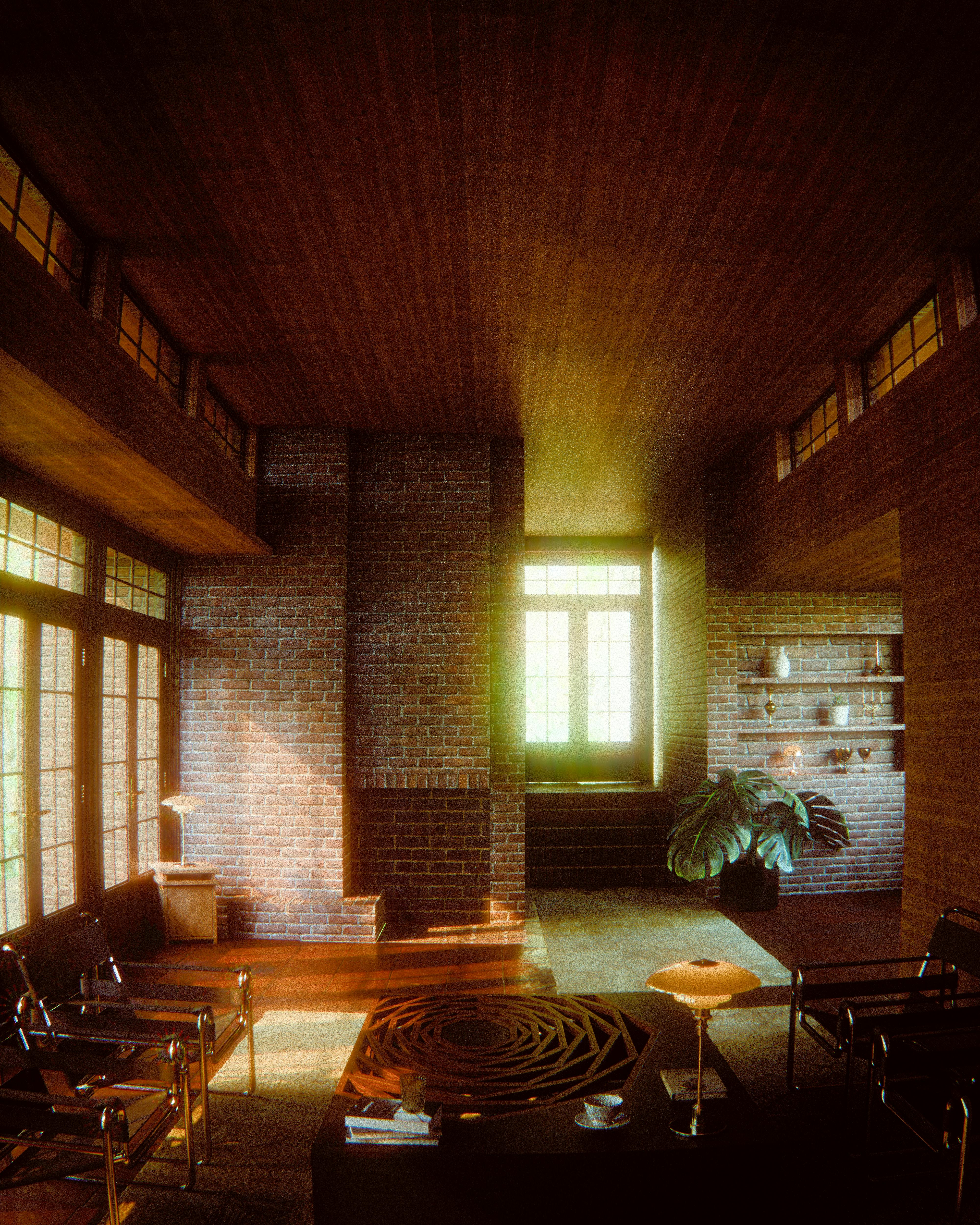
Mid-century modern tends to appeal to homeowners who want a home with more personality and a stronger design identity.
The style usually draws on richer timber tones, more distinctive furniture shapes, warmer colours, and statement lighting to create that effect.
When those elements are chosen well, the space can feel more characterful, curated, and visually memorable, especially compared with styles that take a more understated or conventional approach.
“The details are not the details. They make the design.” – Charles Eames
Why you might like it
| Element | What it brings |
| Richer wood tones | Warmth and depth |
| Stronger furniture identity | More character |
| Statement lighting | A clearer point of view |
| Retro-modern shapes | Visual interest without too much fuss |
Best for:
- Homeowners who enjoy design history
- People who are more particular with furniture selections
- Darker wood tones can also feel heavy in smaller spaces when the balance is off.
Watch-outs:
Poor replicas can cheapen the whole look, and humid conditions make finish quality more important.
A style like this rewards curation. Random buying tends to show immediately.
4. Modern luxe style
Modern luxe tends to appeal to homeowners who want a home that feels more polished, elevated, and visually striking.
Marble-look finishes, metallic accents, richer colour palettes, statement lighting, and customised detailing all contribute to that effect, giving the space a more tailored and high-end feel.
This style can make a home feel elegant, refined, and slightly hotel-like.
It often suits homeowners who enjoy a stronger design and make more of a statement.
“Rawness and refinement are not opposite ends of a luxurious spectrum… they are two complementary features with which to populate a luxe environment.” – Kelly Wearstler
Why you might like it
| Modern luxe strength | Why people like it |
| Premium-looking finishes | Creates a more polished and high-end appearance |
| Statement lighting | Adds drama and makes the space feel more elevated |
| Richer palettes and materials | Gives the home more depth and visual impact |
| Customised detailing | Helps the space feel more tailored and intentional |
Best for:
Modern luxe is usually a better fit for homeowners with a higher renovation budget and a stronger preference for a polished, dressed-up look.
It works well in homes with enough space to carry darker tones, feature lighting, and more layered detailing without feeling crowded.
Watch-outs
Singapore’s humidity, cooking conditions, and sun exposure can also make high-maintenance finishes harder to live with over time.
A style like modern luxe usually works best if you don’t mind the upkeep, rather than expecting the look to stay polished on its own.
You do not need to marry one style
Some of the best homes do not commit fully to one look. They borrow intelligently.
You might use a Scandinavian base for practicality, add Japandi textures for warmth, bring in a few mid-century pieces for character, and finish with slightly more luxe lighting or hardware.
That mix often feels more personal and more realistic than following one style too rigidly.
“Design addresses itself to the need.” – Charles Eames
| If you want… | Start with… | Borrow from… | Specific items to use | Why it works |
| A bright, practical home that still feels warm | Scandinavian | Japandi | Light wood laminates, white or beige cabinetry, open shelving used sparingly, linen curtains, textured rugs, warm beige walls | Keeps the home visually light and functional, while adding warmth so it does not feel too plain or cold |
| A calm home with more personality | Japandi | Mid-century modern | Low-profile sofa, walnut or teak dining table, curved armchair, warm-toned pendant light, simple wood console | Maintains a clean and restful base, while adding a few stronger furniture pieces that give the space more character |
| A practical home with a more polished finish | Scandinavian | Modern luxe | Simple flat-panel cabinets, quartz or sintered stone countertop, black or brushed gold handles, statement pendant light, full-height mirror | Keeps the layout and carpentry practical, while using a few finishing touches to make the home feel more refined |
| A characterful home that still works well daily | Mid-century modern | Scandinavian | Statement dining chairs, warm wood TV console, clean-lined built-ins, concealed storage, neutral walls, practical task lighting | Adds personality through furniture and wood tones, while using simpler planning and storage to keep the home easy to live in |
Can you use a renovation loan for interior works?
In many cases, yes-though usually only for fixed interior works such as flooring, tiling, painting, wiring, plumbing, built-in carpentry, and kitchen or bathroom upgrades.
It generally does not cover loose furniture, standalone appliances, or post-renovation decor. You’re looking at approximately $30,000 or 6 times your monthly income, whichever is lower.
A renovation loan tends to make more sense when it is used for necessary, lasting works rather than nicer finishes you could live without.
If the loan is helping you pay for core upgrades such as flooring, plumbing, wiring, or built-in carpentry, it can be a practical financing tool.
When it is mainly being used to upgrade the look of the home, the trade-off becomes harder to justify.
Final word
A renovation rarely goes exactly to plan, so flexibility matters almost as much as taste.
Material lead times can shift, layouts may need small adjustments on site, and some ideas simply work better in theory than in your actual home.
Here’s a piece of advice: your home does not need to be fully finished in one go.
Essential works can come first, while styling, furniture, and smaller upgrades can be added over time.
Sourcing pieces gradually, from furniture to lighting and storage, often leads to better sound decisions than insisting to assemble everything by renovation.
[[nid:735624]]
This article was first published in MoneySmart.
Read the full article here