


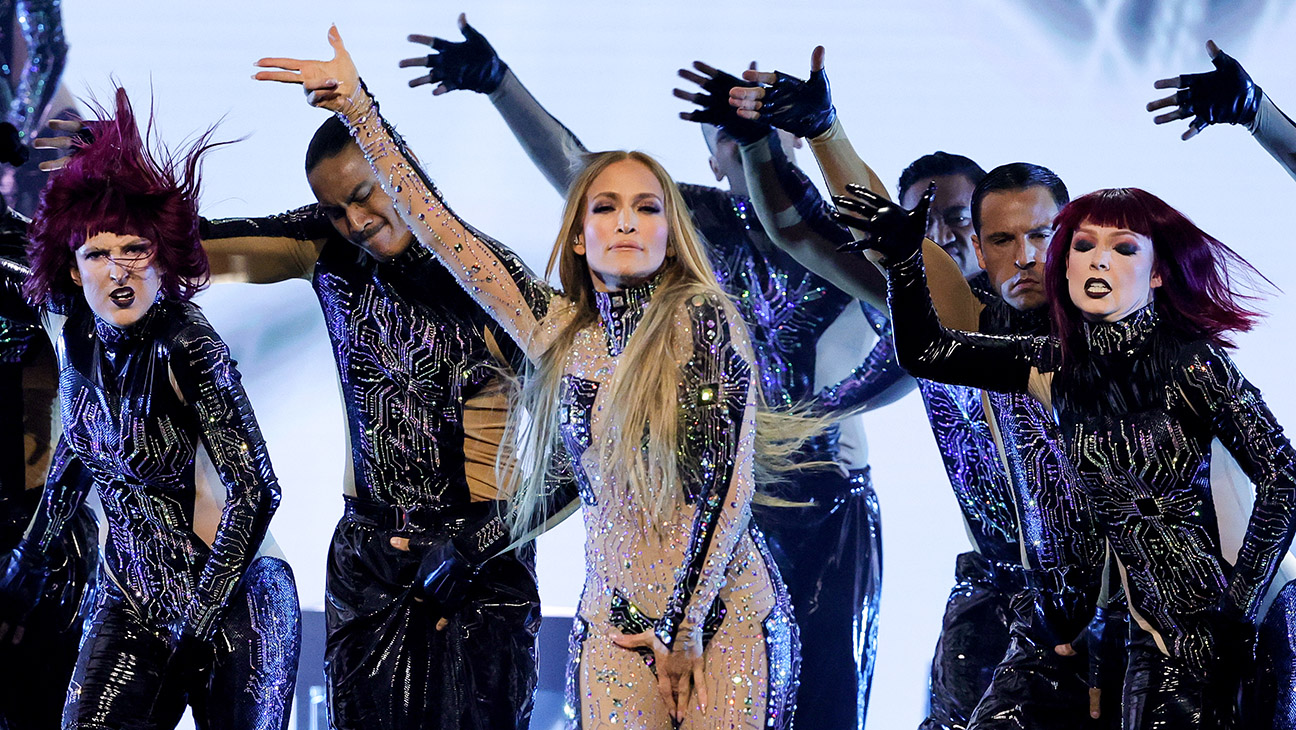

The first time I saw the American Music Awards was in Tehran, Iran, in 1984. The ceremony had been taped off the television broadcast. It made its way to me via a staticky bootleg Betamax brought to our home by a low-profile but friendly gentleman, concealed in an unmarked briefcase.
This was the only method of pop culture consumption post the 1979 Islamic Revolution, which banned music — particularly Western music — in all forms. Besides albums dubbed onto cassette tapes and Top of the Pops episodes recorded off the BBC, there was little music content available, almost all of which came from Europe. To see an actual awards show from the U.S. was a very different experience.
How glamorous everyone looked, how exciting it was to hear them speaking when they accepted their awards, how fun it was to watch the artists interact with each other on stage. It was an exceptional year for music, dominated by Michael Jackson’s Thriller. Best of all for me was a performance by my favorites, Culture Club, beamed in from London. The AMAs sizzled, attracting over 40 million viewers.
The following year, the AMAs were the sourcing ground for talent who participated in the vocal recording for “We Are the World.” Post-ceremony, many of the winners and nominees made their way to A&M Studios (now Chaplin Studios) in Hollywood for the session. Among them was two-time AMA host Lionel Richie — who, in the Netflix documentary about the song, The Greatest Night in Pop, says he chose that date specifically because of the talent he knew would be in Los Angeles. He was joined by fellow awardees Cyndi Lauper, Bruce Springsteen, Hall & Oates, and Huey Lewis. The momentous occasion made that year’s awards historic.
The more recent decades haven’t been so kind. The show faced consistent ratings dips in the 2010s, dropping 42 percent in 2019 versus five years’ prior in 2014. For a while, the Covid pandemic looked like a death knell, as the show went on a multi-year hiatus after 2022, and its absence wasn’t particularly noticeable.
Yet the 50th anniversary special in October 2024 had a 54 percent increase in viewers compared to the 2022 show, while last year’s AMAs jumped nearly 40 percent from the last awards — suggesting that even as audiences veer away from televised bouts of industry congratulation, the AMAs may still have a place at the table as the 2026 edition is slated for May 25.
So who exactly is the show for now?
Historically, the Grammys veered toward the olds and to the industry, giving “music’s biggest night” prestige, but also a decades-long reputation it’s still looking to shake as a stodgy affair that doesn’t properly represent the music shaping culture. (See Beyonce’s Lemonade losing out on album of the year in 2017, or Kendrick Lamar’s infamous Good Kid, M.A.A.D City rap album snub to Macklemore’s The Heist, or the The Weeknd’s years-long boycott of the show after his acclaimed After Hours failed to garner one nomination in 2021.)
The AMAS, in contrast, are determined by fan turnout rather than industry taste.
By comparison, for better and for worse, the whole award show’s core is based around the fan. That takes away some of the status of the show — being recognized by your peers is still a far more distinguished honor than a popularity contest — but it’s the fans who give artists their standing in culture. Yet they’re usually left out of the decision-making when it comes to awarding accolades.
Today, fandom has never been more consequential, as social media has turned stan culture toward the mainstream. Fans casting votes via the AMAs site and its Instagram (window closed May 8) legitimizes the awards, or at least differentiates them from those determined solely by industry insiders deemed qualified to vote, some of which likely don’t have as much familiarity with all the nominations as it is.
The AMAs categories are not tied to a release date. If the artist, song, album, video, or what-have-you had significant commercial performance that year, it is eligible to be nominated. There are the standard categories, of course, but the AMAs also include awards like the newly minted song of the summer, Best Throwback Song, Tour of the Year, and another new category, Breakout Tour. Considering how much of the music industry’s profits are derived from touring versus records, and how invested audiences are in the live experience today, these categories make sense.
Beyond voting, in another more fan-facing move, tickets to attend the AMAs are available to the public, another feature the Grammys are yet to embrace. This year marks the ceremony’s second time in Las Vegas and first at the MGM Grand Garden Arena. Between the crowd of fans and a location outside of the major entertainment hubs, the AMAs are starting to feel more like a party than an award show.
There’s a cross-generational lineup this year the the producers hope can capture audiences of all ages and tastes including Gen-Z favorites Sombr (seven nominations on the night) and first-time nominees Katseye. Twenty One Pilots, Teddy Swims, Maluma, Keith Urban, and Riley Green are also nominated. Also performing are Hootie & the Blowfish (Pop/Rock New Artist winners in 1996) who will be playing selections from their 40-year career. Billy Idol is being honored with a lifetime achievement award and will perform as well.
The evening is shepherded by host Queen Latifah, whom Sombr found in the crowd at the Grammys earlier this year during his performance of “12 to 12,” dancing with her after he ran into the crowd. No stranger to hosting the AMAs, the Grammy and Emmy winner and Oscar nominee was a co-host for the show in 1995 alongside Tom Jones and Lorrie Morgan.
Queen Latifah can bring some of that dancing spirit she showed Sombr to the ceremony, as it seems artists have more fun at the AMAs. Not to take away from the value of the award in any way — it has earned its place since the AMAs’ establishment in 1974 — but it is nice to drop the gravitas and simply enjoy yourself at these things. Fans, both in-person and from afar, like seeing that.
Read the full article here