


After voicing initial skepticism over Netflix’s blockbuster $82.7 billion deal, the grandson of Warner Bros.‘ founder Jack Warner eventually came around to Ted Sarandos’ team as the fight for the historic studio intensified. Then the streaming giant backed out. Despite Warners now favoring David Ellison’s Paramount offer, he believes Netflix would’ve been the better option.
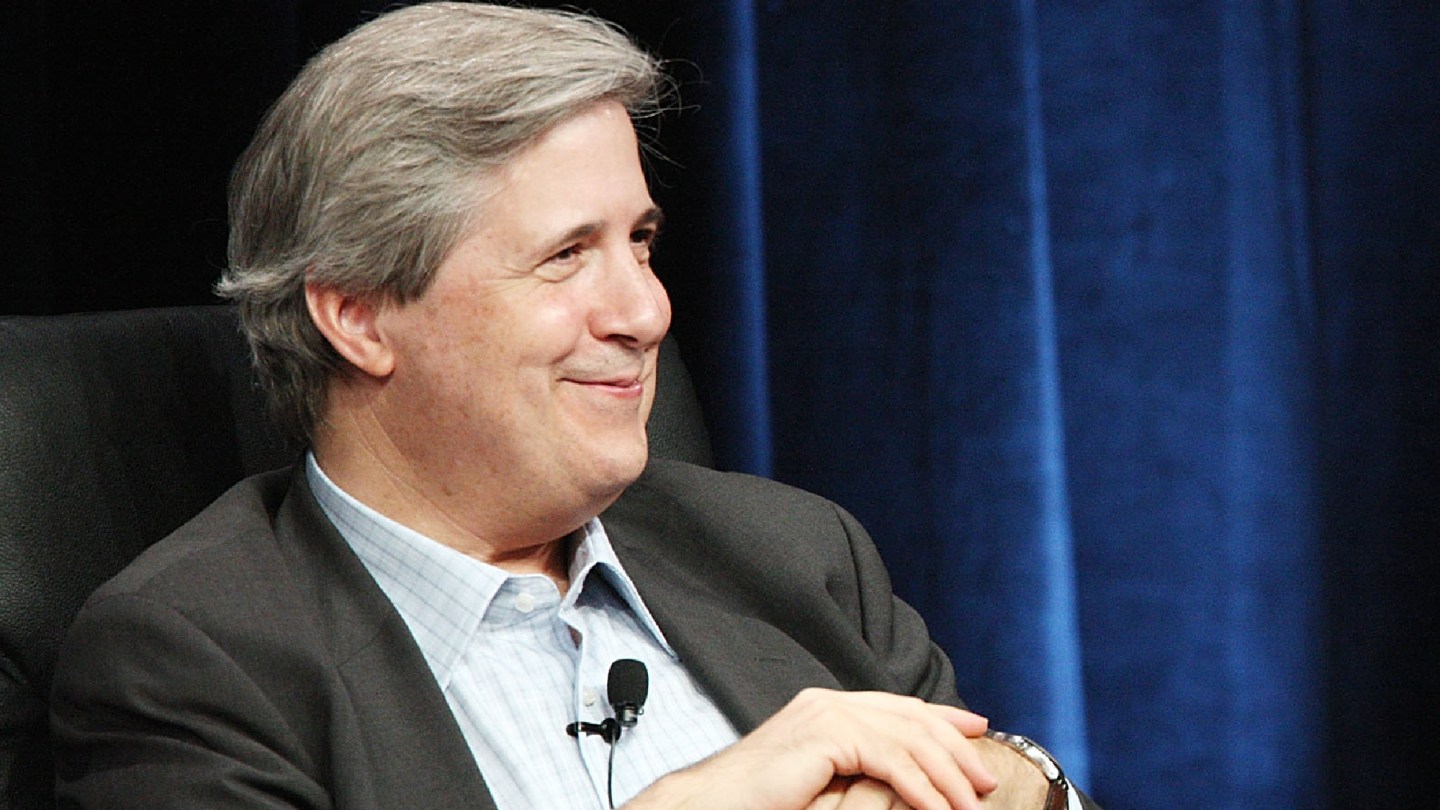
“Netflix offers Warner Bros. the strongest opportunity to thrive as a storied creator and distributor of world-class entertainment,” the Warners heir, filmmaker Gregory Orr, tells The Hollywood Reporter.
“I chuckled at Netflix’s original offer of $27.75/share because it was only 25 cents more than what the brothers were paid in 1956 for their shares.” The deal on the table now is for Paramount Skydance’s $31 a share bid at $111 billion.
“As to Paramount and Ellison, I don’t hear a good argument for why they should buy Warner Bros. Discovery except that they will benefit from it. Paramount offers very little in global streaming or cash reserves or income compared to Netflix,” Orr says.
Another concern is Ellison’s history of layoffs. Orr fears Paramount’s “high debt will lead to downsizing and consolidation at Warner Bros.” Ellison has slashed his workforce as he looks to $3 billion in cost synergies between Top Gun: Maverick producer Skydance Media and Paramount, which owns CBS, Paramount Pictures, Nickelodeon, BET, Comedy Central and more.
“The deal with Netflix was a good marriage,” Orr says, adding that Warner “merging with Paramount Skydance is like a shotgun wedding with your dumb cousin. I fear for the health of the kids.”
“My interest in seeing the company survive and thrive is personal,” notes Orr, noting that his father William T. Orr worked at Warner Bros. as head of TV, his mother Joy Page acted in Warners’ classic Casablanca and grandfather Jack Warner was one of the founding brothers of the studio.
The comments mark a reversal of course for the Warner Bros. founder’s grandson, who was one of the early voices expressing skepticism about a possible Netflix deal in early December. “The potential sale of WBD does not sit well with me,” he told THR at the time, preferring to see the studio stand alone.
Now the contingent of pro-Paramount Hollywood talent is being led by Avatar and Titanic filmmaker James Cameron, who has long had ties to the Ellison crew.
Orr understands the recent history of trepidation regarding Netflix’s (and Sarandos specifically) dismissal of theatrical exhibition. The fear “was valid, but no more,” Orr says. “Repeated public statements by Netflix show that it will support theatrical exhibition signals a flexibility in their business model. It suggests that as long as theatrical exhibition provides meaningful income and publicity for their films, then they will support it.”
Perhaps most important is the political savvy of the studio’s next owner. President Trump has ensured this deal happens or doesn’t happen along political lines. His Republican Attorneys General negatively weighed in against Netflix, continuing the partisan slant coming from the U.S. government. “After watching Ted Sarandos testify before Congress, I’m reminded that the industry is always under attack from culture warriors like Senator Ted Cruz,” adds Orr. While the Ellisons’ have seemingly genuflected to the current administration at every turn, it has paid off.
Throughout its history, Warner Bros. has faced one impossible obstacle after the next. The first decades saw threats and litigation from Thomas Edison’s patent army, dismissal of their dedication to synchronized sound, a Depression-era buyout offer from Paramount, antisemitism from banks, constant wrath from moral crusaders angry at film content, intimidation from the U.S. Senate following the production of anti-Nazi movies, as well as additional threats from the House of Representatives during the Red Scare. The storied Warner studio also had its own hostile takeover when it first left the family.
“Warner Bros. could use a well-funded champion as adept as Sarandos to fend off the thousand cuts that will continue from those who want to control free expression,” argues Orr. Netflix would’ve provided “a wide moat and high walls as the industry is challenged by other platforms like YouTube and the threat from AI.”
The Warner Bros. founder’s grandson is unsure that Ellison has the backbone to defend the industry, though it’s worth noting that Paramount allowed South Park creators Matt Stone and Trey Parker free range to offend the President without interference from corporate suits or political detractors.
Warner Bros. has faced many tech obstacles over the last hundred-plus years. The studio created some of that disruption when they successfully brought sound films to market in the late 1920s. Once actors had their voice projected in theaters, the format added new layers of scrutiny. “My maternal grandfather actor silent film actor Don [Page] Alvarado was put out to pasture partly because of his thin, slightly accented voice,” says Orr. “He later found work as an assistant director.”
The industry evolves and changes, Orr says, but “the bottom line is that filmmakers want to make films, and companies want to monetize them for profit.” Once that’s accepted, “the jury remains the audience–which has been true since the first flickering images on a makeshift screen. If the industry is to survive, Hollywood must adapt to the needs of the audience and not dig in its heels against a changing market and means of production.”
While the first Warner Bros. sale in 1956 was a tale for the ages, Orr feels that “Jack and his brothers wouldn’t be as sentimental about the sale as I am. The brothers built an incredible company, their respected name as its backbone, and ran it with a social conscience while also making damn good money.” Today, Orr’s interest “is in preserving the company — not only for the legendary films and TV shows already produced, but for those yet to come.”
Warner Bros. has survived buyout after buyout, from Kinney to AT&T to Discovery. Now that Paramount has won out, Orr understands that Netflix could simply wait for another studio to become available amidst the current merger mania culture. However, “the uncharted future from technology and global competitors is the real threat to both Warner Bros. and Netflix [and Paramount]. Audiences are already benefiting from a variety of choices, and that’s not going away.”
Read the full article here