




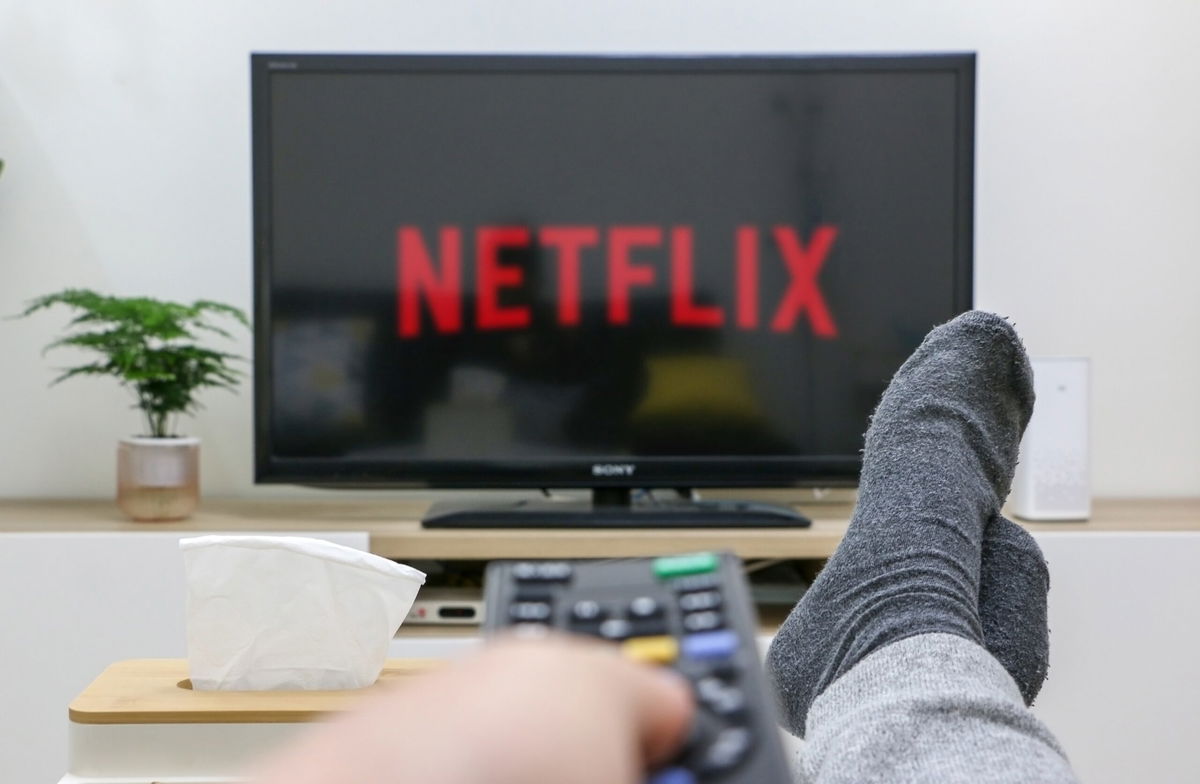

According to multiple reports, Netflix’s decision to drop support stems from technical constraints tied to hardware limitations in older devices. Photo credit: Adam Yee/Shutterstock
Major changes are coming to the way millions of people watch streaming video as Netflix phases out support for older hardware that can no longer run its app. Beginning March this year, the platform will stop working on a range of smart TVs, consoles, and other devices, affecting users who rely on older technology to access the service.
Netflix periodically updates its app to incorporate the latest video codecs, security protocols and performance improvements. These updates require devices to have sufficient processing power, memory and modern software support. When a device cannot meet these minimum requirements, Netflix may discontinue support, which means users can no longer launch or update the app on that hardware.
Why Compatibility Is Ending
According to multiple reports, Netflix’s decision to drop support stems from technical constraints tied to hardware limitations in older devices. Many models lack the system resources needed to handle new features, updated digital rights management (DRM) protocols and enhanced streaming quality standards such as HDR and advanced audio formats.
In Netflix’s own help documentation, if a viewer sees a message like “Netflix is no longer available on this device,” it indicates the device cannot support the latest version of the application due to “technical limitations.” While Netflix does not publish a complete list of affected models globally, it provides general criteria for compatibility that depend on the device’s memory, processor and supported security features.
Devices That Will Lose Support
Several categories of products are confirmed to be affected when support ends in March 2026:
- Smart TVs older than 2015: Many models from manufacturers such as LG, Panasonic and early Samsung smart TVs will no longer be compatible with the Netflix app. These sets often run outdated operating systems and cannot support necessary software updates.
- Sony Bravia televisions: A range of Sony Bravia models, including older series identified by codes like KDL and XBR, will also be among those losing access.
- Gaming consoles: The PlayStation 3, a system that predates many modern streaming devices, will lose access to Netflix on or shortly after March 2. This follows a trend of retiring legacy console support in favour of newer hardware.
- Apple TV older models: The first, second and third generations of Apple TV are no longer supported, as these devices cannot run updated versions of the Netflix app.
Many of the affected devices were originally released more than ten years ago and have not received firmware updates for modern software compatibility. In most cases, manufacturers stopped updating the underlying operating systems long ago, leaving users with no way to install necessary components to satisfy Netflix’s updated requirements.
Beyond TVs and Consoles
In addition to televisions and gaming consoles, some reports indicate that older Android TV devices and other non‑TV streaming hardware manufactured before 2015 may also lose Netflix compatibility. While the specifics vary by model and manufacturer, the overarching issue remains the same: these devices lack the hardware and software needed to run current versions of the Netflix app reliably.
Not all devices affected are strictly television sets. Some older smartphones and tablets that cannot update to recent versions of Android or iOS may also be unable to install or run the Netflix application effectively.
Impact on Users
For affected viewers, the consequences range from simple inconvenience to losing access entirely on their primary viewing screens. Subscribers will still retain their Netflix accounts and content libraries, but they will need to access them through a compatible device.
This could mean purchasing a new smart TV with up‑to‑date streaming support, using a modern gaming console, or connecting an external streaming device such as a Roku, Amazon Fire TV, Chromecast with Google TV or Apple TV 4K. These alternatives are widely available and usually offer broader app support, including other streaming services.
Some users report receiving specific error codes, such as R40, R12, or R25‑1, when attempting to launch Netflix on unsupported hardware, signalling that compatibility has ended on that device.
No Change to Subscriptions or Accounts
Importantly, Netflix’s change affects device compatibility only and does not alter account subscriptions or billing. Users will not lose their memberships, profiles or saved content if their hardware becomes unsupported. The service will simply not launch on older hardware that fails to meet the company’s defined technical thresholds.
Looking Ahead
This move reflects a broader trend in the streaming industry: as technology advances, platforms must balance innovation and performance with backward compatibility. Video streaming today demands greater bandwidth, more robust security standards and enhanced playback features to meet user expectations for quality and reliability.
While some long‑serving devices will be left behind, the shift also encourages adoption of modern hardware that can support future updates and multimedia features. For many users, upgrading or adding an external streaming stick will be the simplest path to uninterrupted access to Netflix and other streaming services.
Read the full article here