



This year’s awards race has seen an unprecedented surge for European talent with several films from continental auteurs — including Joachim Trier’s Sentimental Value, Oliver Laxe’s Sirat, and Jafar Panahi’s It Was Just an Accident (a French-Iranian production from the Iranian director) — heading into the final lap as Oscar favorites. No longer relegated to the sidelines of the international circuit, European cinema is front and center in the conversation, regularly appearing on both Golden Globe and Academy Award shortlists.
This year, the European Film Academy has decided to lean into this momentum with a bold strategic pivot. By shifting their premium honors, the European Film Awards (EFAs) from December to January (the 38th European Film Awards are in Berlin on Saturday), they are slotting European films directly within the global awards window, hoping to capitalize on the promotional machinery that traditionally favors Hollywood.
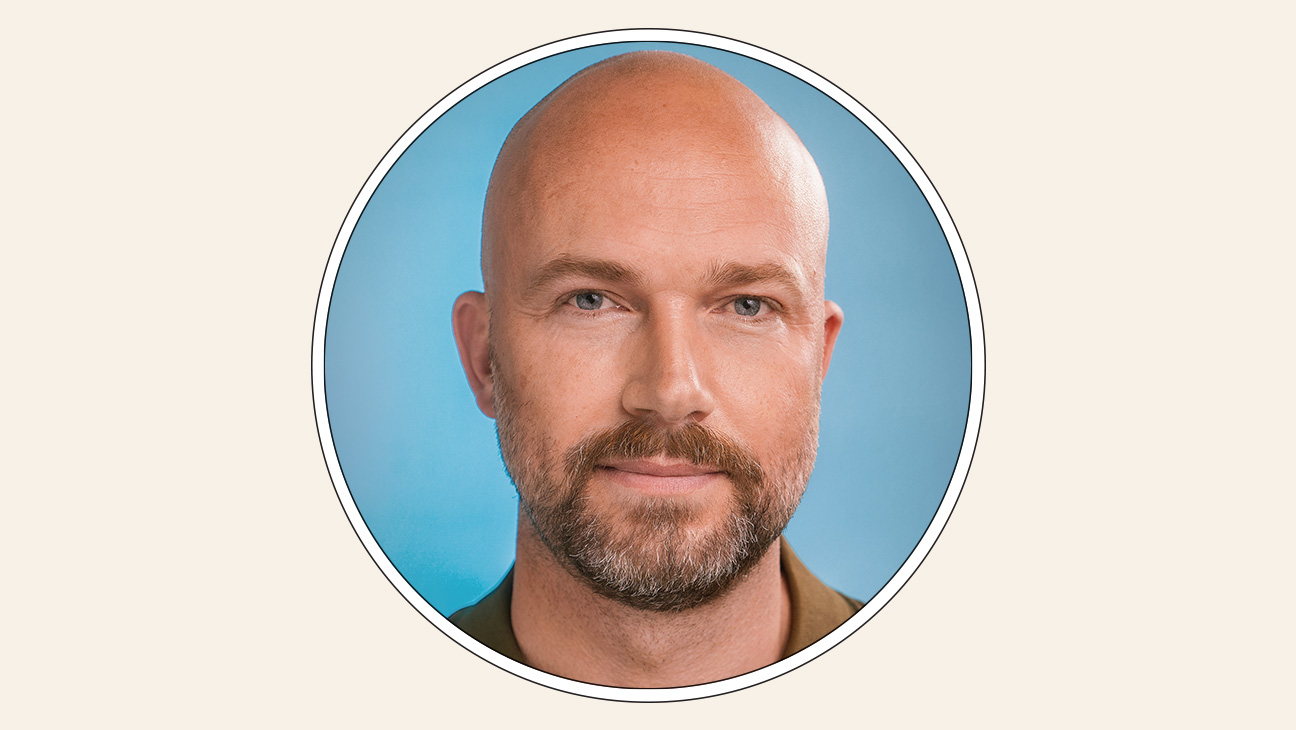
Knol spoke to THR about the strategic calendar shift, his hopes for a European star system, and why (unlike, say, the Golden Globes) there will be plenty of politics on stage at this year’s EFAs.
What have been the surprises for you this past year in European cinema?
I’m not sure it was a real surprise, but it was very satisfying to see the continuation of very strong, very different European cinema from all parts of Europe, including newcomers. These films tell stories that are very relevant in very unusual ways, where I felt, “Wow, I didn’t know you could make a film about that.” Look at Sirat, or look at Sound of Falling, which is about intergenerational trauma. It strengthened my conviction that European cinema is still very much relevant and very alive and kicking.
You moved the awards now to try to put it in the center of the awards conversation. Did that surprise you that these auteur-driven films out of Europe are suddenly front and center when it comes to talks?
No, because that’s what I’ve seen in the last five to six years. There’s always been two, three, even four films that were very strong in the international award season. That was one of the reasons why we moved right in the middle of where the attention goes to create a real interest from audiences and Academy members. The talent is there—not just the directors and the acting talent, but also the cinematographers, editors, everybody else crucial to making that strong cinema. There’s an abundance of these people in Europe. There’s a richness that we have in Europe that we should not only be more proud of, but also use much more to our own advantage when it comes to visibility and last but not least, creating a stronger interest with audiences.
How are you trying to bridge the gap between these films being huge in our world, in the world of arthouse cinema, but the people on the street not knowing the names?
Historically, there has been that gap. The change of the date makes it easier for us to use the channels through which promotion is made to our own advantage. We transformed the “Month of European Film” into the “European Award Season,” which is over two months. We did a pilot this year with the Yorck cinemas in Berlin to screen the nominated films for audiences. The cinemas were sold out, and I feel this is a concept we could translate to other cities as well. We even had programs in Hanoi, Ho Chi Minh City, Hong Kong, and Santiago de Chile because there’s a lot of audiences outside of Europe that love European cinema.
Are you looking to make it a broader appeal to general audiences as well as Academy members?
Yes. The screening specifically for members of the European Film Academy we already offer, and many of them overlap with AMPAS. But we also have a public task to reach film-loving audiences. We started this year with specific screenings of nominated films where everybody could come. The main part of audiences were really Berliners who love European cinema and wanted to attend a special screening.
Is the competition for attention a challenge? It’s hard to get talent when they are all traveling and doing their promotion for films.
That is a real challenge for Europe. You can’t ask an actress who’s on the rise to introduce her film in a program of 50 cities in three weeks. We have to come up with clever ideas and rethink the European celebrity system when it comes to arthouse films. We need to see how we can join forces with other partners to make film more attractive.
How can you work to create more of a European star system, as opposed to just a local, regional one?
The industry should sit together and say, “How can we solve it?” The star system doesn’t work the same way anymore as it did 25 years ago. One thing the Academy can do is develop the European Film Awards into a true gathering of everybody who’s been the face of European cinema of the past year. We have almost 75 shortlisted titles, and many of them are not being nominated, but there are amazing acting performances. Why not bring these people much more to the ceremony and use this moment to really build their careers?
How political do you expect the ceremony to be this year?
The European Film Academy brings together a continent that has faced a lot in the last couple of years. It’s a natural given fact that people on the stage, seeing Europe in front of the,m start talking about their worries, hopes, and fears. We’ve never told winners or presenters to stay away from topics. The Academy has a history of standing up and speaking up for freedom of speech, human values, and the power that cinema has to make people aware of things.
Do you see a political threat to the institutions that support European cinema with the rise of the far right?
We shouldn’t take support for culture for granted. I think that’s an awareness that has dawned on many people in the industry. The necessity is to really make sure that the connections and support of each other stay close, so there is no isolation of individual players in the industry. Whatever will come in the next couple of years, we’ll be just better prepared for it.
This interview was edited for length and comprehension.
Read the full article here