





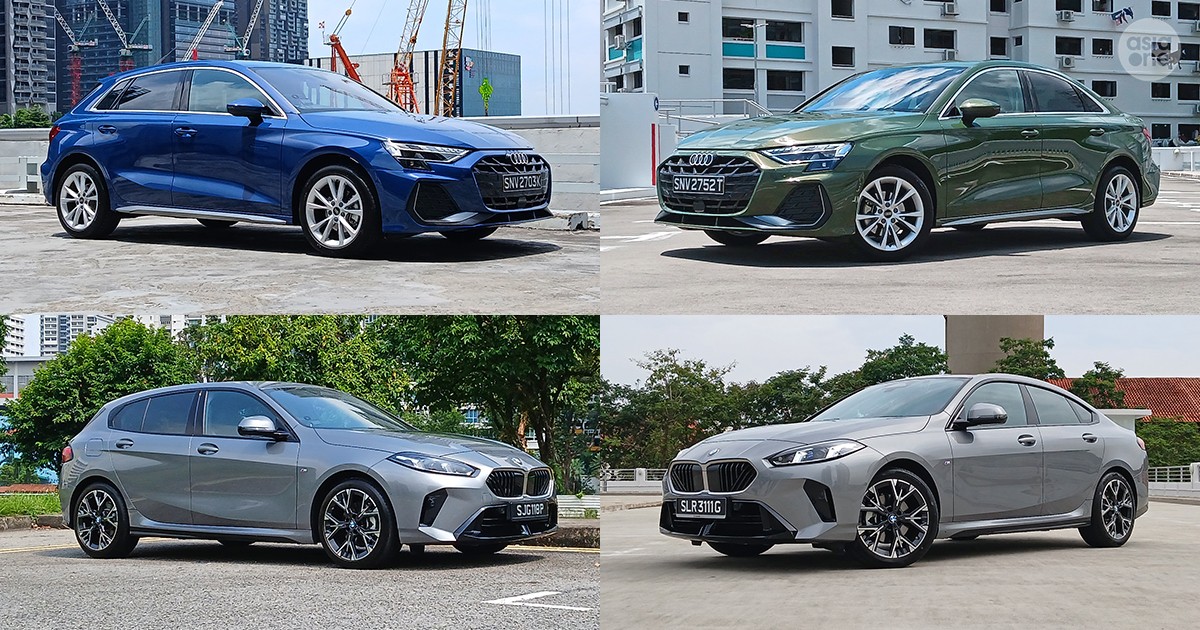


Singapore’s complicated Certificate of Entitlement (COE) system classifies passenger cars based on their engine capacity and horsepower output.
For internal combustion engine (ICE) cars, the criteria to qualify for Category A requires a model to have an engine with a maximum of 1.6-litres in capacity and a maximum output of 130hp. Anything above that threshold will be grouped under Category B.
The reason for the restriction is ostensibly because Cat A is supposedly meant to be reserved for mainstream cars, and most of them tend to fall under those limits.
But because Cat A cars appeal to a wider audience due to their lower COE premiums, even luxury car manufacturers have been offering models that are eligible for Cat A COEs, in a bid to attract even more customers to the brand.
There aren’t that many luxury-branded Cat A cars on the market currently, and most of them are from brands like Audi and BMW. They generally tend to be small hatchbacks, sedans and SUVs, cars that suit aspirational young drivers who want a taste of luxury motoring at a reasonable entry-level price.
Audi A3 Sportback
What is it? Audi’s A3 Sportback gets a major update with a new 1.5-litre engine and an extensive refresh inside and out.
Why is it worth considering? Audi were one of the first luxury brands to offer a downsized engine for their entry-level models to appeal to Cat A buyers, and for a period of time, the A3 was one of the best-selling cars from the Big 3 German luxury brands.
A major factor for the A3’s success was probably down to its 1.0-litre engine, which helped many buyers save costs in terms of fuel economy and taxation.
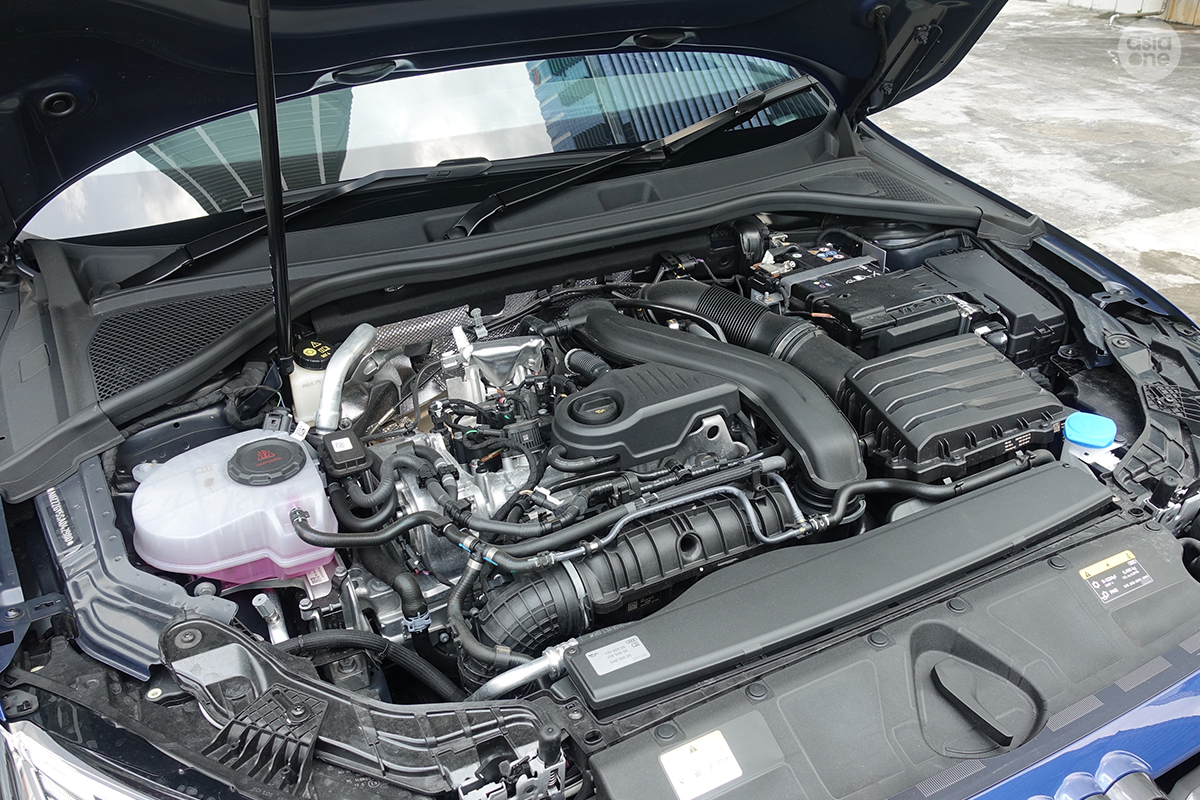
However, that 1.0-litre powerplant is no longer available, and the latest A3 now features a 1.5-litre engine instead, which is also eligible for a Cat A COE.
Audi A3 Sportback 1.5
- Power: 116hp
- Torque: 220Nm
Despite its modest power output, the A3 Sportback feels eager under acceleration. It’s not fast of course, but it copes well in urban conditions, zipping through traffic effortlessly thanks to its relatively light weight and compact dimensions.
For a small car, the A3 Sportback handles corners with remarkable composure. It’s not dramatic or exciting, but it offers great stability with its neutral and precise steering that inspires confidence when you’re going round bends.

Aside from the new engine, the facelifted A3 also gets an extensive redesign. The most obvious visual change is the new front grille, bumper and headlights, which gives the car a sportier and more aggressive look.
At the back, the changes are more subtle, with the A3 getting a redesigned bumper and new taillights.
The interior too remains mostly unchanged, with the only visible difference being the smaller gear selector switch. Just as well, because the layout is fairly straightforward and easy to use, with physical buttons for major controls falling easily to hand.
Space is otherwise decent, with two adults being able to fit comfortably at the back, though three might be a tight squeeze. The Sportback’s boot space of 380 litres is not the biggest around, but it’s good enough for a hatchback in its segment.
At $246,999 with COE (as of December 2025), the A3 Sportback’s price is perhaps slightly on the higher end for a Cat A car. But given the brand cachet you’ll get, it might be worth paying the premium for the experience.
Audi A3 Sedan
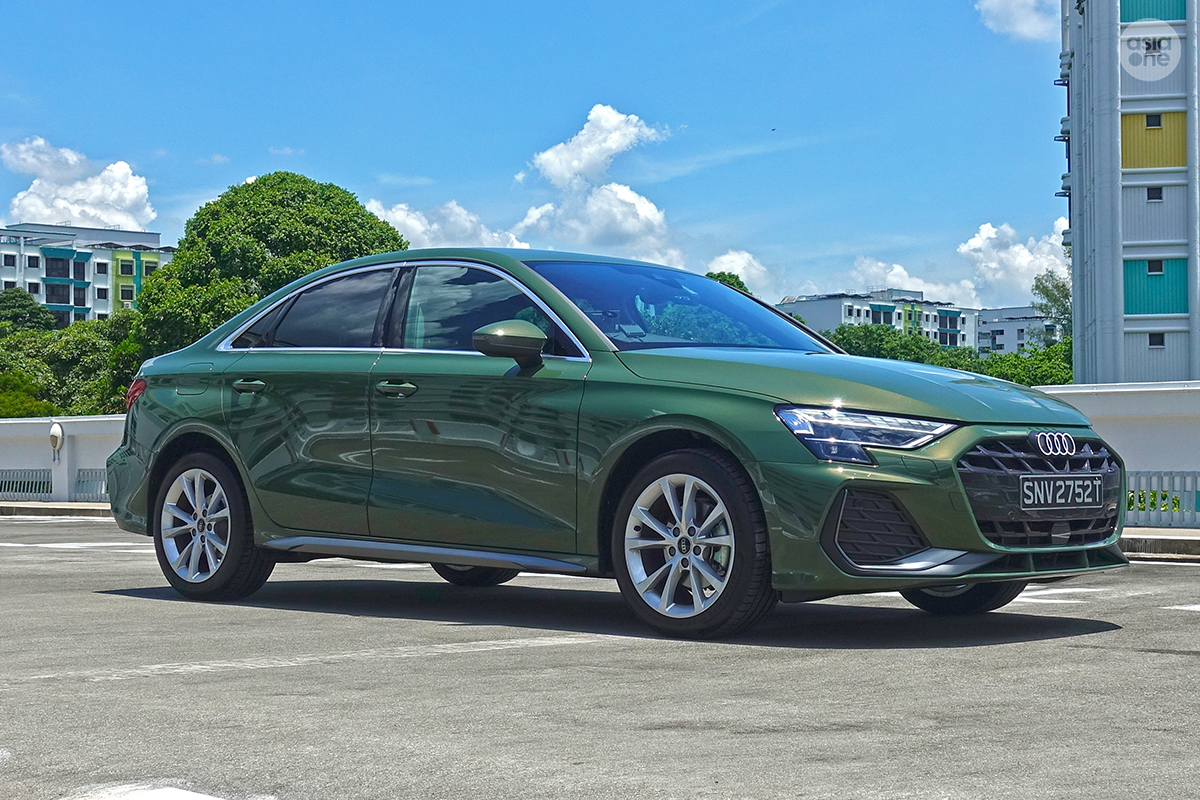
What is it? Same as the A3 Sportback but in a sedan body style for those who prefer the three-box look.
Why is it worth considering? Between the Sportback and the Sedan, most Singaporeans would probably prefer the latter, in part because a sedan is seen as a ‘classic’ shape that represents a more traditional car.
You could essentially copy and paste the description of the A3 Sportback above for the A3 Sedan, because they are pretty much substantially similar in many areas.
Audi A3 Sedan 1.5
- Power: 116hp
- Torque: 220Nm
The driving experience is the same, with the 1.5-litre engine offering zippy performance that makes it pleasant to drive in urban traffic.
The sedan is obviously longer than the Sportback due to the boot, with about 150mm worth of extra length, but it doesn’t seem to affect the car’s drivability at all. It is still impressively composed in the corners, with the kind of stability that makes it pleasant to pilot.
It also gets the same cosmetic upgrades as the Sportback, with the new grille and headlights, and refreshed taillights and bumpers all present here as well.
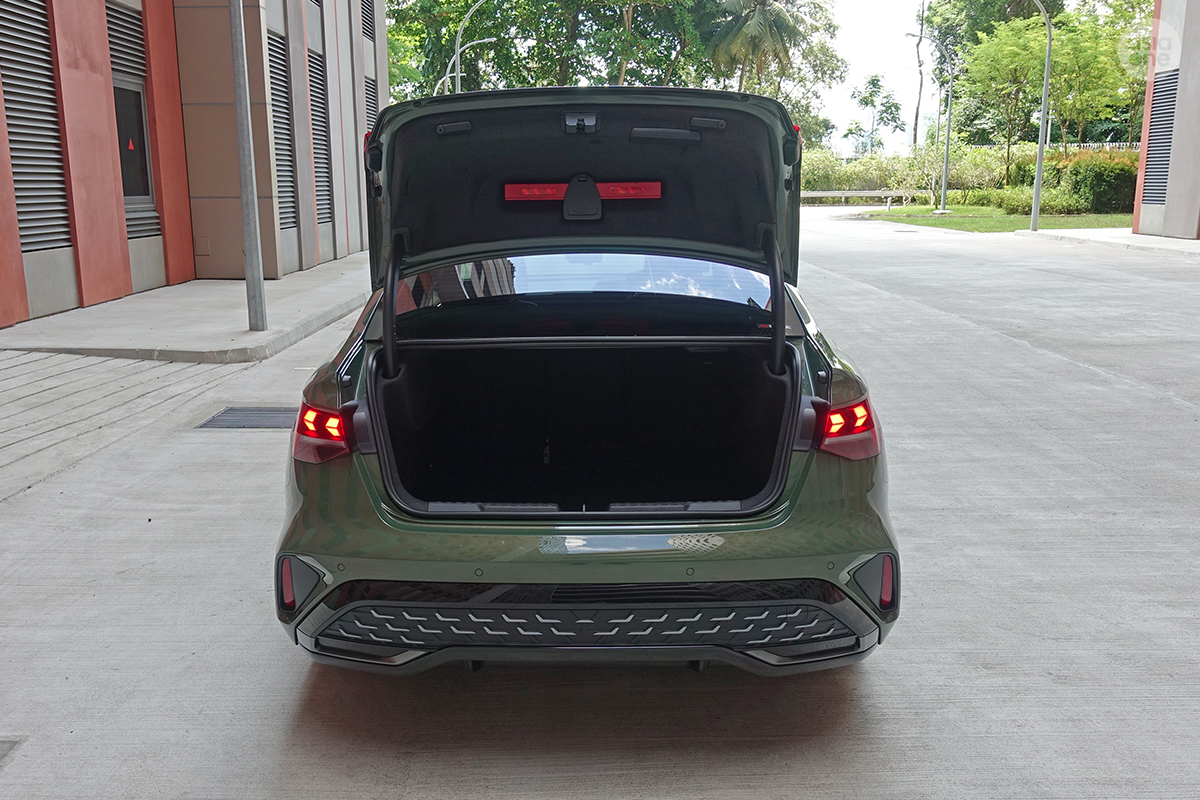
Even with the extended length, boot space remains the same at 380 litres. The only difference with the sedan body style over the Sportback is that the compartment is now separate from the cabin, which is what some might prefer when they consider a sedan.
The A3 Sedan costs just $1,000 more over the Sportback, at $247,999 with COE (as of December 2025). Given that the overall experience between the two are nearly indistinguishable, it basically boils down to what sort of body style you prefer.
BMW 116
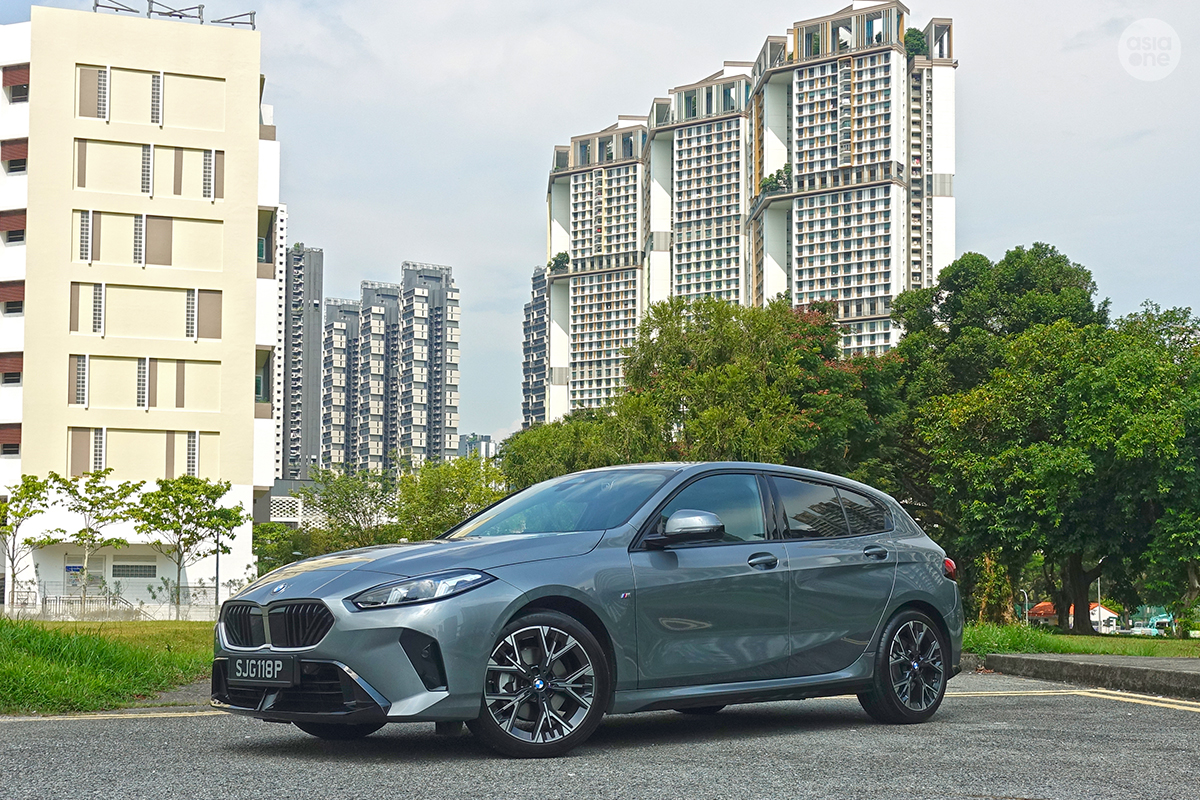
What is it? BMW’s entry-level 1 Series gets an extensive mid-life update, with sharper looks and slightly more power.
Why is it worth considering? The 1 Series is BMW’s smallest car available for sale in Singapore, and it’s not surprising that the brand is offering a Cat A-eligible version to attract more buyers to the brand.
The latest iteration of the Cat A-eligible 1 Series is the 116, which receives some fairly substantial changes, including a slight boost in power from its 1.5-litre engine.
BMW 116 M Sport
Power: 122hp
Torque: 230Nm
Compared with the previous version, the new 116’s output has been increased by 14hp and 40Nm, although it still manages to slot under the Cat A threshold.
It’s peppy enough to make light work of acceleration runs, although it won’t exactly set any speed records. Instead, the 116 mostly shines in the corners, with BMW having made substantial improvements to the chassis tuning and suspension setup.
The result is a car that’s pleasing to drive, with its accurate steering and well-balanced chassis giving the 116 a sense of composure and confidence befitting of a much larger car.
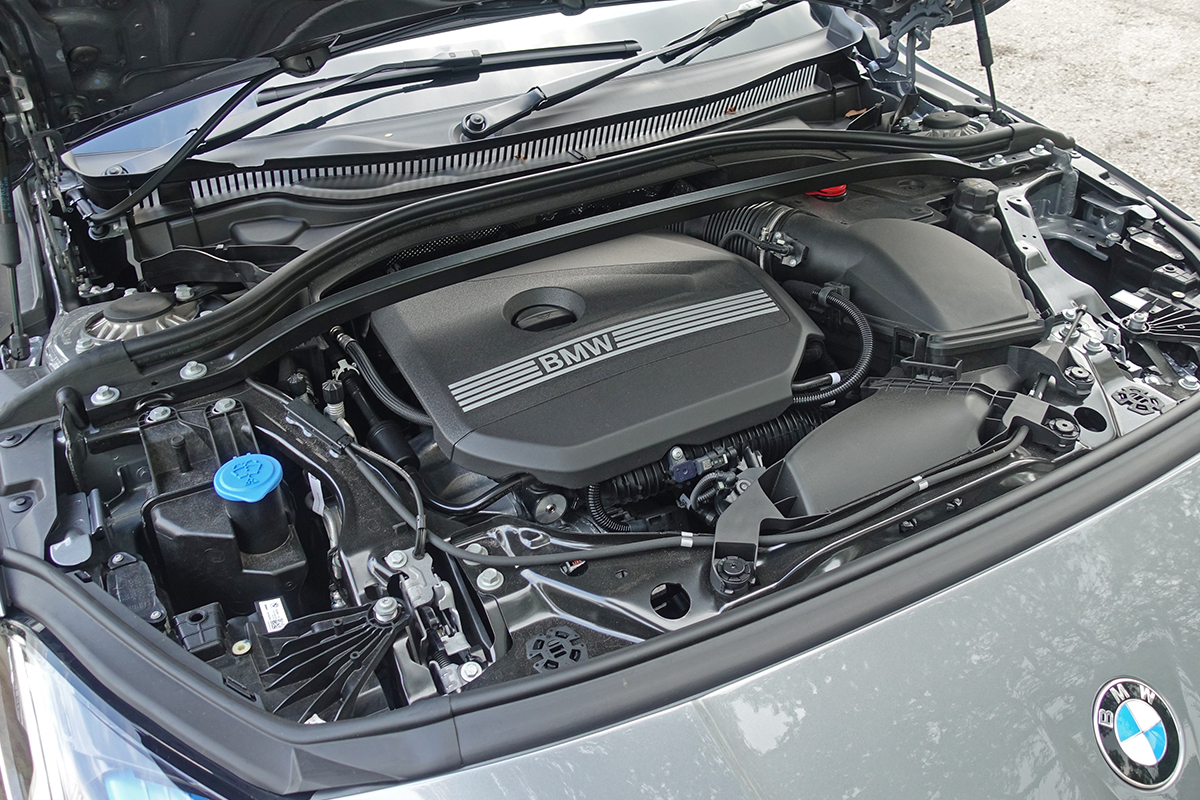
In certain aspects, the 116 is indeed a larger car. The latest version is some 42mm longer and 25mm taller than the outgoing model, although wheelbase remains the same at 2,670mm.
That means that interior room is still fairly tight for rear passengers, with enough space to fit two adults, but not quite for three. Boot space is also unchanged at 380 litres, which is exactly the same as its main rival, the Audi A3 Sportback.
At least the car does look sharp, with the updated 116 now featuring a substantial redesign, with its bigger grilles, smaller headlights, and refreshed bumpers and taillights.
The cabin adopts a minimalist vibe, with the now-familiar BMW Curved Display dominating the dashboard, and the air con vents reduced to singular slats. Not the finest of design choices, because it does seem to make adjusting the air vents slightly fiddly.
Still, those are just small quibbles for what is otherwise a fine package. The 116’s price tag of $224,888 with COE (as of December2025) is slightly higher than its main rival from Audi. In return though, you do get quite a complete package, and there’s little else you can ask for from a luxury-branded Cat A car.
BMW 216 Gran Coupe
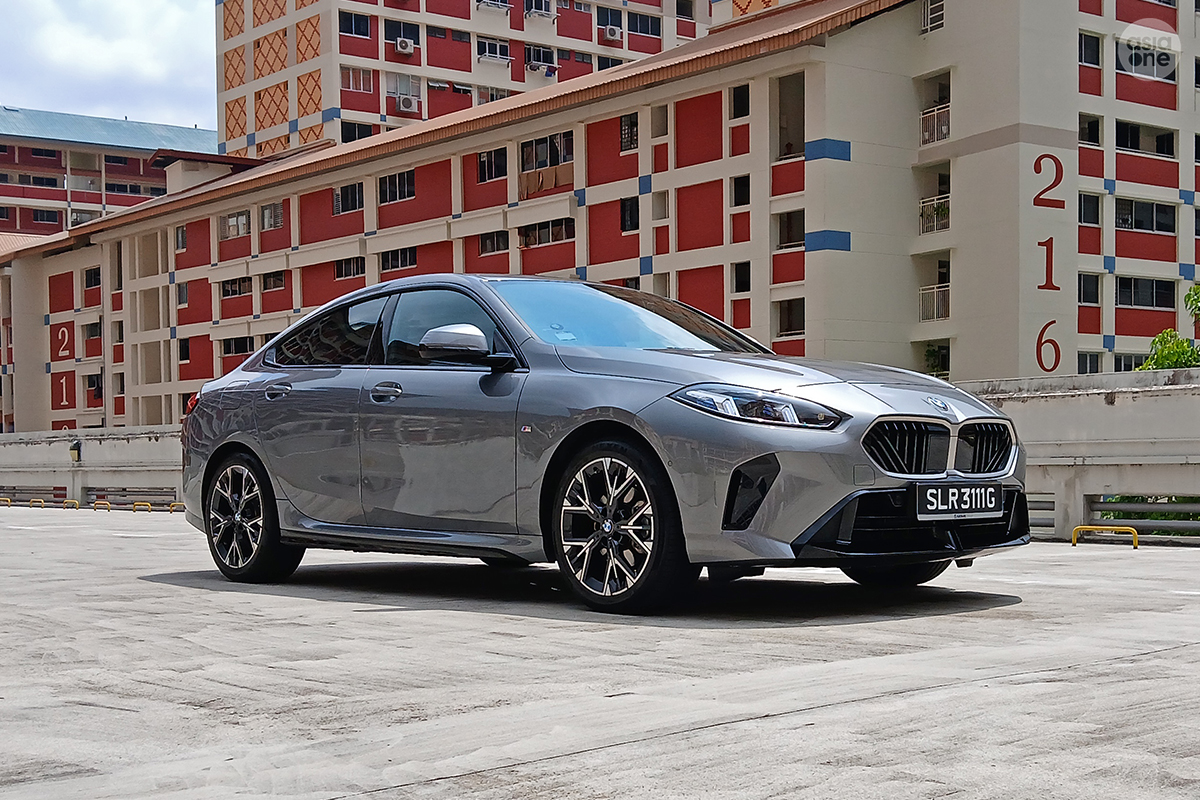
What is it? The 216 Gran Coupe shares the same underpinnings as the 116, but clothed in a sleeker sedan body style.
Why is it worth considering? Instead of calling it a sedan, BMW opts to call the three-box version of its small car the Gran Coupe.
The debate about whether a four-door car can be called a coupe will rage on forever, but what you need to know is that the 216 Gran Coupe is essentially a 116 with sleeker clothes.
BMW 216 Gran Coupe M Sport
- Power: 122hp
- Torque: 230Nm
Given the same underpinnings, it’s no surprise that the 216 Gran Coupe drives pretty much like the 116. Performance is equally sprightly, and the car handles with the same sort of verve and stability that appears to be unaffected by the longer body.
It also shares the same sharp front-end design as the 116, although in other areas the 216 Gran Coupe stands out with cool design details like the frameless doors and the sloping roofline.
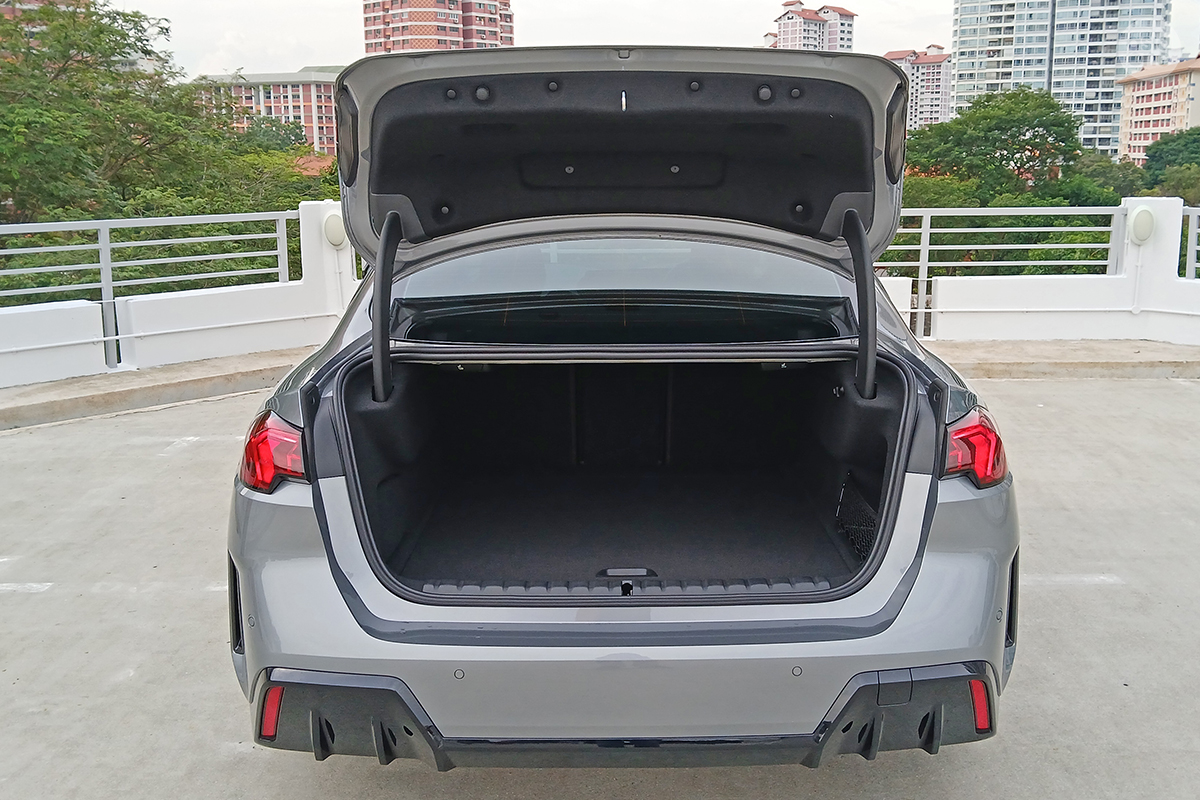
The upshot of that though is that headroom for rear passengers can be a bit tight, but that’s just the trade-off you’ll get for style. Boot space however is a decent 430 litres, which is just about above average in this segment.
At $233,888 with COE (as of December 2025), the 216 Gran Coupe costs quite a fair bit more than the 116. Whether the extra is worth forking out for really depends on whether you prioritise pragmatism or style. If it’s the latter, then the 216 Gran Coupe definitely delivers in spades.
Lexus LBX
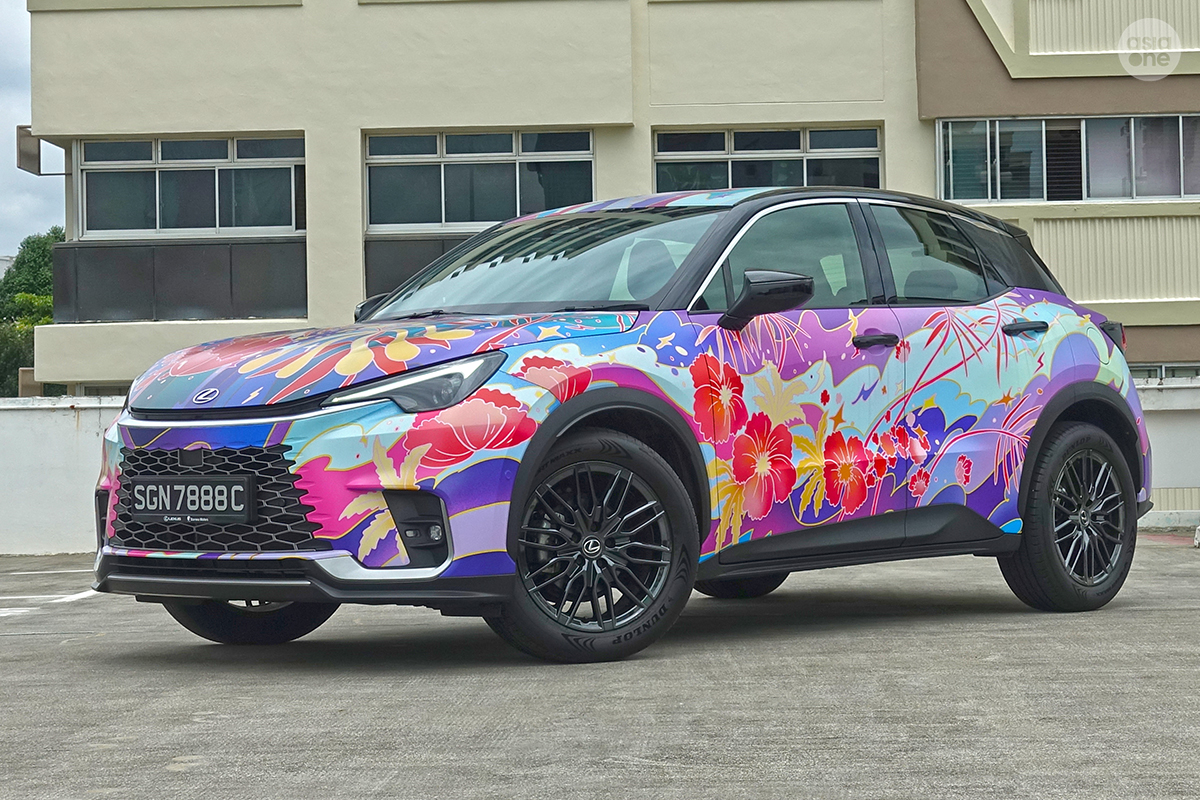
What is it? Lexus’s first ever Cat A car is a frugal hybrid crossover with a premium interior.
Why is it worth considering? Lexus has finally jumped onto the Cat A bandwagon, and it has done so by leveraging on its parent Toyota’s vast resources to help it come up with a small car that can compete with the best.
While the LBX is essentially a Toyota Yaris Cross underneath, Lexus has done far more than simply give the small Toyota crossover a new body.
Lexus LBX
- Power: 129hp
- Torque: 185Nm
The styling is certainly distinctive, with soft curves and gentle lines making it look classy and unaggressive. Our test car was wrapped in an eye-catching flowery wrap, supposedly to promote some sort of event that we do not recall now.
Step inside and you’ll find few signs of the LBX’s Toyota roots. There’s plenty of upmarket materials like suede, leather and brushed metal, which would not look out of place in more expensive Lexus models.
The 9.8-inch infotainment screen is not the biggest around, but its placement in the centre of the dashboard at an angle feels much more user-friendly than most.
However, there are still limitations to basing the car off a small crossover, and one of the LBX’s drawbacks is its relatively lack of room for rear passengers. Most adults can just about fit there just fine for short journeys, but longer-legged people might find it a tad uncomfortable.
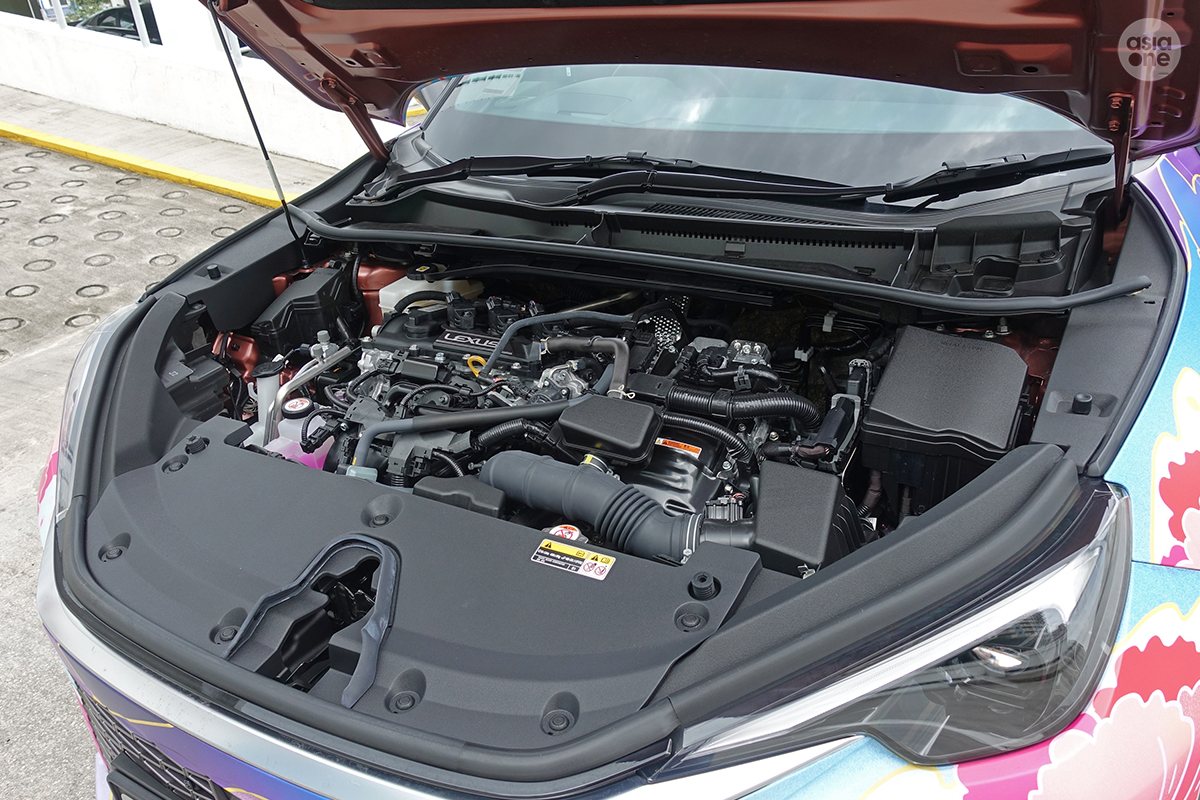
The drivetrain is shared with the Yaris Cross too, and the 1.5-litre hybrid majors in refinement. Lexus has made great effort to reduce noise and vibrations, and tuned the ride quality to make the LBX one of the most comfortable small crossovers out there today.
While the LBX is certainly not fast, it is absolutely frugal. Lexus claims an official fuel consumption figure of 3.8 litres per 100km, but most drivers can easily achieve something in the 4 range without too much effort.
At $254,800 with COE (as of October 2025), the LBX is certainly not cheap. But if you’ve always wanted the Lexus experience in a Cat A car, the LBX is a car that most definitely lives up to its brand name.
[[nid:723618]]
ben.chia@asiaone.com
No part of this article can be reproduced without permission from AsiaOne.
Read the full article here