




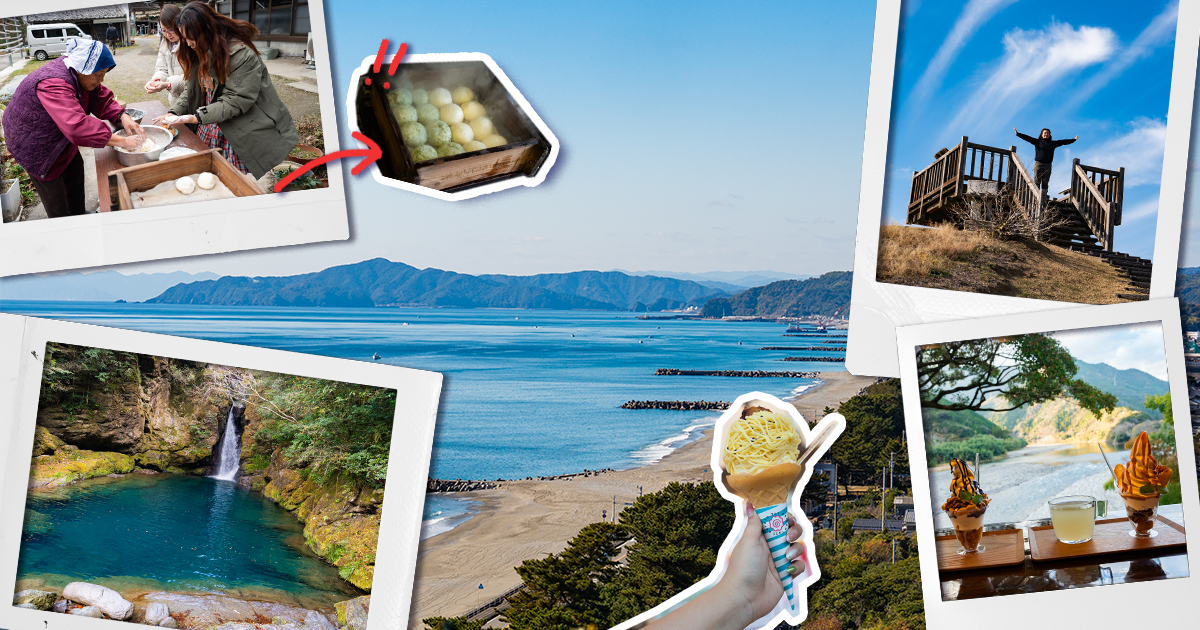


Ask any Singaporean about their favourite travel destinations and chances are that Japan would rank high on that list.
However, to explore scenic adventures, food spots and cultural experiences beyond the popular landmarks as seen on viral reels and social media posts, we decided to heed a local’s recommendations.
That’s when we learnt about the lesser-known island of Shikoku, which comprises four prefectures: Tokushima, Kagawa, Kochi and Ehime. Located just about 1.5 hours away from Tokyo’s Haneda Airport via a domestic flight, this tranquil destination is what some locals are calling ‘Japan’s best kept secret’.
Here are insider tips on when to go, what to look out for, and how to make the most of your experience.
Shikoku: Experience Japanese landscapes, food and culture authentically
Shikoku, despite its current underrated status as a tourism destination, has no shortage of charm. From natural beauty, regional specialties and stories that will touch your heart, there is no doubt that it is a must-visit for those looking to explore more of Japan.
To illuminate our experience on the trip, we were accompanied by a local guide, Miko, who has lived in Shikoku for most of her life.
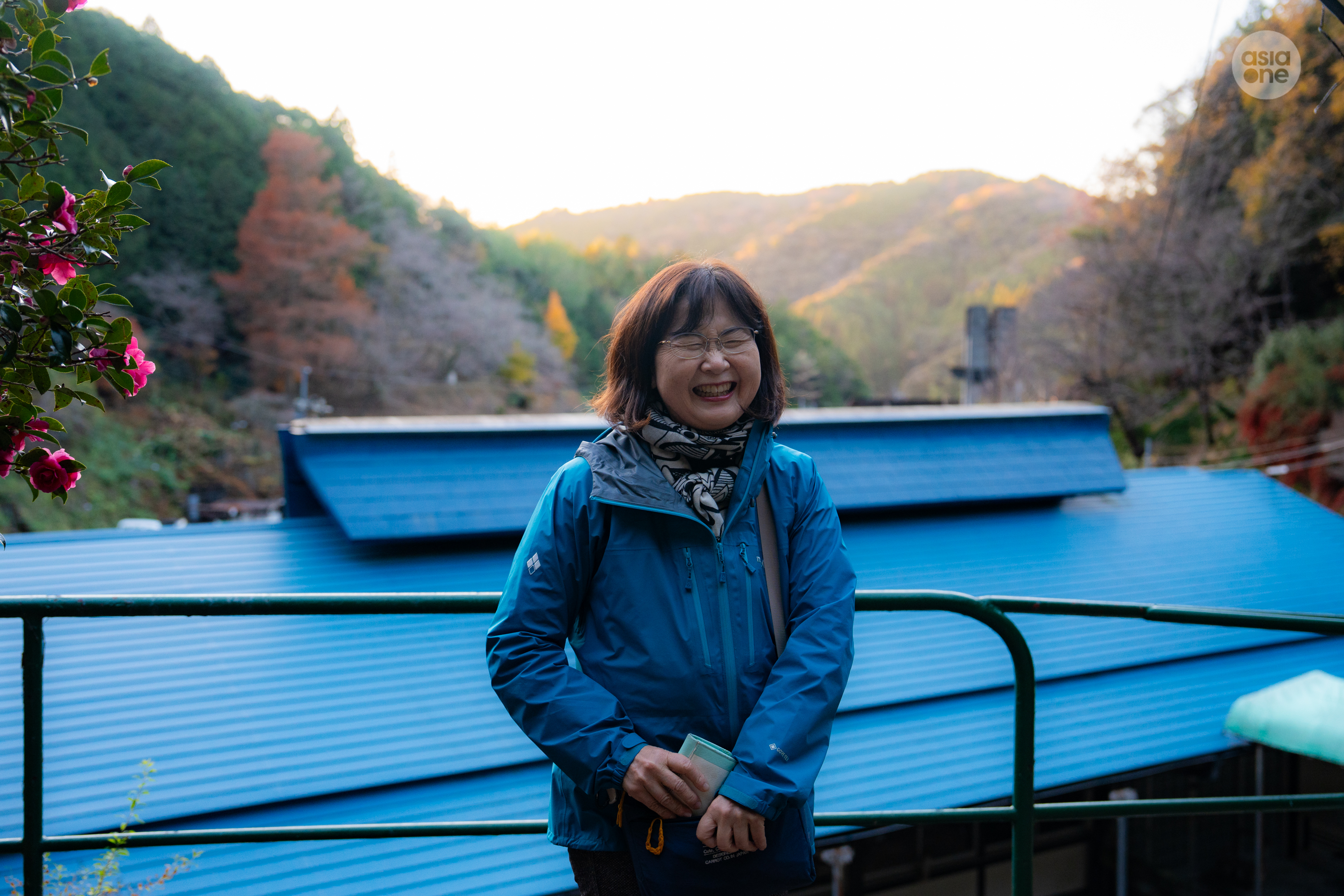

“Even though I have conducted tours in other parts of Japan like Tokyo, Osaka or Hiroshima, I feel most at peace when surrounded by the nature when at home in Shikoku,” she remarked, passionate and eager to show us around her hometown.
Shikoku translates to ‘four provinces’. The island hence comprises four distinct prefectures – Tokushima, Kagawa, Kochi and Ehime – each marked with distinctive offerings of food, culture and history. Our itinerary and guide will cover the eastern and southern parts of Shikoku, namely:
- Tokushima Prefecture (eastern Shikoku)
- Awashima island in Kagawa Prefecture (northeastern Shikoku)
- Kochi Prefecture (southern Shikoku)
Tokushima: An insider look at local farm life and indigo dyeing

Starting in Tokushima, we were greeted by lush mountainous landscapes and stunning views of the Pacific Ocean. While the prefecture is sparsely populated, you’ll see it come to life in flurry of activity come August, when crowds gather in the streets to participate in the Awa Odori (folk dance festival).
1. Experience countryside living at Sora no Yado Isogai Farm

For city dwellers like us, a self-sufficient lifestyle where you have to plant, harvest and feed from the fruits of your own labour might seem like a far-flung reality.
But for the Isogai family, running an agriculture business while residing in the remote mountains has been their everyday life for generations.

The 30-minute experience, hosted by the Isogai family, allows guests to assemble their own savoury buns using ingredients harvested right from the family farm. Every ingredient that goes into the food here – from the sweet chestnut filling to the wheat flour and added herbs – is entirely natural and free of preservatives, allowing visitors to enjoy a true farm to table experience.

Participants will be guided on how to fill and shape your buns – a simple and fun process even for the little ones.
2. Indigo dyeing experience at Aizumicho Historical Museum
Home to Japan’s finest indigo dye (Awa-ai), Tokushima is the country’s primary producer of the plant-based dye as its climate is prime for the growth of the indigo plant.


Indigo dyeing is a traditional practice dating back nearly 800 years, adding colour to Japanese life since ancient times. Indigo blue, while not limited to one specific shade, is also often being referred to as ‘Japan blue’.
We visited the Aizumicho Historical Museum (Ai-no-Yakata) for a hands-on experience with the indigo dye, adding our own unique patterns and hues of indigo to a fabric of our choosing.
Fun fact: Miko tells us that the dye also acts as a natural insect repellent!

First, take your pick from a range of fabric including handkerchiefs, towels, silk stoles and bandanas to serve as your canvas. You will then be instructed by museum staff who will guide you on different techniques to achieve varying patterns and intensity of the blue dye.

The activity takes just under 20 minutes, and I emerged with my one-of-a-kind cotton scarf dyed in indigo blue using a Murakumozome technique, which deliberately forms uneven colours and shapes.

3. Sake from a brewery established in 1804
Honke Matsuura is the oldest surviving sake brewery in Tokushima Prefecture with over 200 years of history. Here, you will find Narutotai, a renowned sake brand that’s clinched numerous awards within and beyond Japan.
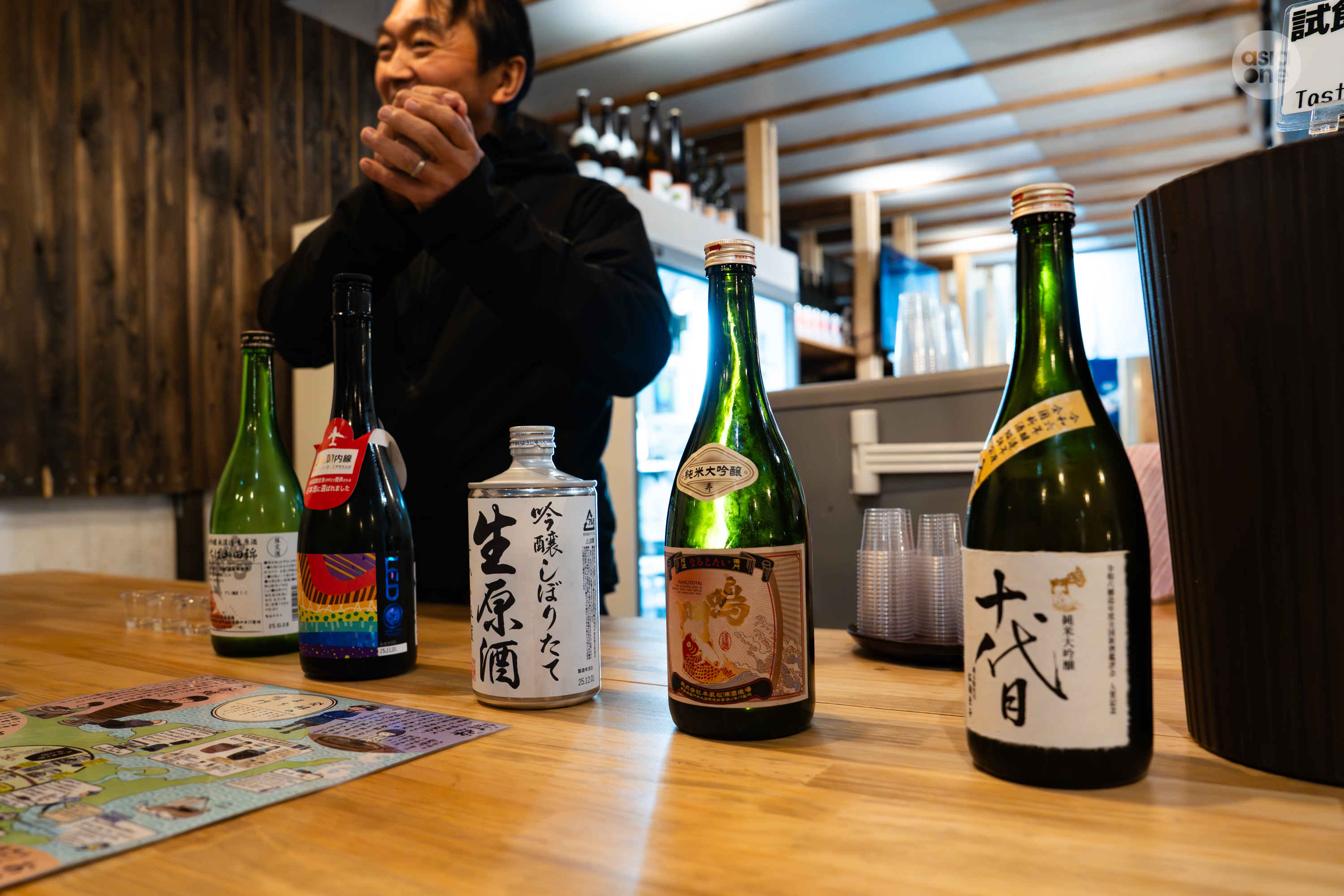
At the brewery, you can shop for a wide variety of sake, which vary in taste based on the amount of polishing applied to the rice, brewing methods, pasteurisation, storage methods and more.
There are even limited-batch sakes which are exclusively available for sale in-store and can’t be bought anywhere else in the world. These offerings are produced in small quantities and only offered at the brewery itself due to tight quality control, as temperature sensitivity may alter flavour and taste. Talk about an exclusive experience!
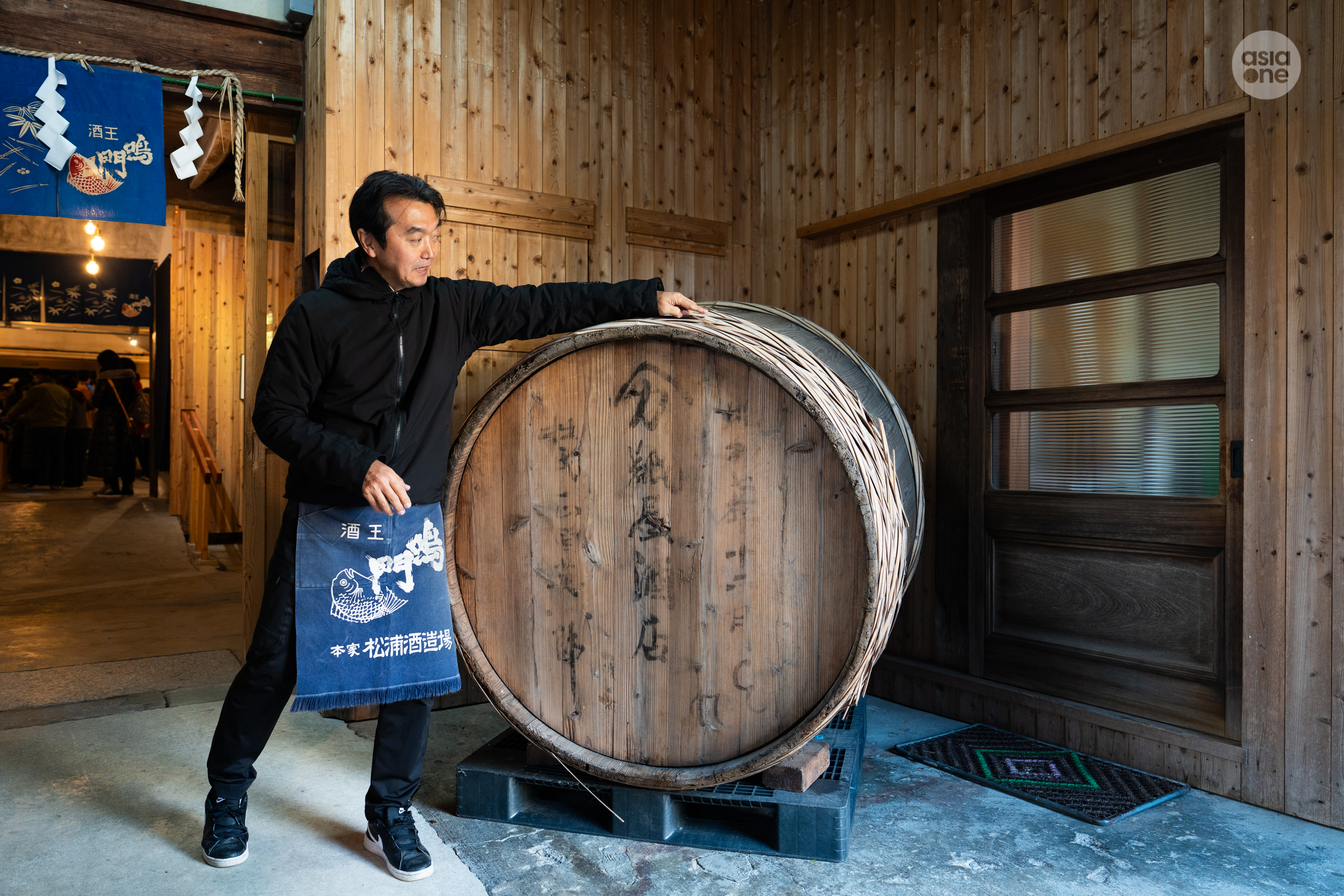
If you can understand spoken Japanese, you may also wish to register for a tour of the brewery for a deep dive into sake appreciation, experiencing both traditional and contemporary brewing methods. Do note advanced pre-booking is required to experience the tour. Otherwise, you may take a pitstop at their eatery for a quick bite before perusing the shelves for sake.
|
Miko’s tips on how to enjoy Tokushima: Where to stay, what to eat and souvenirs to get
|
Awashima island: Unforgettable sights and stories

We then headed north for Awashima island in Kagawa Prefecture via a 15-minute ferry ride from Suda Port.
Despite a mere population of under 100, we found Awashima island brimming with so much charisma and heart. The island bears a deep maritime legacy as Japan’s very first school for seamen. However, since the school’s closure in 1987, it has been slowly reinventing itself in inspiring new ways. Today, the cosy island is home to exciting contemporary artwork with the Setouchi Triennale art festival that takes place every three years, as well as permanent installations like the Awashima Artists’ Village Cave Mural and Missing Post Office.

You’ll still find maritime keepsakes as locals pay homage to the island’s rich history: streets are decked with a myriad of ‘buoy art’ installations, with quirky characters and figures crafted from recycled buoys. It lends the island such character, colour, and a sense of being lived-in, whilst being surrounded by some of the most amazing nature.
1. Hike up Mt Jonoyama for beautiful panoramic views
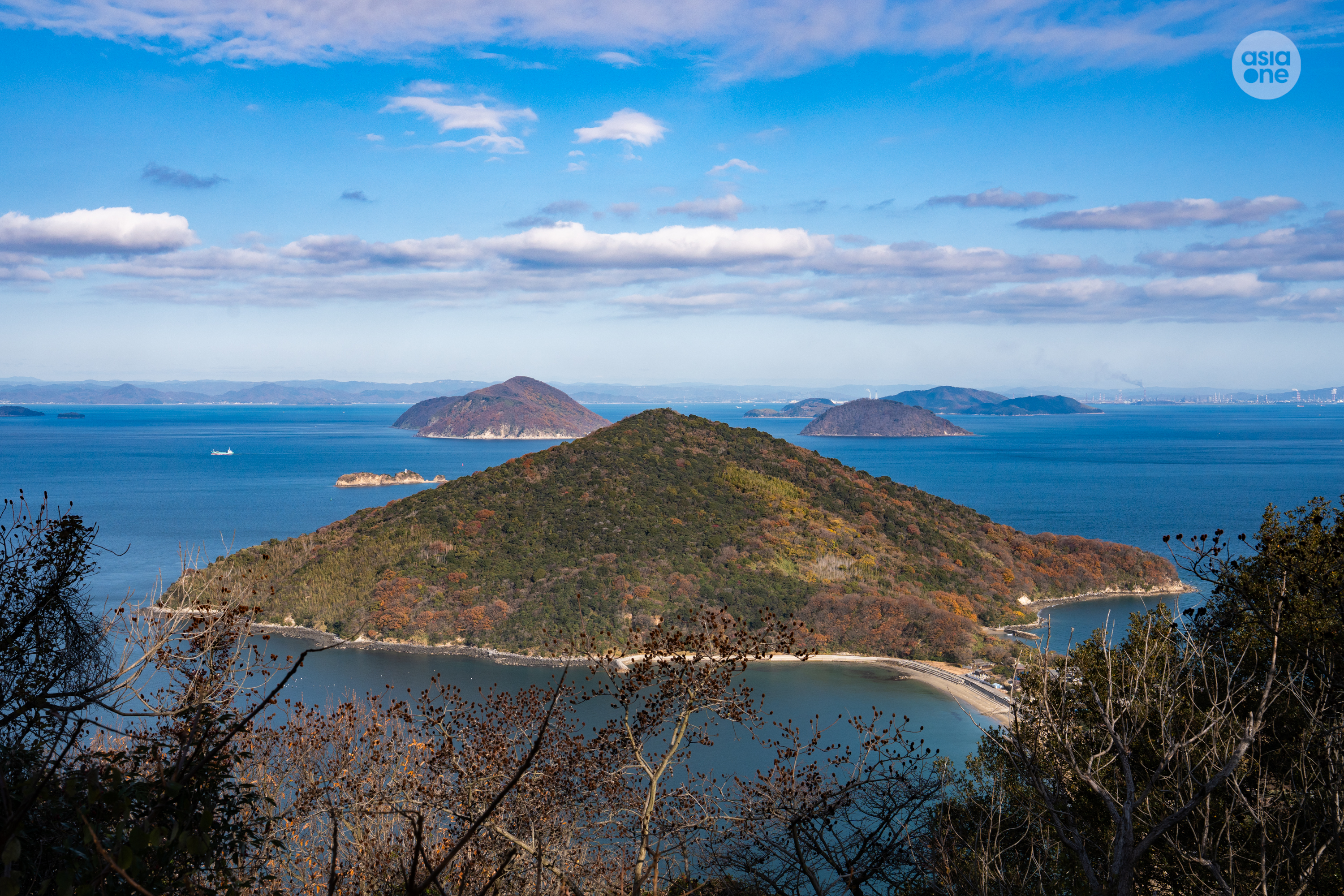
For a spectacular look at the surrounding Seto Inland Sea and numerous surrounding islands, go on a 222m hike up Mt Jonoyama. With relatively gentle slopes and stairs, the climb should be manageable even for beginners.
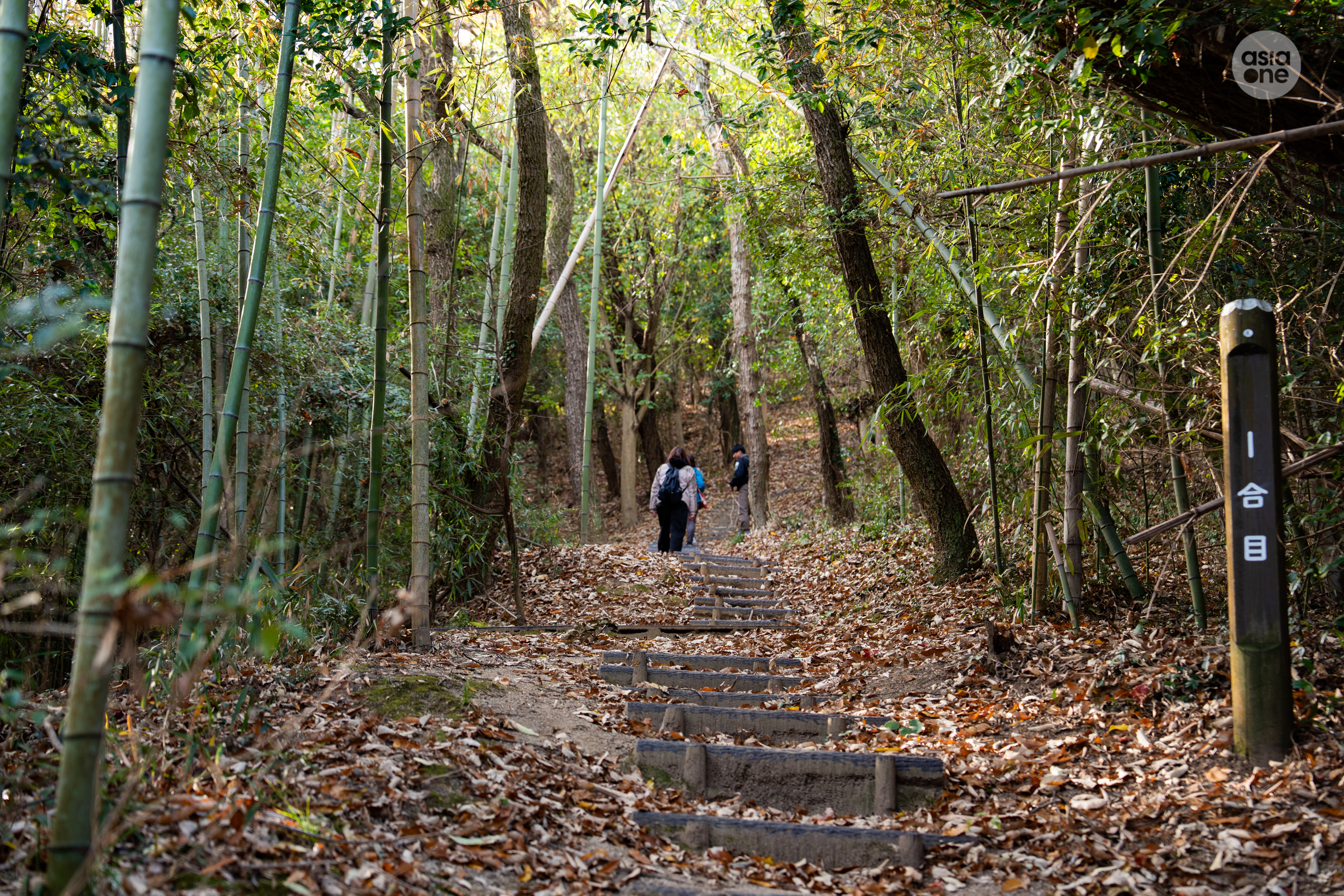
The journey up the mountain should take you no more than an hour, and the 360-degree panoramic views from the observation deck are more than worthwhile.

2. Share in the stories at The Missing Post Office
For an experience like no other, The Missing Post Office on Awashima island is an art installation that invites you to share in the raw, messy and heart wrenching emotions of all those who have passed through its doors.
Upon entering, you will see rows and rows of letters stacked on shelves lining the walls and fellow visitors penning letters. But this is no regular post office: letters that come by the post office will never be delivered to their intended recipients.
Some letters convey messages to estranged loved ones, the dearly departed, or missed connections, while others may simply unveil the silence senders have carried for years.

The Missing Post Office began as an art installation by Japanese artist Saya Kubota in 2013 and has since been run by retired postmaster Katsuhisa Nakata until his recent passing in Nov 2025. Nakata’s son shared how the post office had served as a place for comfort for those working through feelings of grief as his father worked to transform the place from a conceptual artwork into a welcoming and ever-evolving community space.
|
Miko’s tips on how to enjoy Awashima: What to see, eat and how to get around
|
Kochi: Bountiful nature, fruits and delicious specialties

With breathtaking nature, culinary specialties and a warm inviting culture, Kochi prefecture is not to be missed on your trip to Shikoku. Be sure to load up on citrusy fruits and treats here as the prefecture’s warm and mountainous climate produces top-tier yields of yuzu, Tosa pomelo and Niitaka pears.
Every August, Kochi residents will don colourful costumes, grab wooden clappers and take to the streets to dance for the Yosakoi Festival which takes place annually from Aug 9 to 12. It precedes the Awa Odori festival in Tokushima (Aug 13 to 15), so plan your visit around these dates if you wish to participate in this unique cultural experience!
1. Niyodo Blue: Nikobuchi, Yasui Gorge and Nakatsu Valley

The Niyodo Blue is Kochi’s flagship attraction, with the Niyodo River well known for its exceptional quality and mystical blue colour.
One of the most stunning viewpoints is the Nikobuchi, a deep waterfall basin in a mesmerising brilliant blue. It is considered a sacred place for the local people, as Japanese folklore dictates that it is home to a water god in the form of a white serpent.
To view the Nikobuchi in the most vivid, brilliant shade of blue, Miko advised that the best time to visit is around noon when the sun is directly shining right about the waterfall basin.

The entire Niyodo River runs 124km long, from high mountainous areas in Shikoku into the Pacific Ocean. Nature lovers will surely enjoy trails along the Yasui Gorge and Nakatsu Valley as you follow along the river stream.

While we visited in winter, Miko notes how popular the place is in October and November with the wonderful autumn foliage with an abundance of Momiji maple trees in red, orange and yellow.
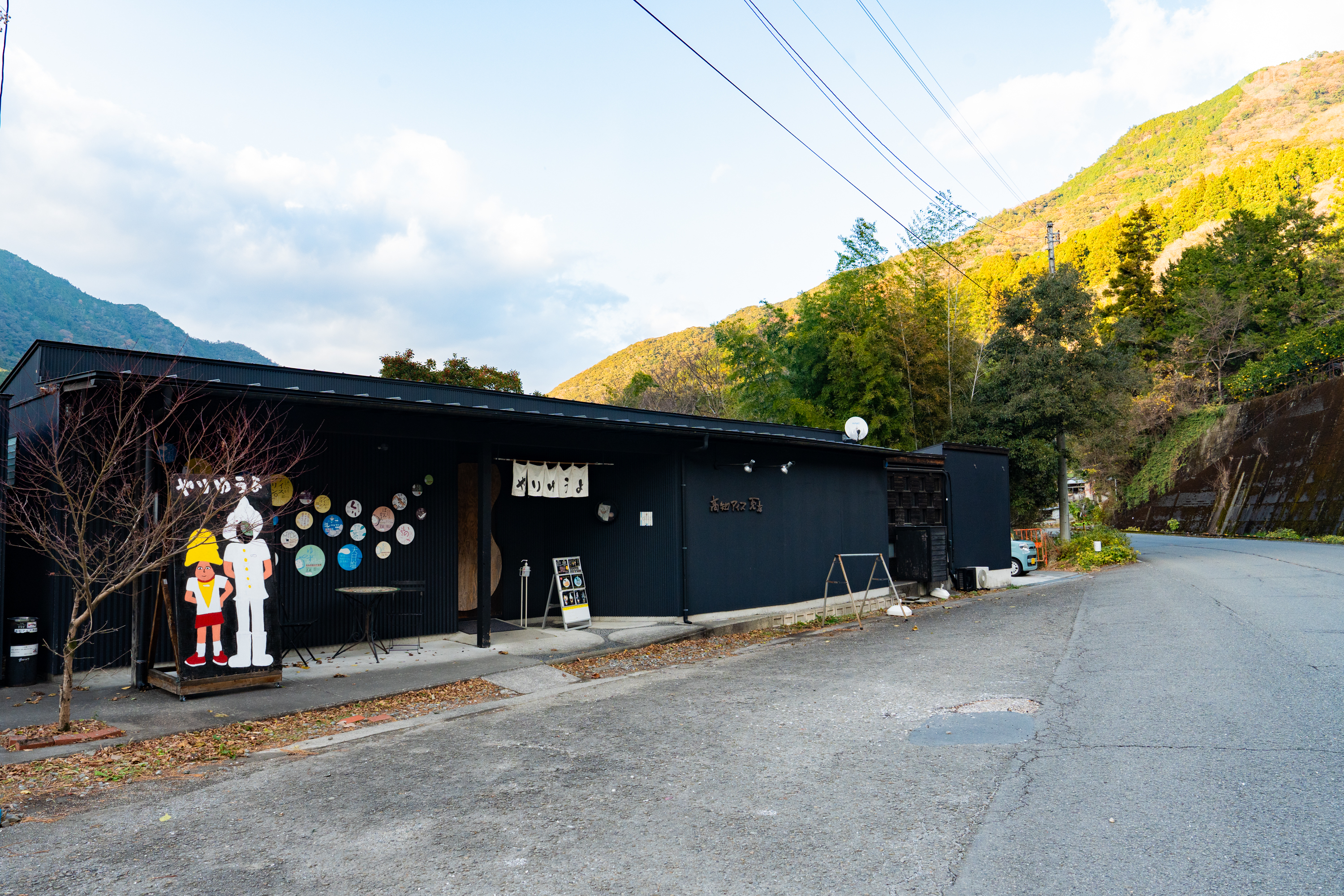
On your visit to Niyodo Blue, you should absolutely stop by the Kochi Ice Cafe for a comfortable spot and what might just be the best view of the river. The cafe owner was apparently so captivated by the Niyodo Blue from this specific viewpoint that he had pleaded with the local authorities to let him set up his store here!

Indulging in a sweet treat and staring out into the serene view of the mountains and river, we’re delighted that he realised his dream – it is a sight to behold.

2. Find local food specialties at Hirome Market

For a wide array of Kochi’s food and beverage offerings, head to the Hirome Market in downtown Kochi. A large food court that houses some 60 eateries, we got to enjoy a widespread range of food from gyoza to inaka sushi (vegetable sushi).

One must-try is local Kochi specialty, Katsuo no tataki (seared bonito). The sashimi slices were cooked Warayaki style, a cooking method originating from Kochi prefecture, where food is seared over an open flame producing a complex, smokey flavour.


|
Miko’s tips on how to enjoy Kochi: Where to stay, go and what souvenirs to get
|
How to get to and around Shikoku island?
There are four airports in Shikoku from which you can catch domestic flights to and from popular Japanese cities like Tokyo or Osaka. They are:
- Tokushima Airport,
- Kochi Ryoma Airport,
- Matsuyama Airport (Ehime),
- Takamatsu Airport (Kagawa)
To get around the island, travellers can turn to public transportation methods including buses and trains, which should take you to major towns, cities, and tourist spots. For more remote nature areas however, it’s advisable to look at car rental options.
If you’re looking for an easy-going journey around Shikoku, charter services are also available. Consult with a preferred travel agency of your choosing for this to be arranged.

From incredible sights, mouthwatering delicacies and exciting experiences off the beaten path, there’s so much more than what meets the eye on Shikoku island. So much so that we recommend spending at least four to five days here to fully experience and appreciate the area’s slower pace of life.
So, grab your best travel buddy and gear up for an adventure and a whole new place to experience in Japan!
For more travel information to Japan, visit JNTO.
This article is brought to you in partnership with Japan National Tourism Organization (JNTO).
kimi.ang@asiaone.com
Read the full article here