







SINGAPORE — Singaporean couple Sean Lee, 37, and his wife Rachell Tan, 36, brought their retirement plans forward by nearly two decades when they relocated to Kuala Lumpur in 2025.
The couple, who married in 2020 and who run an e-commerce business together, live in the gated township Desa ParkCity in KL, in a 135 sq m three-bedroom condominium apartment which they bought for around RM1.7 million (S$539,000).
After leaving their four-room Housing Board flat in Yishun vacant for almost a year, they recently sold it for $520,000, nearly double the price they paid on the resale market in 2019.
Since relocating, they estimate that their average monthly expenditure has decreased by at least 30 per cent, from $4,000 to roughly $2,740.
Enabled by remote work and digital businesses, Lee and Tan are among a growing number of Singaporeans exploring the idea of relocation while they are in the prime of their careers, drawn by lower living costs and the promise of a slower pace of life.
Those who spoke to The Straits Times say housing affordability, cheaper daily expenses and proximity to Singapore are some of the draws of moving across the Causeway.
Motivation behind the move
Lee and Tan, who do not have children, initially wanted to achieve financial independence in their 40s before moving to the Malaysian capital in their 50s for a slower, more affordable lifestyle.
But those plans were upended in 2024 when Lee’s mother unexpectedly lost her job in the food and beverage industry.
Until then, the couple’s road map to early retirement had centred on property. In 2024, they spent around $36,000 to renovate the four-room HDB flat of Lee’s single mother, making it more modern and elderly-friendly — with plans to move in with her after selling their own four-room resale flat at a profit.
The idea was to live with Lee’s mother while looking for a newer property to purchase. Instead, the family’s circumstances forced a rethink.
“With the renovation almost finished, we decided not to move in, so my mother could immediately rent out her spare rooms. That way, she didn’t have to worry about finding another job because she could receive passive income,” says Lee.
The decision also came against a backdrop of tighter finances.
Lee had spent five years building up his food and beverage business, Boufe Boutique Cafe, before it closed down in 2020 when the Covid-19 pandemic devastated the F&B industry. Later that year, he joined Tan in running her e-commerce business, which sells wellness and beauty products.
“I think many Singaporeans have toyed with the idea of living elsewhere when they retire,” says Tan. “With the sudden change in plans and the need to lower expenses, we started thinking more seriously about bringing our relocation plans forward.”
They sought financial independence by lowering their cost of living. As they explored their options, one solution stood out: geoarbitrage.
This refers to a financial strategy involving earning an income in a strong currency or in a high-wage economy while living in a country with a significantly lower cost of living.
By widening the gap between income and expenses, practitioners aim to stretch their dollar further, build wealth more quickly and enjoy a higher quality of life.
Financial planners note that geoarbitrage works best for people whose income is not tied to where they live, such as remote workers, business owners and retirees. Other risks include currency fluctuations, local inflation and institutional reliability.
For Lee and Tan, the idea evolved from an interesting financial concept into one of the biggest motivations behind their move.
[[nid:734960]]
The cost of relocation
KL was a natural choice for the couple. As they were already familiar with the city, moving to Malaysia would not be a drastic change.
Their circumstances made relocation fairly feasible. Their business can be run remotely and they earn primarily in Singapore dollars, have no children and already have professional ties in KL.
One of their biggest concerns was securing the right to long-term stay in Malaysia.
They applied for the Silver tier of the Malaysia My Second Home (MM2H) visa, paying agency fees of RM40,000 for the two of them.
The MM2H programme has multiple tiers and grants foreign nationals a renewable, multiple-entry visa that allows them to live and invest in Malaysia.
As part of its requirements, successful applicants have to place US$150,000 (S$194,000) into a fixed deposit account, purchase a property for at least RM600,000 and live in Malaysia for a minimum of 90 days a year.
While waiting for their application to be approved, they arranged for home viewings in KL and simulated their potential life there with a two-week stay in a rented apartment.
“We tried to live like locals and booked an Airbnb in the neighbourhood we wanted to stay in. We thought if it’s not for us, then we could quickly strike the relocation idea off. But it turned out that we enjoyed it and could do our work as usual,” says Tan.
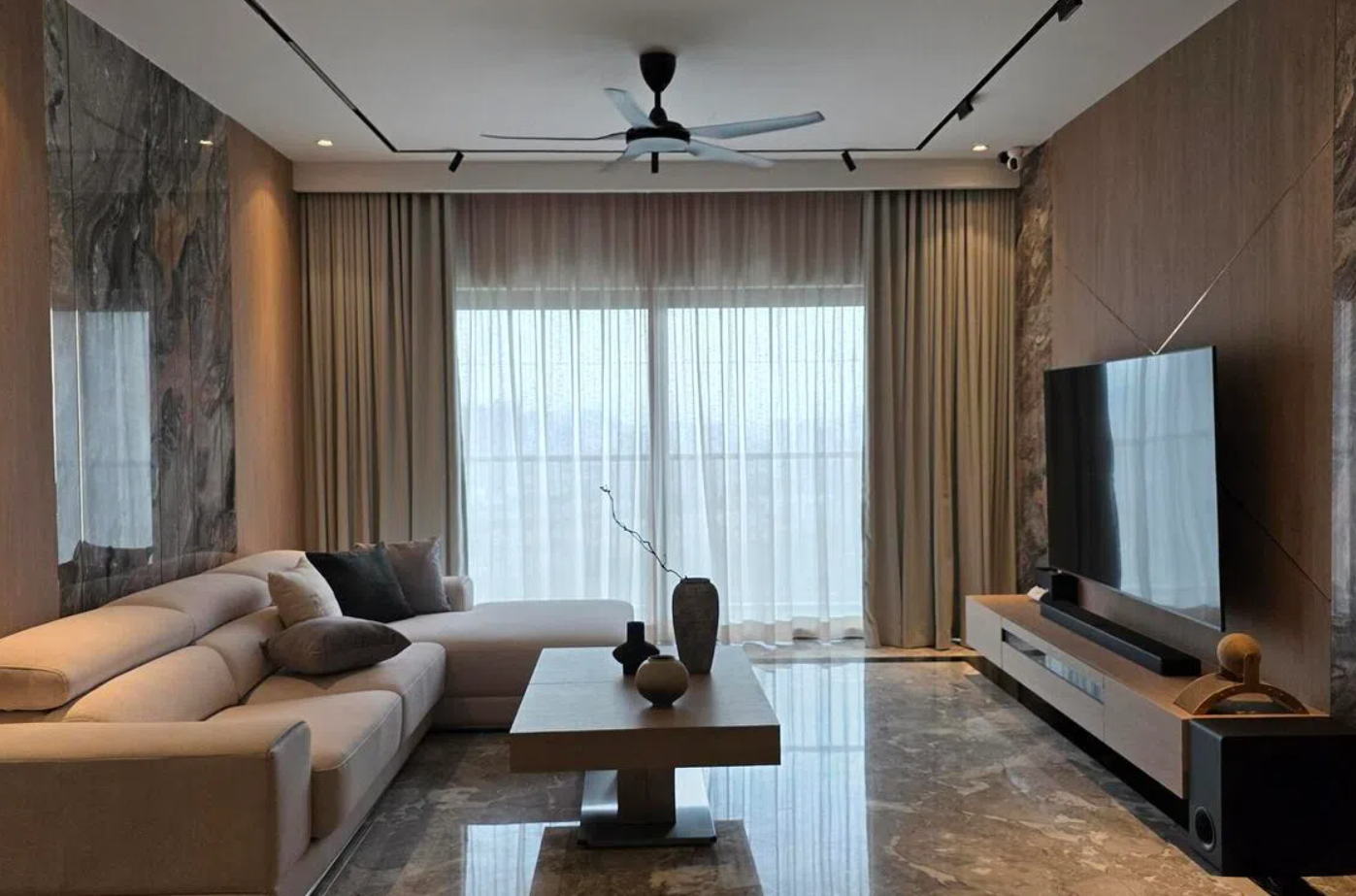

Their monthly living expenses include $1,300 on mortgage, a $100 condominium maintenance fee, $100 for utilities, $800 for food and groceries, $40 for electric vehicle (EV) charging and $500 for cat supplies. They live with seven cats and have fully paid for a new EV, which cost roughly RM180,000.
Singaporeans can buy and register a car in Malaysia without permanent residency or a special visa. However, it is illegal for Singapore residents to drive a Malaysian-registered car in Singapore.
The couple attribute their higher monthly spending in Singapore to their car loan and maintenance fees, petrol and the cost of recreational activities, food delivery and eating out.
Starting over
While Lee and Tan agree that the reduced cost of living has been a welcome change, rebuilding a life abroad in their mid-30s has been far from effortless.
“We’d already lived at least 35 years of our lives in Singapore before our move. Everything we knew was there,” says Tan. “After we moved, we had to start from scratch.”
It took months to become familiar with their new surroundings, including finding new favourite eateries and neighbourhood hangouts and figuring out where to shop for everyday essentials at the best prices.
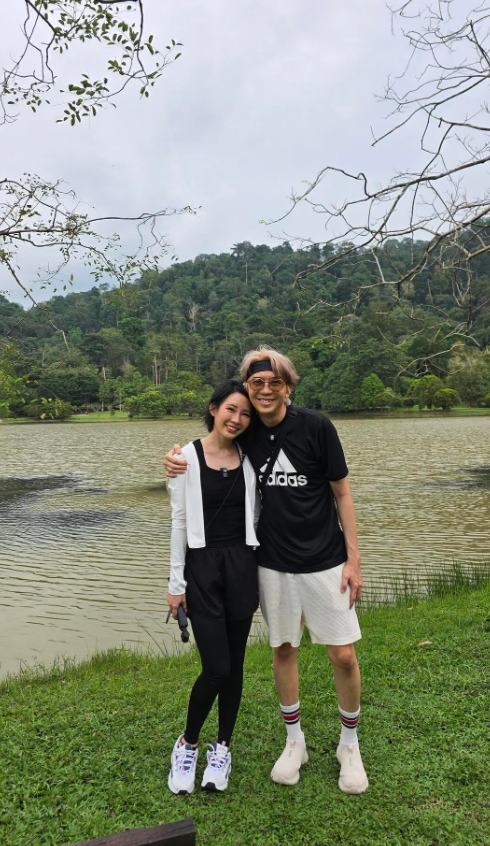

Even driving required an adjustment. Traffic jams in KL sometimes mean sitting in congested roads for at least 30 minutes, even for short distances, says Lee.
The move also came with longer-term considerations.
While their parents in Singapore remain healthy and independent, Lee and Tan know they may one day need to balance life in KL with caregiving responsibilities back home.
As part of the MM2H scheme, the couple are required to buy local insurance coverage, which they can claim from if they are admitted to hospital. They live near a private hospital, which eases their concerns about access to healthcare.
“When we’re abroad, I think we appreciate Singapore more. We can see the country from a different perspective and understand why certain rules are in place. Now, we don’t take for granted simple things like sheltered walkways,” says Tan.
They return to Singapore about once a month to run errands and catch up with family and friends. They usually take the Electric Train Service from KL Sentral station to JB Sentral station, with one-way fares starting from roughly RM75, before crossing the Causeway to Singapore.
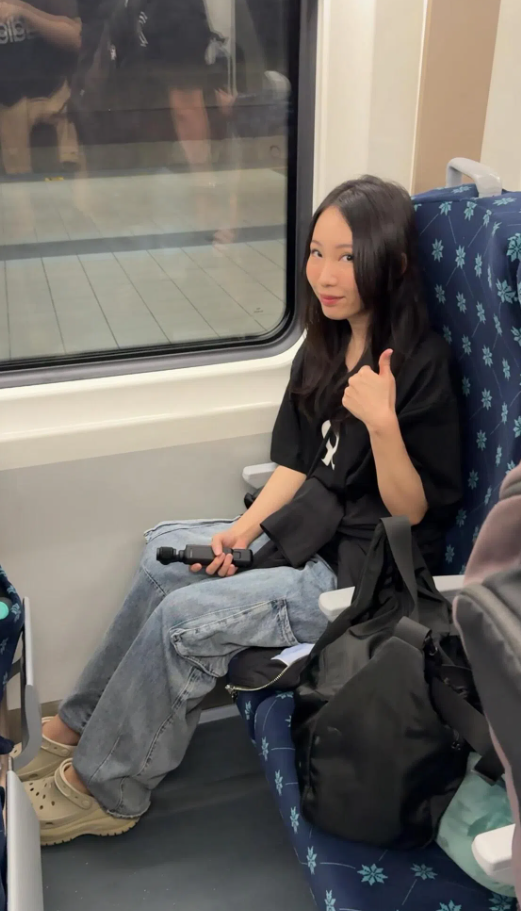

The whole journey, from their KL home to Woodlands, takes around 6½ hours. They eagerly await the opening of the Johor Bahru-Singapore Rapid Transit System, slated to begin operations in 2027, which will reduce their travel time.
Despite the challenges, they say the slower pace of life in Malaysia is worth the move.
These days, they begin most mornings with coffee on their balcony, taking in the expansive view of greenery before starting work, and have more time to go on dates, which they did not do often in Singapore.
They once believed their 30s and 40s should be spent climbing the career ladder and maximising their income.
But after months of reflection, they realised those goals mattered less than the freedom to decide how they want to spend their time.
“In Singapore, I could plan to do 10 things in a day, but I realised that just because I can doesn’t mean I should,” Tan says, adding that their lifestyle changes have contributed to better sleep.
Planning ahead
The couple have been documenting their relocation on YouTube, where they share the realities of starting over in a new country with viewers curious about making a similar move.
Covering topics from practical questions about housing and visas to everyday observations about life in KL, their videos have attracted comments from Malaysians and fellow expatriates who offer advice and recommendations.
The online community has become a source of support, helping them settle into their new surroundings more quickly.


While they have embraced their life in Malaysia, the couple do not plan to permanently close the door on Singapore.
Over the next few years, they hope to purchase private property in Singapore, which they plan to rent out while living in Malaysia. The property will also give them a place to stay when they travel back to Singapore and, if their circumstances change, a home to eventually return to.
They do not intend to have children.
Instead, Tan dreams of opening a sanctuary for rescued cats in Malaysia, and hopes to find a suitable landed property that can one day become a permanent home for the animals.
What comes after the five years granted under their MM2H visa, however, remains open.
“It’s just our first year, so everything is rosy and fun. We did try to plan 30 years ahead, but we can plan all we want and then life suddenly changes,” says Tan.
For now, they are savouring a lifestyle they had once imagined only for their later years. Lee says: “We’re happy with what we’re doing now and I think that’s important.”
[[nid:728217]]
This article was first published in The Straits Times. Permission required for reproduction.
Read the full article here