






When it comes to kampung spirit, many may think of neighbours sharing food or leaving doors open for visitors.
While Singapore’s old kampungs have made way for high-rise HDB estates and a faster pace of life, that doesn’t mean the neighbourliness has disappeared.
It has evolved alongside different generations of Singaporeans, taking on a new form.
This National Day, AsiaOne talks to Singaporeans from different walks of life to find out how kampung spirit lives on.
Contributing via community events
In the past, kampung spirit may have come more naturally as family and neighbours relied on one another in daily life.
But nowadays, it has become something that’s more intentional with organisations hosting events, gatherings and workshops to bring people together.
One of them is Playces, a non-profit organisation dedicated to helping “ordinary people” start community initiatives such as reading clubs, craft circles, neighbourhood events and mutual-help projects.
Speaking to AsiaOne, Playces founder Gena Soh said that the organisation’s long-term vision is to create a society where “everyone feels that they can contribute their gifts to public life”.
This contribution does not have to come in the form of a large-scale initiative, she explained.
In fact, it can be something as simple as teaching one’s neighbours how to crochet, organising a meal, hosting a conversation, looking after a community space, or helping someone else’s project succeed.
“We want to help create a society in which people approach one another with greater trust, curiosity and generosity — and where citizens see themselves not only as users of the city, but as people who can actively shape its social life.”
Rather than recreating the neighbourliness of the past, the 29-year-old said that Playces hopes to help Singaporeans “practise a contemporary version” of kampung spirit.
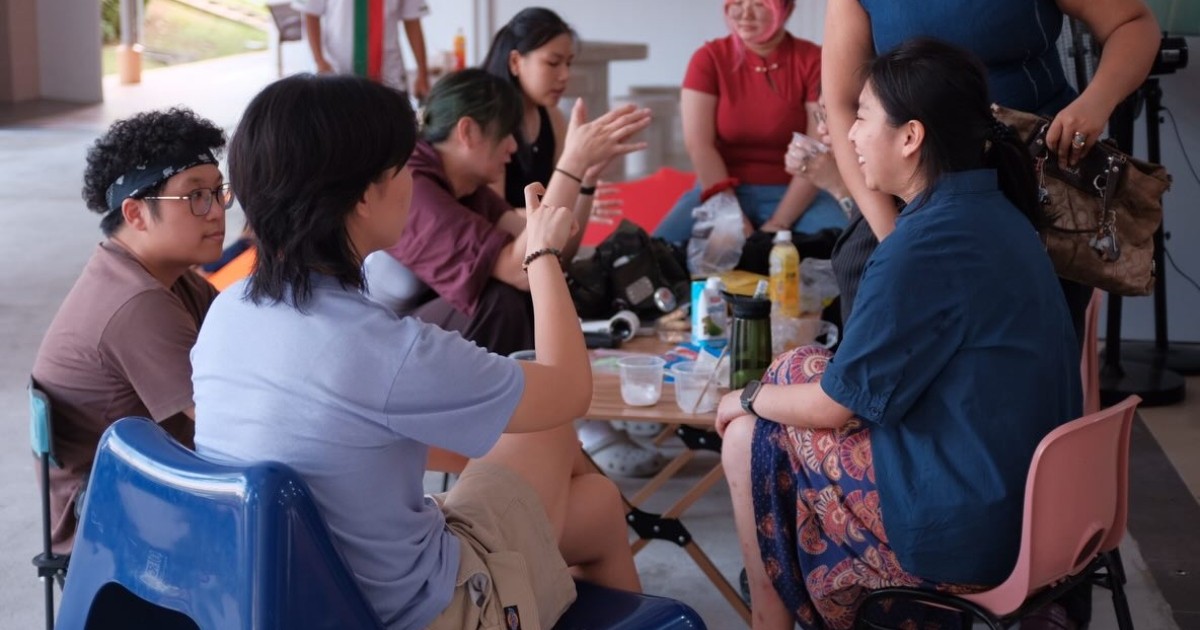
One example is a void deck party where residents gathered to converse, share food and enjoy performances. This transforms the void deck into a space where neighbours can meet and build new connections intentionally.
“A void deck party is not meaningful only because an event happened there,” Gena said.
“It is meaningful because residents see that the void deck can become a place they shape together. Someone brings food, someone performs, someone moves chairs, someone watches another person’s child, and someone who initially came alone leaves having met a neighbour.”
Sharing (food) is caring
Sharing food is a way to bring people together — and it doesn’t always have involve big, fancy meals or gatherings with people whom you already know.
In Singapore, many donors and volunteers are involved in efforts to save food from going to waste and also redistribute the items to the community.
One such person is Gregory Peck, an avid advocate for food rescue and a member of the community in Singapore.
To Gregory, the kampung spirit is “still very much alive”. Unlike the past when neighbours depended on each other, modern-day Singaporeans may need opportunities for them to come together, he noted.
And the best way to do that? Food.
“Once people start sharing food, conversations and relationships tend to follow,” the 55-year-old told us.
Through food rescue activities, the retiree has met people from all walks of life whom he “probably would never have crossed paths with otherwise”.
“When you are rescuing food, those social differences become much less important,” he said.
“People start talking about what they cook, what they eat, their families and their lives. For me, that is where the kampung spirit really becomes visible.”

This sentiment is echoed by Tampines Food Rescue, a ground-up initiative which stocks community fridges with free vegetables, fruits and other food items for residents.
Besides reducing food waste, such efforts can also create opportunities for the community to connect, it told AsiaOne.
“Our initiative brings together people from all walks of life. Residents volunteer their time, donors contribute what they can, and recipients are encouraged to pay it forward when possible,” it said.
This cycle of giving and receiving helps to “build trust, strengthen relationships and foster a sense of belonging”, Tampines Food Rescue told us.
“Beyond reducing food waste, Tampines Food Rescue shows that the kampung spirit is not just about where we live, but how we choose to care for one another,” it said.
“Every rescued item shared represents kindness, sustainability and a more connected community.”
BTO chat groups, online communities
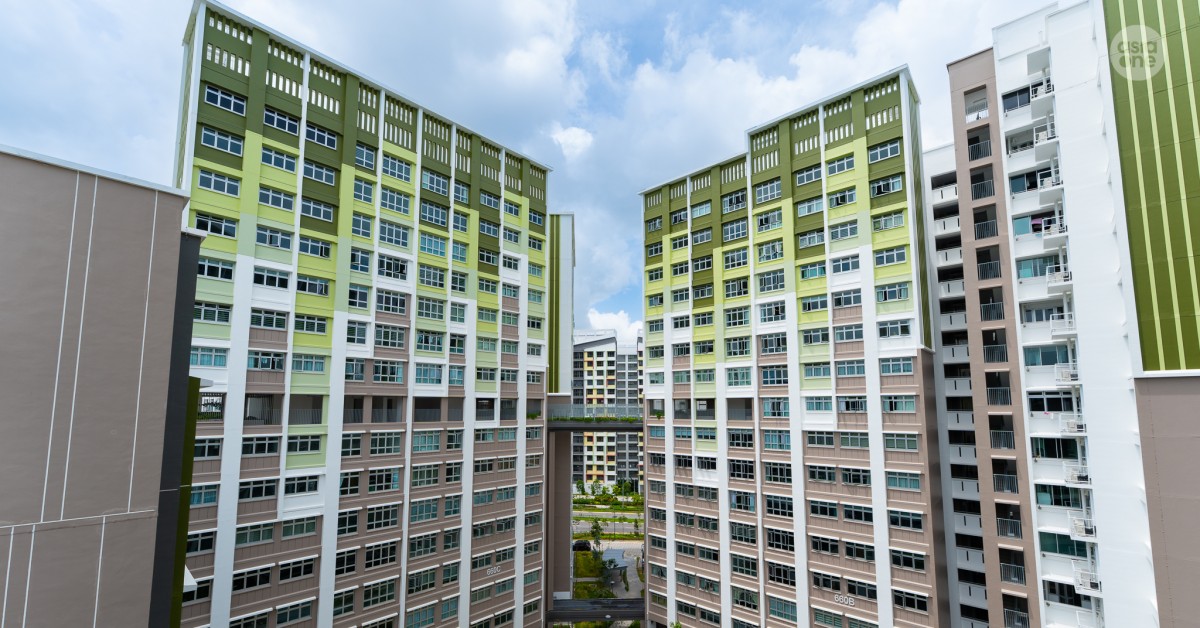
For many owners of Build-To-Order (BTO) flats, meeting their neighbours doesn’t have to wait until they move into their new homes.
These days, they get acquainted via estate Telegram and WhatsApp groups that are typically set up long before key collection.
In these chat groups, they share updates about the neighbourhood, organise group buys of household items, exchange renovation tips and chat about other topics.

Another way kampung spirit has evolved is how it’s no longer limited to those living within the same area.
Through a variety of Facebook groups, Telegram channels and online communities, Singaporeans are reaching out to people whom they may never have met in person — to seek advice, ask for help or connect with like-minded people.
These digital spaces act like notice boards which are commonly used to give away household items, appeal for donations, look for lost pets, or seek help for families facing difficult circumstances.
While the socialisation mostly happens online, this is akin to neighbours knocking on one another’s door for help — just like kampung days.
[[nid:718898]]
No part of this article can be reproduced without permission from AsiaOne.
carol.ong@asiaone.com
Read the full article here