




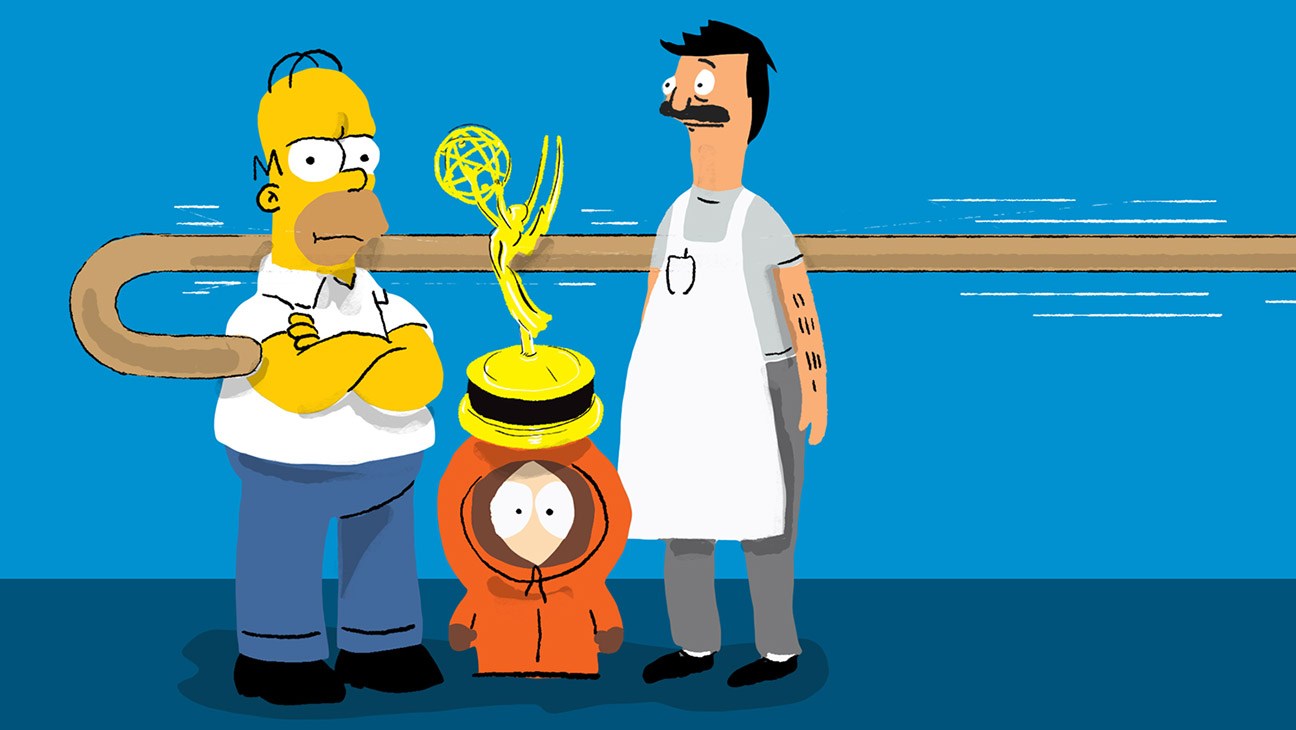


One of the great creative innovations America has given the world in the past 30 years is TV animation.
That sounds like hyperbole, but it’s true. The Simpsons changed how we look at the American family (and current events). Rick and Morty changed how we looked at comedy and the tragedy behind it. (“Wubba lubba dub dub.” Also, current events.) South Park changed how we looked at each other (and current events).
The problem is that those shows all started doing that a very long time ago. Rick and Morty is nine seasons in. South Park is 28. The Simpsons is 37 damn seasons deep. There are children who weren’t born when the series debuted who now have children who themselves are old enough to think Bart has got this whole life thing figured out.
All three of those shows are nominated for outstanding animated program this year. So is Bob’s Burgers, which just completed its 20th season. Now, a charitable view would hold that such shortlisting reflects the durability of these shows — how they manage to maintain their creative spark through so many changing winds.
There is something to that — it’s not easy to do anything well for three decades, let alone maintain character freshness.
But I fear the fact that animated characters don’t age — and that they’re basically money-minting machines for a few networks (especially Fox) — has led us to a pretty calcified place. No show should so regularly take a place on the Emmys stage. The Simpsons and Bob’s Burgers have been nominated every year since the Obama days. Nothing is that good for that long.
What isn’t on the animated shortlist this year? Dark sci-fi like Owen Dennis’ Among Us on Paramount+. The acquired taste but still bold stylings of Raphael Bob-Waksberg’s time-jumping family series Long Story Short on Netflix. Joe Cappa’s Adult Swim single-dad delight Haha, You Clowns. These are all newish shows from the past year or two with great energy and original takes. But to look at the Emmys noms is to not even know they exist (and indeed, many viewers won’t without the exposure).
A little breath of fresh air in the category comes via Smiling Friends, Adult Swim’s truly wacky take on a nonprofit and what it means to do good/be happy. And while I would hardly call anything in the George Lucas-verse fresh in 2026, Star Wars: Visions at least uses varied artists and styles in a way that feels original. But these shows seem token-y amid the Simpsons and South Park oak trees and probably won’t win anyway.
What can the Emmys do to fix this? Fortunately, there are a few things.
For starters, stop with just nominating a single episode. Unlike TV Academy convention elsewhere, the Emmys don’t award a show — they award an episode. That means that the kind of newer, zanier material that takes months to really settle into is completely disadvantaged — you’re not going to appreciate something weird and new if you just try to watch one episode. You’re just going to go back to something you know and like, such as The Simpsons or South Park.
Of course, the irony is that The Simpsons and South Park were themselves once oddball and required a multi-episode commitment to appreciate. But now that they are appreciated, voters just keep rubber-stamping them. I mean, Rick and Morty hasn’t really been good in several years. But voters just keep checking the box without thinking there might be a new Rick and Morty waiting out there.
The other irony is that many of the characters on these very shows would hate this kind of lazy legacy thinking and would balk at it. A category that is literally designed to celebrate subversiveness champions the sclerotic.
Another fix: Stop with the international ghettoizing. My colleague David Canfield just covered this on the live-action side, but it applies on the animated side, too. Bluey is one of the best shows on television these past 10 years. And many people in America watch it. Find a way to make it eligible for the primetime Emmy.
While we’re on the topic of Bluey, get rid of the “Eligibility in animation is for programming that targets an audience age 13 and above” rule. This is just not how people watch television anymore.
And finally, open up the Phase II voting beyond just the animation branch to the whole TV Academy. Animation is one of two realms that has this limitation. And it’s having a bad effect. People in the animation branch work in the field, which means they tend to vote for the shows of folks they know or have worked with. So we get the 30-year veterans.
I get why this exclusionary voting rule was first drafted: Animation is a specialized craft, and specialists should vote on their specialty. Also, there is a fear that the, ahem, unwashed masses who don’t work in animation won’t really know the shows because they’re too busy watching the live-action stuff. But if that was ever true, it’s not anymore. Everyone watches everything.
All of these might seem like big changes, hard to implement, but they’re really not. They’re possible and would make a world of difference. And if you doubt it, there’s a group you can ask that will help. A group that looked at the world as it is and said, “Maybe there’s another, more daring way to view it.” They are, of course, called animators.
This story first appeared in an August stand-alone issue of The Hollywood Reporter magazine. To receive the magazine, click here to subscribe.
Read the full article here