







A few numbers to consider when thinking about the current state of Hollywood: Nearly half of all film and scripted series shot outside the United States last year; Los Angeles County lost more than 42,000 entertainment jobs from 2022 to 2024; and Paramount Skydance and Warner Bros. Discovery made just 15 theatrical movies combined that filmed in the country over the last two years.
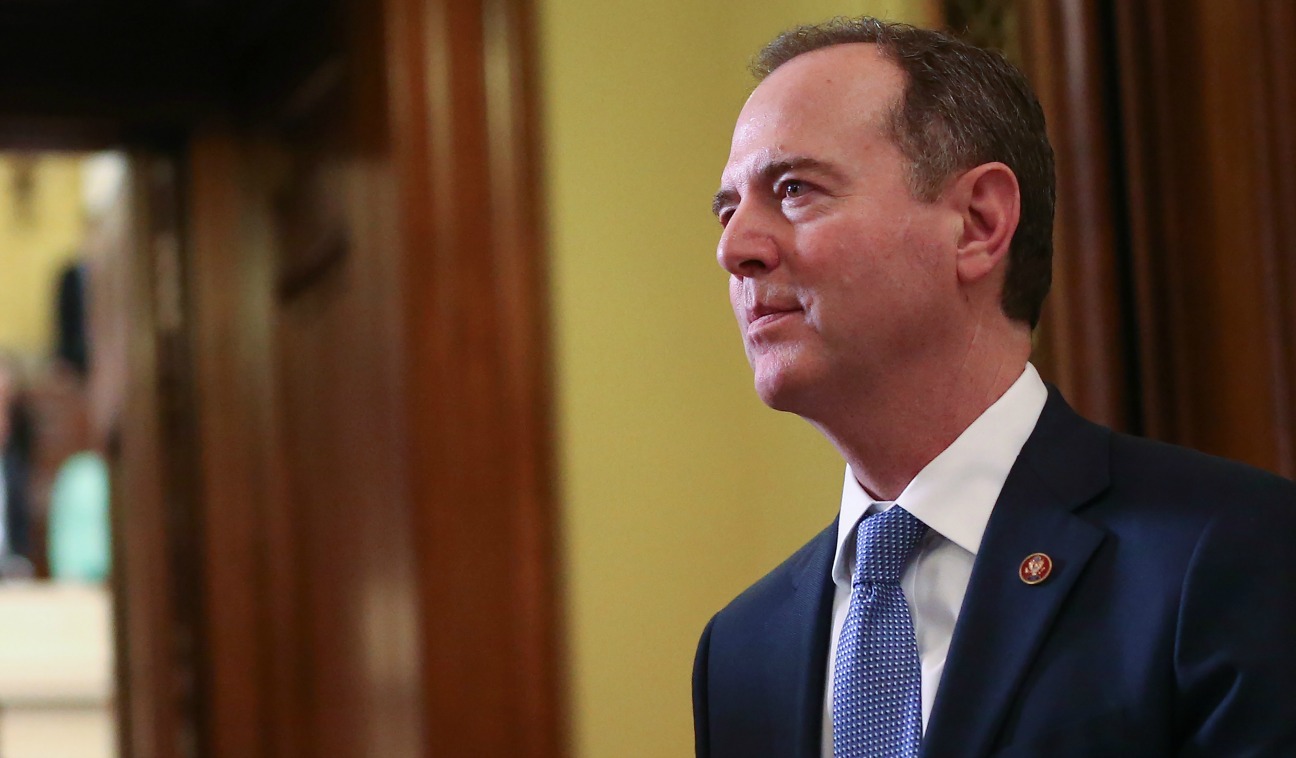
The narrative that the U.S. is losing its grip as the production capital of the world took centerstage at a hearing on Friday in Burbank City Hall convened by Sen. Adam Schiff, who’s looking to build support for a federal tax incentive to bring jobs back stateside. “The urgency cannot be greater,” he said, before proceeding to call out “unprecedented consolidation” in Hollywood as Paramount Skydance looks to acquire Warner Bros.
While the hearing was representative of the many issues plaguing the entertainment industry and Los Angeles-based film community, it also highlighted the lack of clarity and urgency by the federal government, state and city in how to address them. For years, observers have been ringing alarm bells of consolidation in Hollywood and the flight of productions to other countries for more generous filming subsidies. Workers in the industry, particularly those in L.A., are now paying the price.
“We’re always reacting,” said Rep. Lou Correa. “We’re not ahead of curve here. It’s going to hurt us.”
Up first, The Pitt star and executive producer Noah Wyle talked up the significance of instituting a federal tax incentive scheme. His show is “proof of concept,” he said, that productions will return to the U.S. if more subsidies are offered.
“It is vital to the strength of the industry and city to support these incentives,” Wyle added. “It’s an investment in the city’s most precious commodity and asset. it’s an investment in its people.”
A closer look at The Pitt‘s financials: With a 20 percent tax credit from California, the show got a rebate of roughly $760,000 per episode. That lowered its total first season spend from roughly $100 million to $88 million, a difference of the cost of roughly two episodes.
To some, film incentives are seen as an engine for jobs creation. When a production comes to town, it’s not just the crew members, hair stylists and electricians on the set that are hired. Money trickles down to workers from caterers to carpenters to dry cleaners.
IATSE has long advocated for a federal film and TV tax credit. While state subsidies are helpful, president Matt Loeb said, they’re not enough. “Without a comprehensive federal policy response, the U.S. risks turning its back on a signature American industry,” he added.
Since 2022, employment for below-the-line workers is down 45 million hours, according to the union. Over the same period, the U.S.’s share of global production dropped from 52 percent to 38 percent. Most major studio tentpoles — the kind that bring bucks — now shoot in the U.K.
One question that’s emerged since Paramount’s proposed deal to acquire Warner Bros. is where it will shoot the 30 movies per year the studios committed to producing. It likely won’t be in the U.S. without a federal subsidy, according to Loeb.
“A commitment to 30 pictures doesn’t mean anything unless they’re done here,” he said.
Still, he observed that it’s not too late, explaining that “they moved that fast and they can come back that fast.”
Read the full article here