



The messages besmirching the wealthiest billionaire in the country began appearing in April across New York. Well, underneath it — as subway advertisements, covertly placed behind the plastic of those square commuter distractions, pitching continuing education or more youthful skin. And while the messenger behind these ads urging a boycott of the 2026 Met Gala may have felt unclear, their message was unmistakable: Jeff Bezos, the billionaire owner of Amazon and various other companies that touch the lives of millions of Americans, is no good.
“The Bezos Met Gala: Brought to You by the Company that Powers ICE,” one of the guerrilla ads reads, alluding, dead-eyed, to the 62-year-old’s company’s contract providing cloud computing to Immigration and Customs Enforcement — which, under the Trump administration, has brought detentions up by over 75 percent in one year — or perhaps to Bezos’ cozy affiliation with the president. “The only minority destroying this nation is the super rich,” another ad explains.
Amazon may be providing cloud computing to ICE, and Bezos may have attended Trump’s second inauguration. But why would this lefty underground ad campaign target him now? Somehow, the once innocuous and nerdish CEO’s involvement — read: throwing cash at — this year’s beloved Met Gala is chapping a lot of asses, with protests popping up and New York’s newly young mayor ducking out of the event. Could his media blitz with new wife, ex-journalist Lauren Sanchez-Bezos, have backfired, as they’ve become one of the media’s more heavily photographed couples? Too many tone-deaf photo shoots from the happy pair, who essentially rented out the city of Venice for their star-studded summer 2025 wedding; the gutting of the Washington Post as soon as the second Trump administration settled in — the list goes on. This year seems to have us hating Bezos. The nation’s onetime avatar of wild success (he started in his basement!) may just be our next pariah.
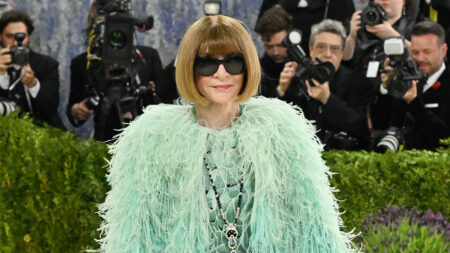
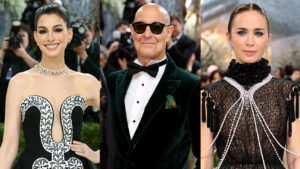
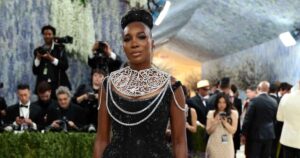
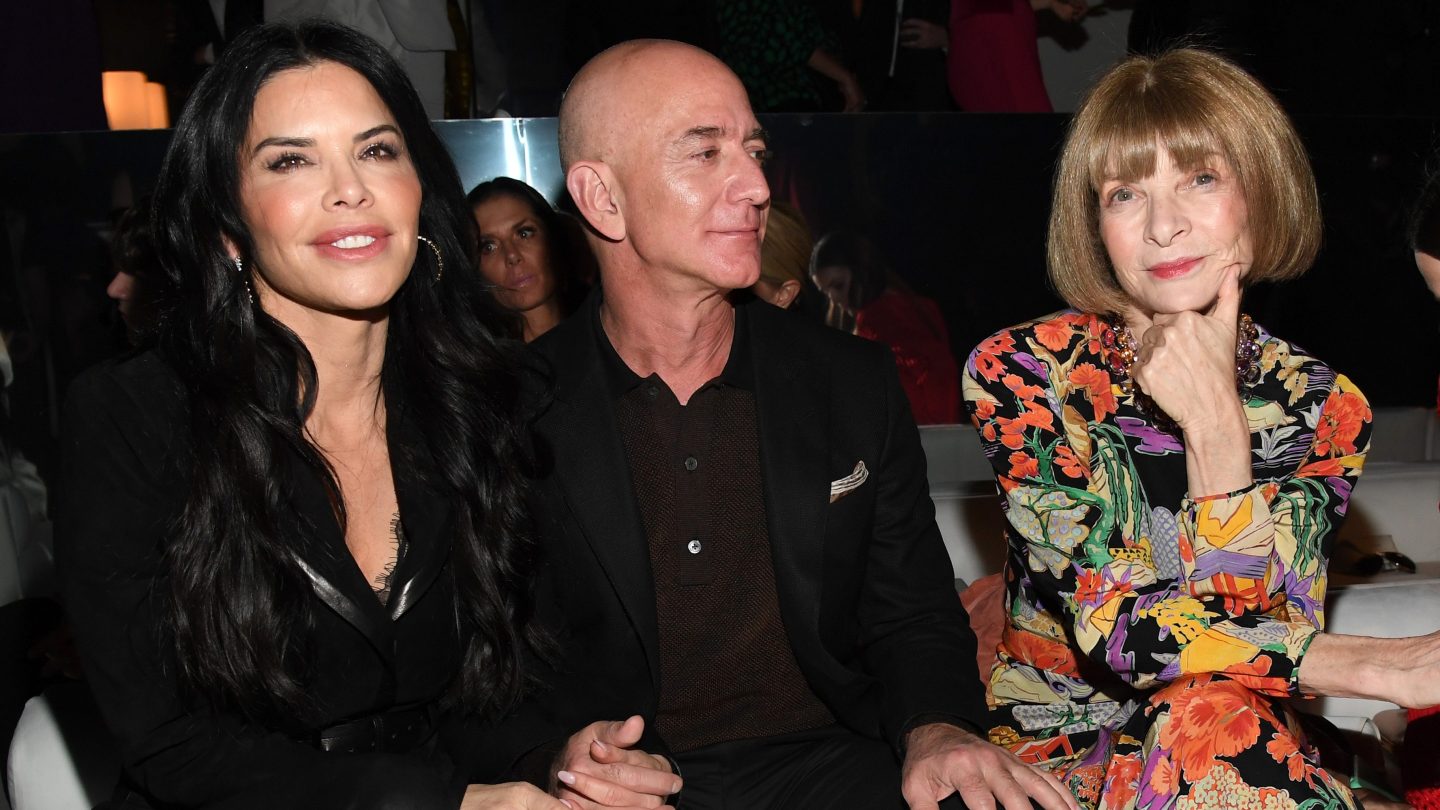
The subway campaign, it turns out, came after Bezos and Sanchez-Bezos bought their way onto the dais at the Met Gala, according to Page Six, to the tune of $10 million. This was certainly to the delight of Anna Wintour, the former Vogue editor-in-chief (and current chief content officer of Condé Nast and global editorial director of Vogue), who, for years, has side-hustled as steward of the Met Gala and the museum’s costume collection. She has yet to provide a convincing answer when asked why Bezos and his wife are joining her and co-chairs Beyoncé, Nicole Kidman and Venus Williams — and host committee members like Zoë Kravitz and Yves Saint Laurent’s Anthony Vaccarello.
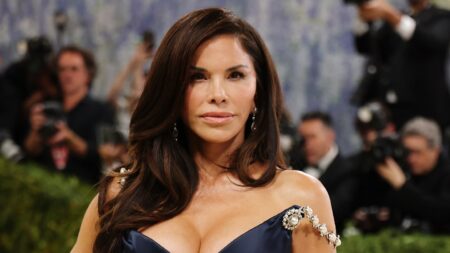
The couple was expected to join Wintour atop the museum steps, greeting arriving guests; Sanchez-Bezos walked the carpet Monday night without Bezos. The optics of these two standing above all attendees — some of the most creative and talented designers in the world — strikes many as a perversion of what the Met Gala is meant to represent: an event born out of creative power, imagination and raw talent. With extreme wealth so easily penetrating this world, a protest movement has emerged.
Everyone Hates Elon, the global but U.K.-based guerrilla group behind the subway ads, kept up its work last week when it concocted a protest statement against the bathroom break policy imposed upon Amazon drivers — around 300 bottles of fake urine were found, placed by members inside the Metropolitan Museum of Art. And last night, a series of messages condemning Bezos and his flagship company lit up the billionaire’s Madison Square Park condo. One featured Mary Hill, 72, an Amazon warehouse worker struggling with her finances and living paycheck to paycheck while battling cancer. Amazon workers average about $17 per hour; Bezos, according to 2023 data, earns millions per hour.
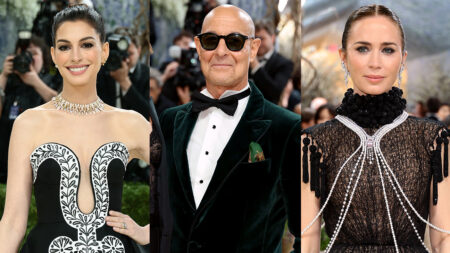
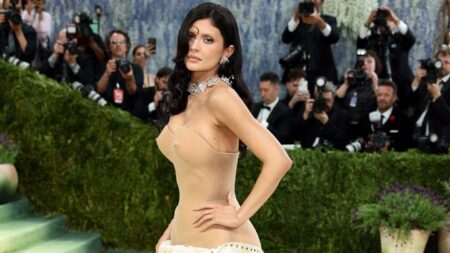
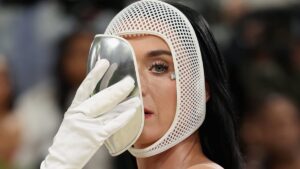
The Met Gala is set to take place in Manhattan Monday night with the theme “Costume Art,” with a “Fashion Is Art” dress code. It has long been the biggest social event for the fashion and celebrity set on the spring calendar, traditionally held on the first Monday in May at New York’s sprawling Metropolitan Museum of Art, with a $100,000-a-ticket price tag. (This is, mind you, an invite-only fundraiser for the Metropolitan Museum of Art’s Costume Institute.) It has never been an event for the people. And given that ticket cost, Wintour’s event typically has its share of billionaires on the guest list. Elon Musk famously brought electropop sensation Grimes in 2018; Rihanna and Kylie Jenner are reliably spotted on the Met’s carpet each May. And in 2012, as Amazon muscled into fashion after achieving domination in books and home goods, Bezos spent an estimated $1 million to be the named corporate sponsor, looking out of place as he stood with his then-wife, MacKenzie Scott, in a floppy bow tie. So why is he getting this level of grief now?
The answer is bad timing. No one likes a billionaire in 2026, and the incongruity of this kind of ostentatiousness placed next to the struggles of everyday Americans has gotten some knives out — and some eyeballs trained — on Bezos as he steps into a cultural fray where he’s never been known to tread.
“Culture does not come from boardrooms. It does not come from those who profit and exploit our labor. Culture comes from the people who are on this ground,” April Verrett, president of the Service Employees International Union, said as she opened the event on Monday. “It comes from the working-class meatpackers who gave this place its name. It comes from our LGBTQIA+ siblings who created communities. Culture comes from the creators and the designers who keep this place vibrant. It comes from the hands that stitch the garments. It comes from the workers who move the packages, from the caregivers who hold communities together, from the people who make every little thing love.”
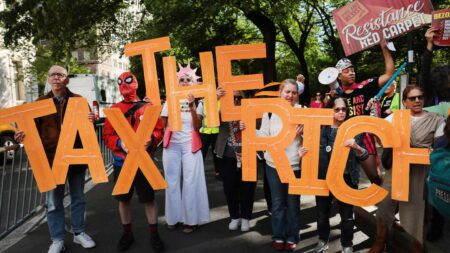
This was apparent as the list of grievances against Amazon was belted from a mic by actor and comedian Lisa Ann Walter in New York’s Meatpacking District on Monday afternoon. It told the other side of Bezos’ success story and gave attendees of the fashion event — a street party and celebration of labor and unions — a sense of the many fronts on which Amazon battles its employees as they fight for workplace safety, security and living wages.
Walter, who plays Melissa Schemmenti on Abbott Elementary and serves as a vice president of the SAG-AFTRA Los Angeles Local and member of its negotiating committee, stood along a rolled-out runway to emcee the Ball Without Billionaires, the contraprogramming event to the Met Gala which took the form of an outdoor runway show. Featuring looks from up-and-coming designers, the runway was graced by the activists combating Amazon’s policies from the inside.
One model who stunned the captivated crowd, filled with chic fashionistas who held signs reading “Labor is Art” and “10,” had, we were told by the host, pushed back on Amazon by circulating a petition for better air quality in her facility after working six days per week at an Amazon warehouse. Several warehouse workers who, after years of what they describe as poor conditions, organized union drives, donned outfits from South Asian-inspired Labyrinthave and Brooklyn-based femmewear maker Ita the Label. Jack and Hazel, two young Washington Post tech workers among the 76 fired in February’s purge, strutted down the runway in Ricardo DSean.
“We’re seeing all the ways that Amazon invades us to grab control over different parts of our economy and our community — our news, our groceries, our data,” Walter told the crowd in the show’s second half. “We want ethics and personal accountability. We’re starting with the First Amendment, which is basically the final girl in a slasher film — at this point, she’s still alive, and she’s a little bloody, and nobody’s assured she won’t be amended.”
Labor is art. The event’s theme may seem dubious, but it resonated as the vibrant clothing was coupled with the confrontation inherent in placing it on these models — everyday people from all over the country, fearlessly fighting against the policies and logistical minefield of corporate America. After all of them gathered on stage, the cordoned-off area turned into a party, and one that, for many, carries far more credibility than some stuffed-up uptown fundraiser.
Read the full article here