



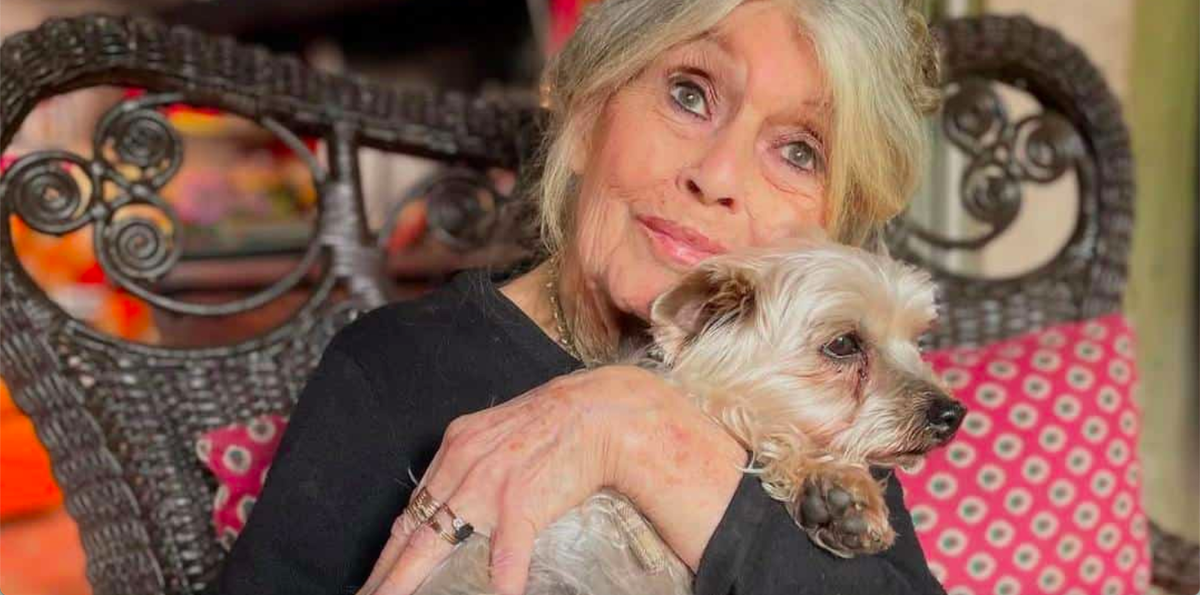


Bardot’s post-acting life was dominated by activism, including efforts against seal hunting, bullfighting, factory farming, and other forms of animal exploitation. Photo Credit: The Brigitte Bardot Foundation
Brigitte Bardot, the French actress and animal-rights campaigner, died on 28 December at the age of 91 after battling with a serious illness. She left behind a significant fortune, estimated at around €65 million, including multiple properties in Saint-Tropez, Cannes and Paris, as well as income from film royalties, image rights, and residual earnings from her extensive film career.
The estate, which had been intended in large part to fund her Fondation Brigitte Bardot, is now at the centre of a legal dispute between her son, Nicolas‑Jacques Charrier, and the foundation she established in 1986 to support animal welfare. Bardot donated properties and assets to the foundation during her lifetime, including her famed Saint-Tropez estate, La Madrague, where she retained the right to live until her death. Her careful estate planning reflected her long-standing commitment to animal welfare, but French inheritance law presents complications.
Wealth and philanthropy
Estate holdings and investments
Bardot’s wealth included a mixture of real estate, jewellery, intellectual property and cash assets. Notable holdings included La Madrague, her Saint-Tropez home; La Garrigue, a 10-hectare animal sanctuary; a villa in Cannes valued at around €6 million; and several apartments in Paris. Over decades, she accumulated substantial income from films, television appearances, royalties and endorsements, making her one of France’s most financially successful actresses.
Her foundation received significant funding through auctions of her jewellery, donations, and sales of personal items. This allowed it to operate rescue programmes, provide veterinary care, and campaign against animal cruelty. Bardot’s post-acting life was dominated by activism, including efforts against seal hunting, bullfighting, factory farming, and other forms of animal exploitation. Her philanthropy reflected both her personal passion and a desire to create a lasting legacy beyond cinema.
The inheritance dispute
French inheritance law
French civil law imposes a “réserve héréditaire,” which guarantees children a reserved portion of a parent’s estate. As Bardot’s sole legal heir, Nicolas‑Jacques Charrier is automatically entitled to 50% of the residual estate, regardless of any personal wishes Bardot may have expressed to favour her foundation.
Assets already transferred to the foundation, such as La Madrague, are protected from legal reclamation, but the division of remaining properties, royalties, and other funds must now be clarified through the courts. Legal experts expect the process to take months or even years, given the complexity of lifetime transfers and the mixture of personal and philanthropic assets involved.
Family tensions
Bardot’s relationship with Nicolas‑Jacques had long been fraught. In her 1996 memoir, she described her pregnancy with him as “like a tumour that had fed on me,” sparking legal action from her son and his father for invasion of privacy. Courts eventually awarded modest damages to Nicolas‑Jacques and his father, highlighting the depth of the personal rift.
Although some reconciliation occurred later, with her son occasionally visiting La Madrague, the inheritance dispute has reignited public interest in their strained relationship. The combination of legal and personal tensions makes this estate battle a rare example of a high-profile dispute between celebrity family members and charitable organisations in France.
The foundation’s role
Funding animal welfare
The Brigitte Bardot Foundation has long been Bardot’s principal vehicle for her philanthropic work. It continues to run campaigns against animal cruelty, operate rescue and veterinary programmes, and support wildlife protection initiatives. Bardot donated significant properties and financial assets to the foundation during her lifetime, ensuring it would continue her mission after her death.
Legal analysts note that while the foundation’s assets are largely protected, other parts of the estate remain subject to division, meaning the final allocation will balance statutory inheritance rights with Bardot’s philanthropic intentions.
Summary of the dispute and legacy
- Bardot left a €65 million estate, including properties in Saint-Tropez, Cannes, and Paris, as well as royalties and other assets.
- Her son Nicolas‑Jacques Charrier is legally entitled to 50% of the residual estate under French inheritance law, regardless of her wishes.
- The Fondation Brigitte Bardot received significant assets during Bardot’s lifetime to continue her work in animal welfare.
- Bardot’s memoir remarks describing her son as “like a tumour” caused legal action in the 1990s, illustrating long-standing family tensions.
- The estate represents both a financial and symbolic battleground, balancing Bardot’s family obligations and her philanthropic vision.
- Assets already transferred to the foundation, such as La Madrague, will likely remain protected from claims by her son.
Looking forward
Estate division and future of the foundation
While Nicolas‑Jacques Charrier is guaranteed a statutory share of the estate, the remaining assets are set to support the Fondation Brigitte Bardot, ensuring her work in animal welfare continues. Legal proceedings will clarify how lifetime donations and testamentary intentions interact with French inheritance law.
Bardot’s estate now represents both a financial and symbolic battleground, reflecting her dedication to animal welfare alongside her family responsibilities. Her fortune and properties are expected to continue funding animal protection campaigns for years to come, while her complex family and legal legacy remains a topic of public fascination.
Read the full article here