




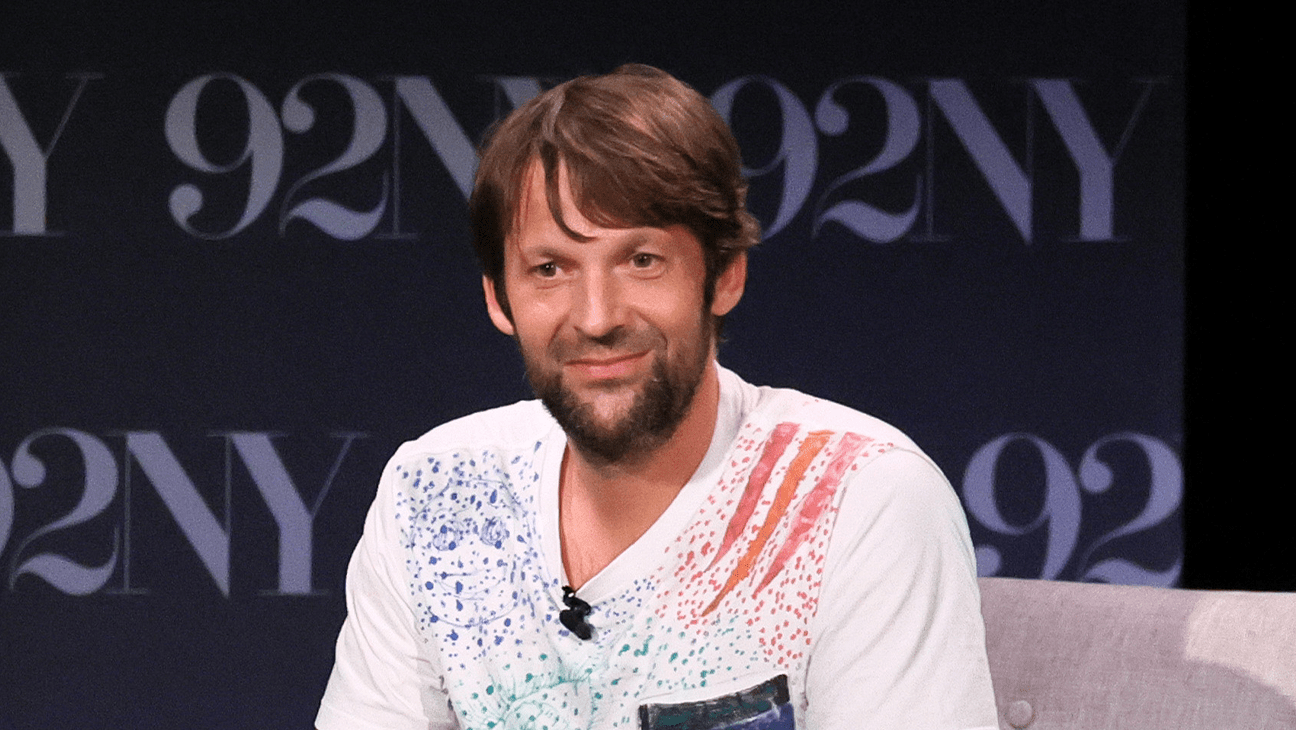


On the eve of its $1,500-per-person Los Angeles pop-up, which starts Mar. 11, Noma — often ranked the world’s top restaurant — has been exposed as a creative institution that built and sustained its reputation on physical and psychological workplace abuse. The New York Times investigation, published Mar. 7, came as no surprise to the fine dining world. Star chef Rene Redzepi’s misconduct had long been an open secret. In fact, he’d himself disclosed more than a decade ago in an essay that he’d “yelled and pushed people” at Noma, explaining, “I’ve been a bully for a large part of my career.”
The revelations detail how Redzepi would assault and degrade employees in the pursuit of his exacting standards. This included punching underlings, striking them with kitchen implements and slamming them against walls — as well as threatening, according to the Times, “to use his influence to get them blacklisted from restaurants around the world, to have their families deported, or to get their wives fired from their jobs at other businesses.” The chef has since apologized.
What’s most telling is how Redzepi enacted a collective punishment theater at his restaurant in Copenhagen, which is known for revolutionizing Nordic cuisine with its emphasis on foraged ingredients and innovative fermentation techniques. His staff was forced to witness degradations against employees he believed had failed him. This complicity ritual — common in gangs, cults and other authoritarian organizations — lessens the likelihood of dissent.
I’ve long covered fine dining for The Hollywood Reporter. Yet Redzepi’s dark dynamic with his mistreated acolytes brings most to mind my experience over the years investigating L.A.’s toxic high-control groups, in which charismatic, visionary leaders — of an acting conservatory, a fitness studio, a personal-growth workshop — have wielded unimaginable power over followers to devastating effect. Like Noma, they’re hermetic subcultures in which dreams of ascension and perfection often instead turn into unintended nightmares.
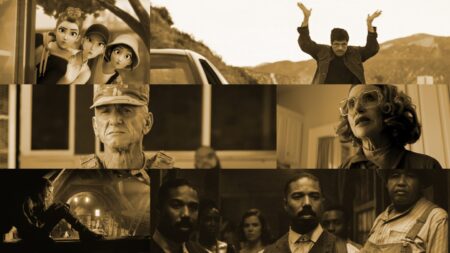
The restaurant industry is known for its normalized cruelty and casual nihilism. Anthony Bourdain wrote multiple bestselling books about it, and FX’s acclaimed The Bear is an exploration of the consequences. But the singular dilemmas of its fine dining realm, with Noma as Exhibit A, are perhaps best understood not within the context of hospitality. Instead, the better analogue is arthouse filmmaking.
Both scenes exploit the desire for — and peril of — prestige. These hothouses draw an inexhaustible supply of idealistic pilgrims who’ve chosen to forego more stable and remunerative career paths in pursuit of the high-wire act that is a meaningful creative life. The vicious crucibles they then encounter are all too often rationalized as just another step along their hero’s journey of sacrifice on the way to hoped-for success. In other words, this makes them easy pickings.
In recent decades, Hollywood has romanticized haute cuisine — its aesthetics, personalities, strictures, ingenuities, excesses — in everything from Bravo’s long-running competition Top Chef and Netflix’s hagiographic Chef’s Table to the satirical but still adoring horror-comedy film The Menu. In each project, there’s an understanding that what sets fine dining apart from all other dining is that it’s a conscious performance. Those tasting menus are the original binge entertainment.
Wolfgang Puck, the industry’s favorite chef, famously pioneered the open kitchen in high-end restaurants nearly a half-century ago at Spago. This act turned diners into spectators within a stage set where the chef is the star.
Several of Redzepi’s employees described how he subverted Noma’s own open kitchen, which was an outward display of masterful technique and mindful professionalism. While they prepared dishes in view of the dining room, he crouched out of sight below the counters, jabbing his charges in the legs.
Redzepi closed the original Denmark location of Noma a few years ago, citing its unsustainable financial model, which relied on the unpaid labor of many of the lowliest of those pilgrims, who’ve now been revealed as abused. Since then, it’d been refashioned as a mobile global brand, propelled by what was until now his exalted public reputation.
It’s unclear whether Redzepi’s misconduct will hurt him and Noma. After all, if nothing else, he’s a nimble performer: virtuoso kitchen genius, community-minded symposium guru, contrite artiste. There are few others in fine dining with his range. Now we’ll see if he can pull off a villain arc.
Read the full article here