






With Chinese New Year approaching, conversations about whether it feels “less festive” or whether it still “feels like Chinese New Year” tend to resurface.
While we take part in the festive celebrations in Singapore, some traditions that once felt common are gradually evolving — or even quietly fading — amid growing awareness of sustainability, technological developments and shifting generational ideologies.
From childhood non-negotiables such as buying brand new clothes to traditional customs such as leaving doors open at certain auspicious hours, here are some disappearing Chinese New Year traditions in Singapore.
1. Gifting new notes
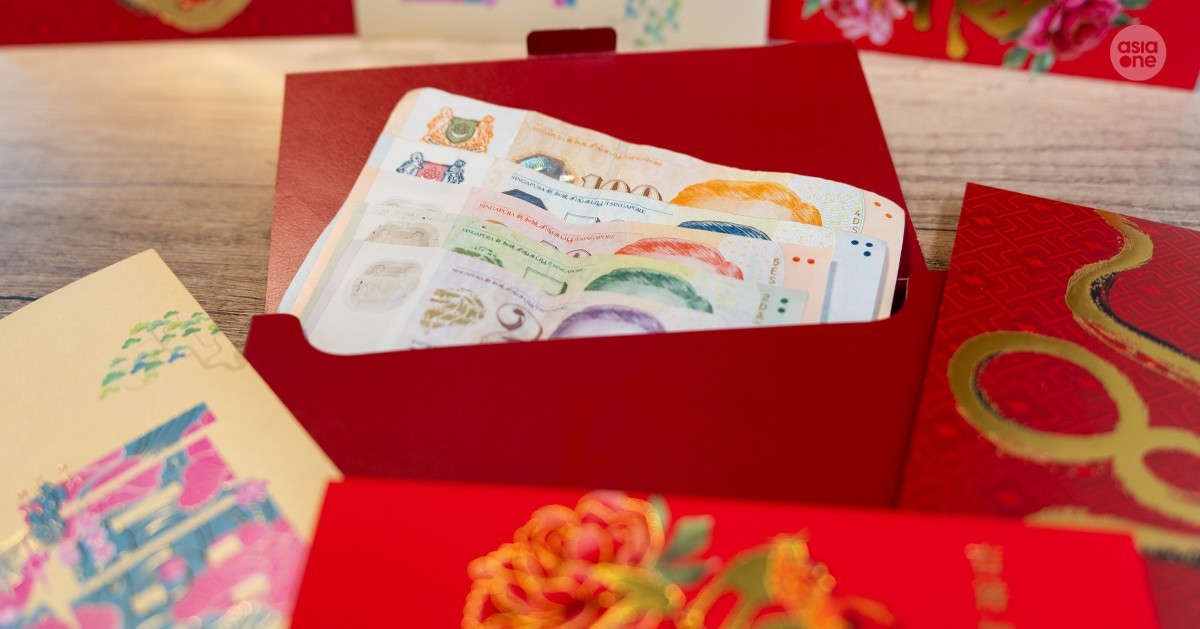
During Chinese New Year, brand-new notes are often gifted in red packets to symbolise fresh beginnings for the new year.
In recent years, however, banks have started to promote the use of “fit notes”, which are clean but used notes, for sustainability. While brand-new notes are available via reservation, they are often limited and in high demand.
2. Physical hong baos
Giving or receiving a red packet with both hands and well-wishes is a key tradition during Chinese New Year — but it seems this practice or gesture is also evolving.
To promote sustainability, the Monetary Authority of Singapore encourages the public to use e-hong baos.
While most of the older generation still use traditional red packets, younger couples are embracing the convenience of the new option — which saves them the trouble of queueing for new notes, buying red packets or carrying cash — especially as Singapore becomes an increasingly cashless society.
3. Shopping for new clothes
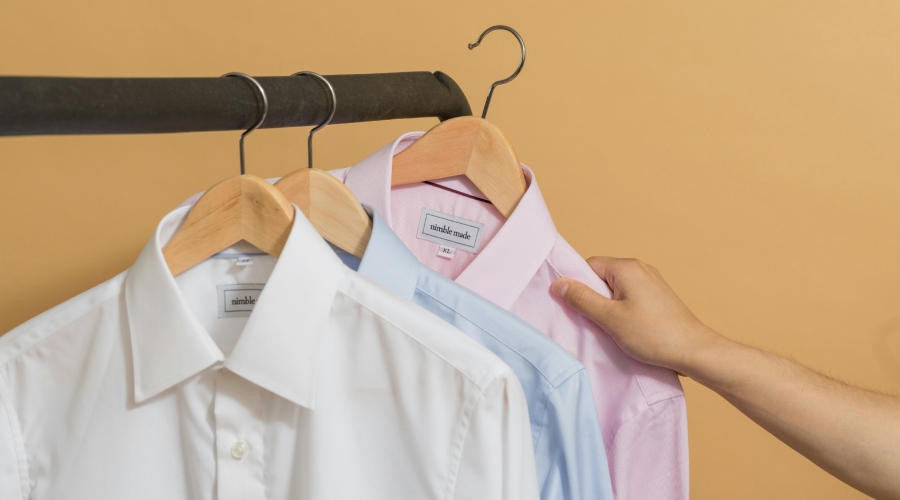

Similar to the ideology behind using new notes, buying and wearing brand new clothes — especially for the first day of Chinese New Year — represents a fresh start.
But as awareness around fast fashion, overconsumption and sustainability rise among the younger Singaporeans, many are beginning to repurpose pieces that are already in their wardrobe or shop at thrift stores for pre-loved clothing.
4. Avoiding dark colours
Dark colours, particularly black, were traditionally avoided during Chinese New Year as they were thought to be “inauspicious”.
While many still opt to dress in bright, vibrant colours such as red, pink, yellow and orange, the taboo on darker shades appears to be softening, with many traditional stores offering black qipaos and cheongsams for Chinese New Year.
5. Day one taboos

It is believed that washing one’s hair, or cleaning or sweeping on the first day of Chinese New Year would “wash away” good luck and prosperity. For years, more traditional families would avoid doing so.
Over time, practicality appears to have outweighed these beliefs, as many households no longer strictly observe these restrictions — especially for younger, working families who may not have time to do spring-cleaning in advance.
6. Observing ‘chi kou’
The third day of Chinese New Year, also known as “chi kou”, was believed to be an inauspicious day where evil spirits roamed and disagreements would arise between families and friends. Thus, it was common practice for traditional families to stay home to “hide” from the bad luck.
These days, the custom is rarely practised, with most offices returning to work on the third day of Chinese New Year. Many people continue to visit family and friends across the first few days of the festivities, due to packed social calendars.
7. Paper cutting
Intricate red paper cuttings — often featuring auspicious Chinese characters and zodiac animals — were once a common sight on windows and doors during Chinese New Year.
They were often handmade and used as decorations to represent blessings, prosperity and good luck.
Today, as younger families are often busy with work and the older generation ages, paper cutting has become less common. While paper-cut decorations are still around, many are manufactured instead of hand-cut.
That being said, the trade still exists, with some young artists — such as PaperXMan — adding their own contemporary twist to the art. His designs include ones incorporated with QR codes, as well as modern designs.
8. Loud decorations
Chinese New Year used to be all about loud, maximalist decorations paired with booming festive songs. While the decorations have not disappeared entirely and can still be found at markets, many younger families are gravitating towards more subtle displays that align with their own aesthetic.
Many boutiques in Singapore are starting to pick up on this and minimalistic Chinese New Year decor ranging from couplets and fortune decals to lanterns and buntings are now widely available.
9. Reunion dinner
The reunion dinner is often described as the most important part of Chinese New Year celebrations, but even this tradition has evolved.
While it’s typically held on Chinese New Year eve and at a parent’s home to represent family unity, more families are opting for restaurant celebrations for convenience — and the dinners aren’t always necessarily held on the same day.
Splitting reunion dinners into multiple days around the festive period is becoming increasingly common to accommodate different schedules and larger families as people prioritise spending time together with loved ones over traditional “rules”.
10. Shopping at festive markets


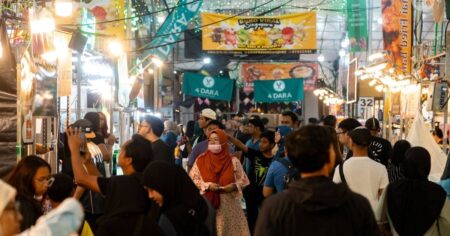
For many, part of the festivities meant heading to Chinatown, neighbourhood markets or pasar malams to stock up on Chinese New Year goodies such as snacks, decorations and ingredients for reunion dinner.
These days, with the popularity of online shopping, families that prioritise time and convenience are opting to have these items delivered straight to their doorstep.
While Chinatown remains lively every year, fewer families are treating the shopping trips as a must-do ritual and more of a leisure activity.
11. Leaving doors open
In some households, families would leave their doors and windows open at an auspicious hour to welcome the God of Wealth.
But as younger generations prioritise practicality and privacy, this tradition appears to have become less common.
[[nid:729330]]
carol.ong@asiaone.com
Read the full article here