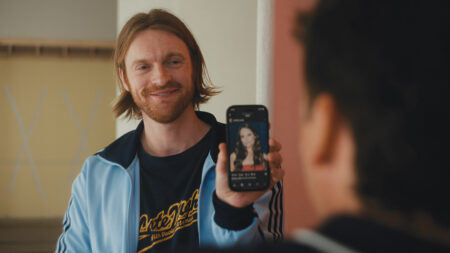





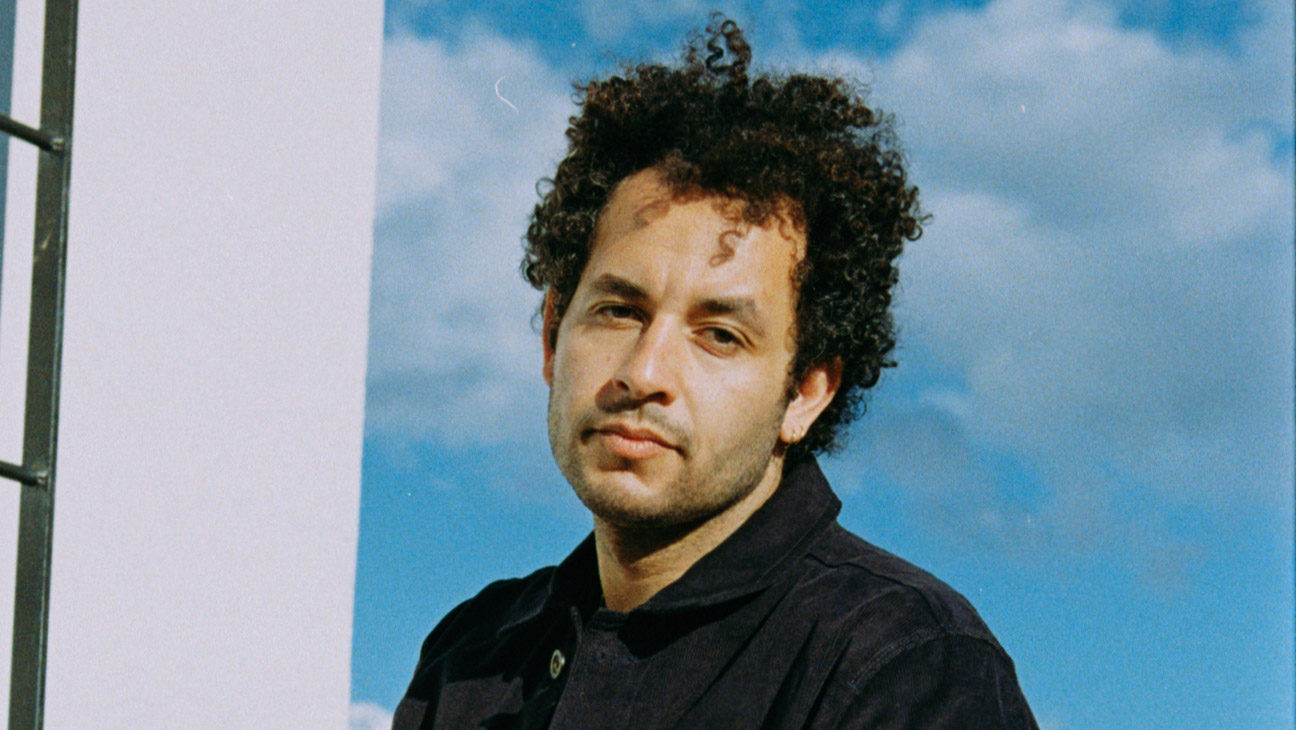


“I used to love arguing as a child and as a young man; I always found that to be my happy place,” Kareem Rahma says with a slightly mischievous smile over Zoom. “I can sit in the middle of an argument and have a conversation about something that I don’t care about for multiple hours simply because it’s fun.”
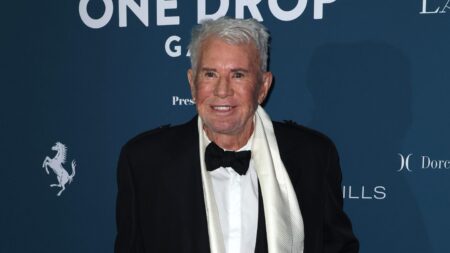
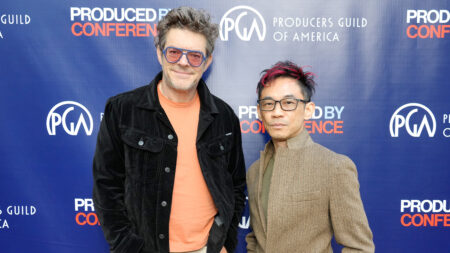
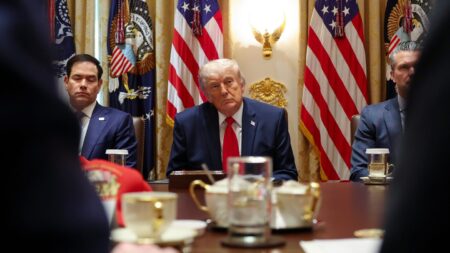
That’s essentially what Rahma’s been doing for the past three years as creator and host of the viral series Subway Takes, in which everyday people — and, increasingly, well-known figures — share their most controversial opinions on everything from social issues to Botox and fillers during a train ride with the Brooklyn resident, who holds a New York City MetroCard clipped to a tiny mic up to their mouths. Before chatting with THR late on a Friday afternoon, he’d filmed 15 episodes earlier in the day with guests who ranged from an independent musician and a podcaster to a climate activist and “an old guy that I met.”
“There’s no [criteria] like, ‘Oh, they have this many followers.’ ‘They’re working on this movie.’ ‘You should meet them because of this thing,’ ” Rahma say of booking guests, which he does personally. “It’s, ‘Do I want to meet this person?’ That’s literally the test.”
The day before, Rahma shot with SNL’s Colin Jost and Hacks star Hannah Einbinder, an indicator of the show’s ever-increasing popularity since its launch in July 2023. The series has 2 million followers on Instagram and 945,000 subscribers on YouTube, with episodes, which are typically around 15 minutes, garnering hundreds of thousands of views — and more than a million in the case of Bill Burr’s take that billionaires, not immigrants, are to blame for low wages and Riz Ahmed’s stance that he should be the next James Bond.
Aside from hiring a bodyguard — just in case — because of his and the guests’ rising profiles, episodes are filmed exactly as they were on day one, from the crew down to the $14,000 worth of camera equipment, including Sony FX3s, Rahma invested in. “I haven’t even gotten new batteries. I bought all of that on a credit card. I said, ‘It’s zero interest for a year. If it doesn’t work out, I can always sell this stuff.’ ”
Even the shooting process is still guerilla-style-meets-man-on-the-street. “It’s a super-small footprint. We get on the train, and sometimes we have to wait for seats to open up. Sometimes there’s a guy sleeping in the corner and I don’t want to disturb him. Sometimes we can’t sit down because it’s too packed, and sometimes the train’s delayed. We don’t get special treatment,” Rahma notes.
Remaining incognito in his day-to-day life isn’t quite as easy these days for Rahma, who built Subway Takes off the success of his first hit TikTok show, Keep the Meter Running, in which he asks New York City cabdrivers to take him to their favorite place. “I feel like the mayor,” he says. “Everyone knows me, and it’s great. I love New York. I only felt like myself when I moved here,” adds the transplant, who was born in Cairo and raised in a small suburb of Minneapolis.
Of acclimating to the Midwest, Rahma says, “The small cultural differences that I noticed that were a really big deal to my parents were not a big deal to me, and it really allowed me to become both a fly on the wall as well as the center of attention. That I could toggle between those two when I felt like it — a very observational person, but then, bang, right in the middle of the thing — is what led me to be a chameleon creatively.”
Now Rahma is hoping that creativity will be recognized by the Television Academy as he submits Subway Takes in the categories of outstanding short form comedy, drama or variety series and outstanding performer in a short form comedy or drama series.
“I submitted for zero Webbys this year and the year before; I’m done with Webbys,” says Rahma. “I’m in the entertainment industry. I’m not a creator, I’m not an influencer, I’m an entertainer. I’m a creator of a show, I’m a producer of a show, I’m a writer of a show, I’m a talent of a show,” he adds, noting that any recognition would be both “an honor” and “a signal that the Emmys doesn’t have their head up their own ass.”
Concludes Rahma: “Awards shows are navigating things and changing, and I think it’s for the better. You can’t put the genie back in the bottle.
This story first appeared in a June stand-alone issue of The Hollywood Reporter magazine. To receive the magazine, click here to subscribe.
Read the full article here