







SINGAPORE – When Ang Beng Hong and his wife began planning the renovation of their new home in February, they did not start with the kitchen or living room.
Instead, they thought about where the morning sun would fall.
Their two indoor cats – a Maine Coon and a domestic shorthair – love basking in the sunlight, so the couple, who do not have children, made sure there would be window perches for them to lounge on.
Working with interior design firm Homescape, they incorporated climbing routes into custom carpentry, created dedicated storage for cat supplies and chose porcelain tiles over vinyl flooring to better withstand frequent cleaning.
“We wanted our new home to naturally accommodate their behaviours, like tracking territory from a height and sunbathing, without making our living room look like a cluttered pet shop,” said Ang, 32.
His approach reflects a growing shift among pet owners in Singapore. As more households welcome pets and increasingly regard them as members of the family, they are also rethinking how their homes are designed.
Global market research firm Euromonitor International expects Singapore’s pet care market to grow 3.5 per cent year on year to $235 million in 2026, while the pet population is projected to increase from 889,200 in 2025 to 891,500 in 2027.
Rather than simply finding space for a dog bed or buying a cat tree after moving in, more home owners are factoring their pets’ daily routines, natural instincts and long-term well-being into renovation plans from the outset.
Interior designers say requests have evolved beyond pet-friendly finishes to layouts that make homes safer, more functional and more comfortable for both humans and animals.
Common requests include integrated feeding stations, hidden storage for food and toys, cat-climbing shelves, pet-washing areas and durable materials that can withstand scratches and frequent cleaning.
For Homescape, which was founded in 2022, between 20 and 25 per cent of its residential clients now mention their pets during the initial design brief.
Homescape co-founder Lim Kean Woei said catering to pets’ needs does not significantly increase renovation costs, but it changes where the money goes to. Customised pet features can start from $5,000 on top of the renovation, depending on how extensive the integration is.
But designers say the latest wave of pet-centric renovations is about more than creating attractive spaces. Increasingly, home owners are making requests based on how their pets move through a home, where they prefer to rest and whether the layout supports their natural behaviours.
Lim shared an example of how he incorporated an animal’s movements into a home environment. His clients had given up on the idea of a kitchen island, as they were concerned their dog’s roaming space would be restricted. Homescape proposed a custom island engineered with a hollow pass-through passage at the base.
“This preserved the kitchen’s functionality for the owners while keeping the floor plan completely open, giving the dog an unobstructed traffic route to roam freely,” said Lim.
Animal clients
Sometimes, a pet can become an “unofficial client”. Lim recalled a site visit where his client’s cat spent the entire session by a bay window, watching the view outside.
“Our initial plan was to build a floor-to-ceiling storage cabinet across that exact wall. Seeing how critical that sun-trap view was to the cat’s daily routine, the owners immediately chose to alter the layout,” he said.
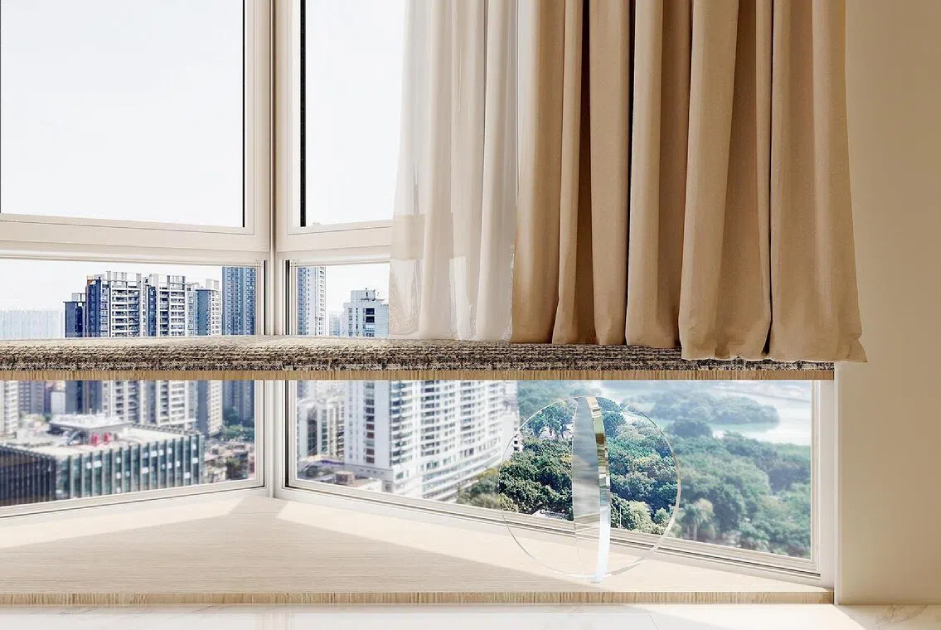

In the end, Homescape pivoted the design to engineer a low-slung, floating credenza that kept the cat’s favourite sunbathing spot while shifting the main storage components elsewhere.
The growing attention to a pet’s needs in home renovations has created a niche for specialist firms.
When Taf Huang, 41, was planning the renovations for her home in 2025, she expected an interior designer to understand the needs of her dog Kumo, a West Highland terrier. Instead, she found herself repeatedly explaining Kumo’s routines and mobility needs.
“Most of the advice was incredibly basic,” she said. “In the end, we had to design the layout ourselves and micromanage the renovation.”
The experience prompted Huang and her business partner, both pet owners, to launch Kinoko Spaces in 2025, focusing on pet-integrated interior design for both residential and commercial spaces.
“We realised there was a massive gap in the market,” said Huang. “With pet ownership shooting up over the last few years, there must be plenty of other pet parents facing the same struggles.”
She admitted that they were not sure if their niche focus would take off, but Huang said 80 per cent of their clients are pet owners.
Instead of beginning with colour palettes and finishes, the firm starts by understanding a pet’s daily routines, movement patterns, hygiene needs, safety considerations and even orthopaedic health before proposing a design.
One home owner with two dachshunds specifically sought out Kinoko Spaces because she wanted a designer who understood the reality of living with pets. Her renovation, which was completed earlier in 2026, included a dedicated dog shower sink for post-walk clean-ups, so caring for her dogs became part of the home’s everyday flow rather than an afterthought.
For a couple with multiple pets – two Pomskies, four ginger cats and a betta fish – Kinoko Spaces approached the home as an integrated ecosystem, as each occupant, both human and animal, has different needs.
What the team did was to consider movement flows and incorporate functional items like rest areas and ample hidden storage. Specific materials were chosen to facilitate easy cleaning of shed fur, while invisible grilles were installed to prevent the cats from falling off the balcony and windows. They also included waterproof door frames and doors, and incorporated three litter boxes into the design around the house.
Other client requests, said Huang, included secure “catios” on balconies for indoor cats, dedicated feeding stations, hidden storage for bulky equipment such as dog prams, and a doggy door connecting the bedroom to the balcony so the dogs can let themselves out at night.
Planning for pets from the beginning can actually save money because home owners can avoid buying unsuitable pet furniture later, or having to redo parts of the house, said Huang, adding that they design within clients’ budgets. For example, if someone wants a built-in dog shower, they might recommend cutting back on custom carpentry elsewhere.
But while such features may appeal to owners, veterinarians caution that the best pet-friendly homes are not necessarily the ones with the most elaborate customisations.


Design practicality and pet safety
Emmanuelle Titeux, a board-certified specialist in behavioural medicine at Beecroft Specialist and Emergency Hospital, said good home design should allow pets to express their natural behaviours.
Cats, for example, benefit from elevated spaces where they can observe their surroundings, multiple quiet sleeping areas where they can rest undisturbed and opportunities to climb.
Not every popular design trend is beneficial.
Concealing litter boxes inside cabinetry may create a cleaner aesthetic, but enclosed spaces trap ammonia and reduce ventilation, making cats reluctant to use them and potentially causing respiratory irritation, said Titeux.
Likewise, slippery flooring such as untextured tiles or marble can make it difficult for ageing pets or those with joint conditions to move around safely. Older pets need non-slip flooring, such as textured vinyls or matte-finish porcelain tile, ramps and easy access to resting places.
Moreover, home owners should be mindful when choosing decorative plants.
Stephanie Johnnides, a board-certified specialist in emergency and critical care at Beecroft Specialist and Emergency Hospital, warned that many popular ornamental plants can be toxic to pets.
Lilies can cause acute kidney failure in cats, while sago palms may trigger fatal liver failure in dogs. Even common houseplants, such as pothos and philodendrons, can cause mouth irritation and vomiting if chewed.
Ultimately, experts noted that designing a home around pets is less about following trends than understanding how animals experience the spaces they live in.
For Ang, the biggest lesson from renovating was not discovering the latest pet furniture or home trend. It was learning to see his home through his cats’ eyes.
“Before, we thought about what looked good,” he said. “Now we think about how they live. If the home works for them, then it works for us too.”
[[nid:737879]]
Read the full article here