






When broadcaster George Stroumboulopoulos took the stage at the recent Canadian Screen Awards, he had a message for a nationwide TV audience. “When our identities are under attack, [our culture] matters more than ever,” the veteran host and podcaster declared. “Because a country that doesn’t tell its own stories in its own way is just a market for someone else, and we’re better than that.”
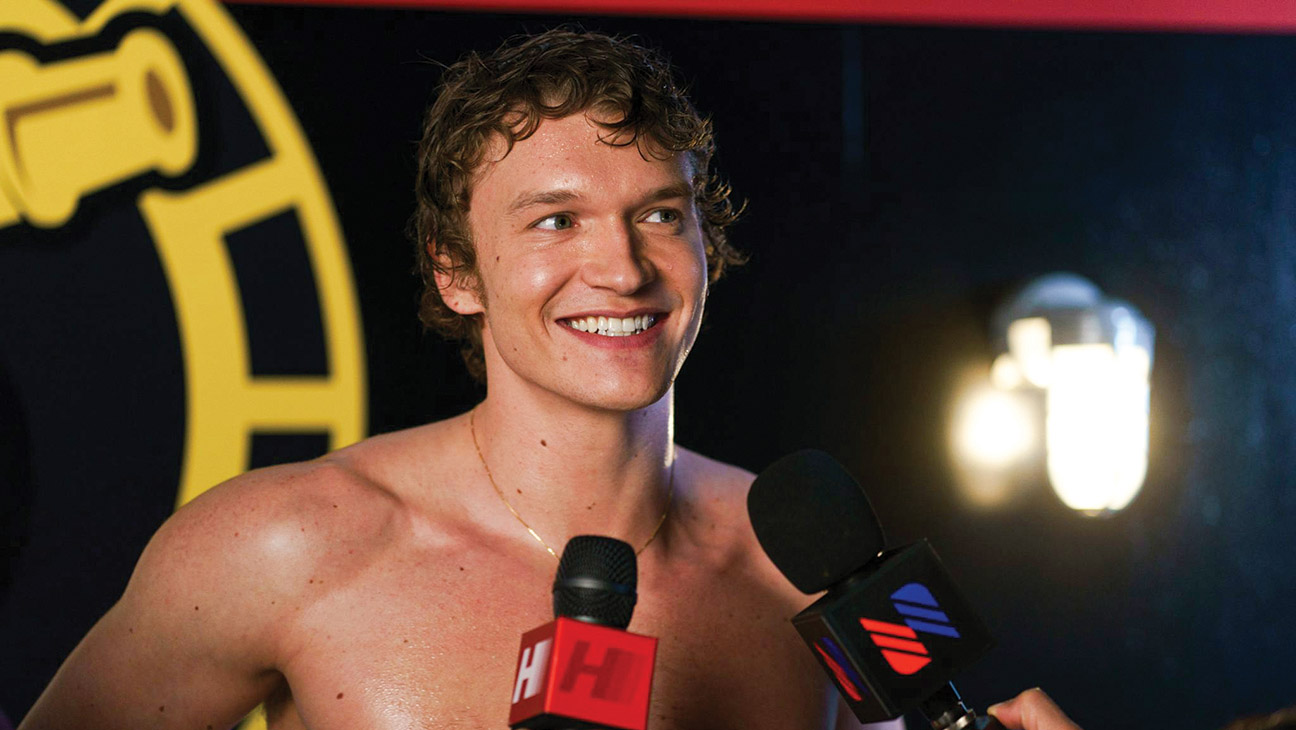
The stakes behind that sentiment — cultural sovereignty in the age of Donald Trump’s annexation threats — will be very much in the air at the Banff World Media Festival when it convenes June 14 to 17 in Alberta’s Rocky Mountains. And one homegrown success story likely will draw the loudest applause: Heated Rivalry, the Canadian gay hockey drama that became an unlikely global hit on HBO Max.
“Heated Rivalry has skyrocketed Canada and Canadian entertainment into the highest echelons of audiences and fandom worldwide, and that’s a great thing,” says Jenn Kuzmyk, Banff’s executive director. But the festival’s broader conversation will push past any single title toward the question animating the entire global content industry right now: How do you tell stories rooted in local culture while building the kind of international audience that Heated Rivalry found?
“All the lines are blurring now,” Kuzmyk argues, as content producers everywhere try to satisfy audiences at home while following the money to premium streamers abroad.
Kuzmyk points to the Vancouver-shot Backrooms, the horror film from YouTuber turned director Kane Parsons, and Curry Barker’s Obsession as recent examples of online creators crossing over into theatrical hits. “There’s partnerships happening with all of the Canadian broadcasters and media companies and YouTube, back and forth,” she says. “We’re going to see more things happen on YouTube, and it’s going to be less siloed as we see more crossover and content being launched on YouTube or TikTok and then having a different life on other platforms.”
Dealmaking at this year’s Banff may be just as important as the panel discussions. Spain, tapped as the festival’s Country of Honor for 2026, is sending a delegation of producers and industry executives to the Rockies in search of international co-productions — part of a broader expansion of Spain as a production hub for global studios and streamers. “[They want] global hits, which don’t happen in isolation,” says Kuzmyk. “So they are looking for partnerships, both incoming and outgoing, as they’re looking to do content deals, co-production and distribution deals, and infrastructure deals to invest in studios for the audiovisual industry in Spain.”
Keynote speakers reflect the festival’s international ambitions. Jesse Armstrong, the British screenwriter behind HBO’s Succession, will appear alongside Georgie Holt, CEO of podcasting-focused media company FlightStory, and Jinny Howe, Netflix’s head of U.S. and Canada scripted series, whose credits include Bridgerton and The Night Agent.
For all the industry anxiety, Kuzmyk hasn’t lost sight of the most basic fact: She has a festival to put on. “I’m always ever the optimist,” she says. “You can’t put on an event in the most beautiful place in the world, in a castle, and pretend you’re doing anything other than something delightful.”
This story appeared in the June 10 issue of The Hollywood Reporter magazine. Click here to subscribe.
Read the full article here