




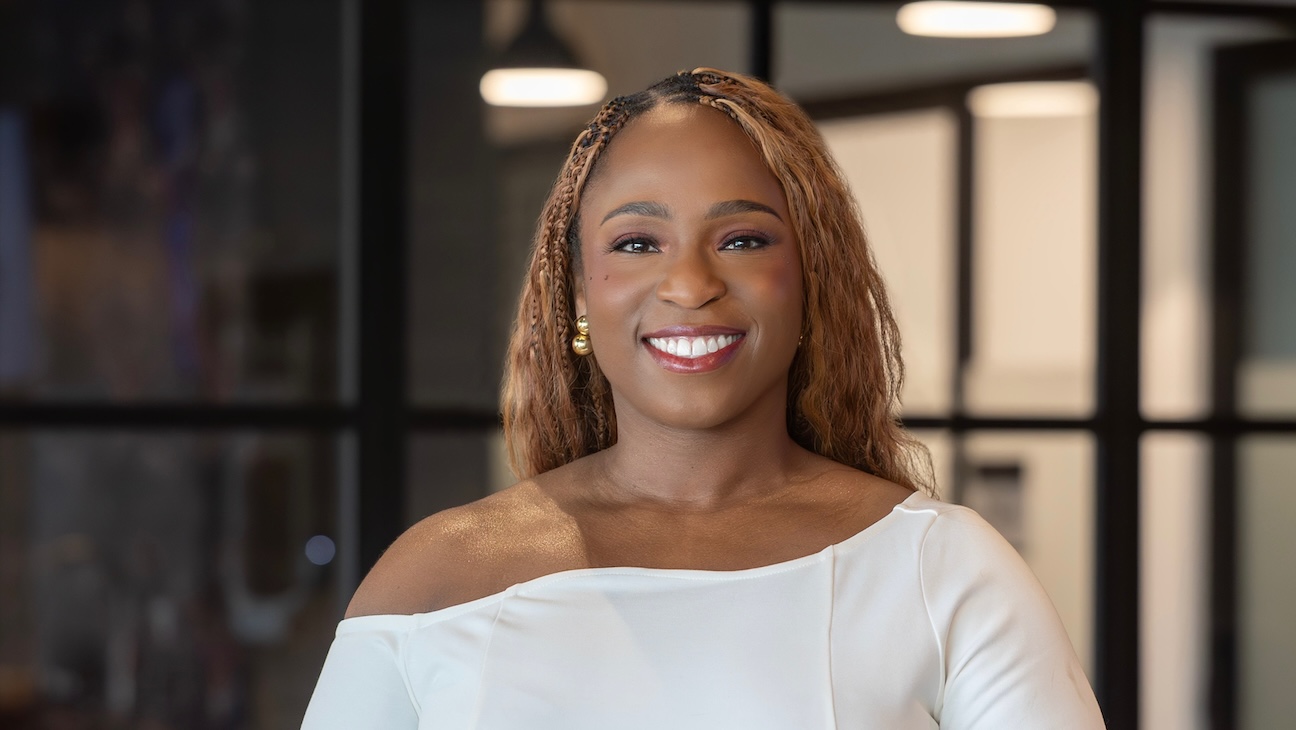


Akunna Cook’s Next Narrative Africa Fund has spent the past year making the case that African storytelling is a serious global market that the entertainment industry has consistently underestimated. Now the organization has some numbers to back up its pitch.
NNAF released a new report Thursday, produced in partnership with Parrot Analytics, finding that global demand for African and diasporan film and television has outpaced supply over the past five years — and that the imbalance is especially pronounced in non-English-language titles and several of the commercial genres that drive streaming demand.
Titled “From Influence to Investible: Quantifying Global Demand, Travelability & Investment Opportunity,” the study measures digitally expressed demand for African and diasporan content from 2020 through 2025. Its core takeaway is that African storytelling is not simply a cultural niche or an opportunity to boost representation, but a structurally underexploited growth category for the global entertainment sector.
The researchers found that non-English-language African stories account for 28 percent of audience demand within the cohort tracked by the study, but just 16 percent of available supply — “a clear structural gap within the global streaming ecosystem,” according to the authors.
The report also pushes back on the common industry assumption that African screen stories seldom travel far beyond their home markets. The United States is the single largest market for African and diasporan content, accounting for 8.5 percent of global demand, but the top consuming territories span four continents and include Great Britain, South Africa, Canada, France, Brazil and China. Belgium and Portugal emerge as especially strong over-indexing markets, which the study attributes to the role of African diaspora communities as early discovery engines. In the Caribbean, Eastern Africa and Southern Africa, meanwhile, African and diasporan stories account for more than 60 percent of demand relative to the other major global import cohorts tracked in the report.
The study also explores how African content crosses over. It identifies Black American women as the “bridge audience” for Black-led storytelling, consuming such content at roughly six times the rate of the U.S. general population — making them, in the report’s framing, the single most predictive audience segment for crossover success. Black American men, meanwhile, are described as playing a complementary role as early adopters of non-English-language African content, helping titles move beyond the diaspora.
Cook, a former U.S. Foreign Service officer who served in China, South Africa and Baghdad before working on Africa policy in the Biden administration, launched NNAF in 2024 as a $50 million hybrid vehicle combining $40 million in commercial equity with a $10 million nonprofit venture studio. The fund’s first slate was unveiled in March, drawn from more than 2,000 submissions across 80 countries.
In a recent interview with The Hollywood Reporter, Cook argued that Hollywood’s top decision-makers — “the Neons and A24s and the Disneys and the Lionsgates” — should already be thinking seriously about their Africa strategy, given the continent’s cultural influence and enviable demographic profile, with more than 60 percent of Africans under 25.
The report’s authors acknowledge that digitally expressed demand is not the same thing as box office returns, licensing fees or audited financial performance. But Cook’s broader pitch to content investors and studios is clear enough: a global audience for African content already exists, cultural momentum around African music and storytelling continues to build, and the industry’s current output falls far short of demand.
Read the full article here